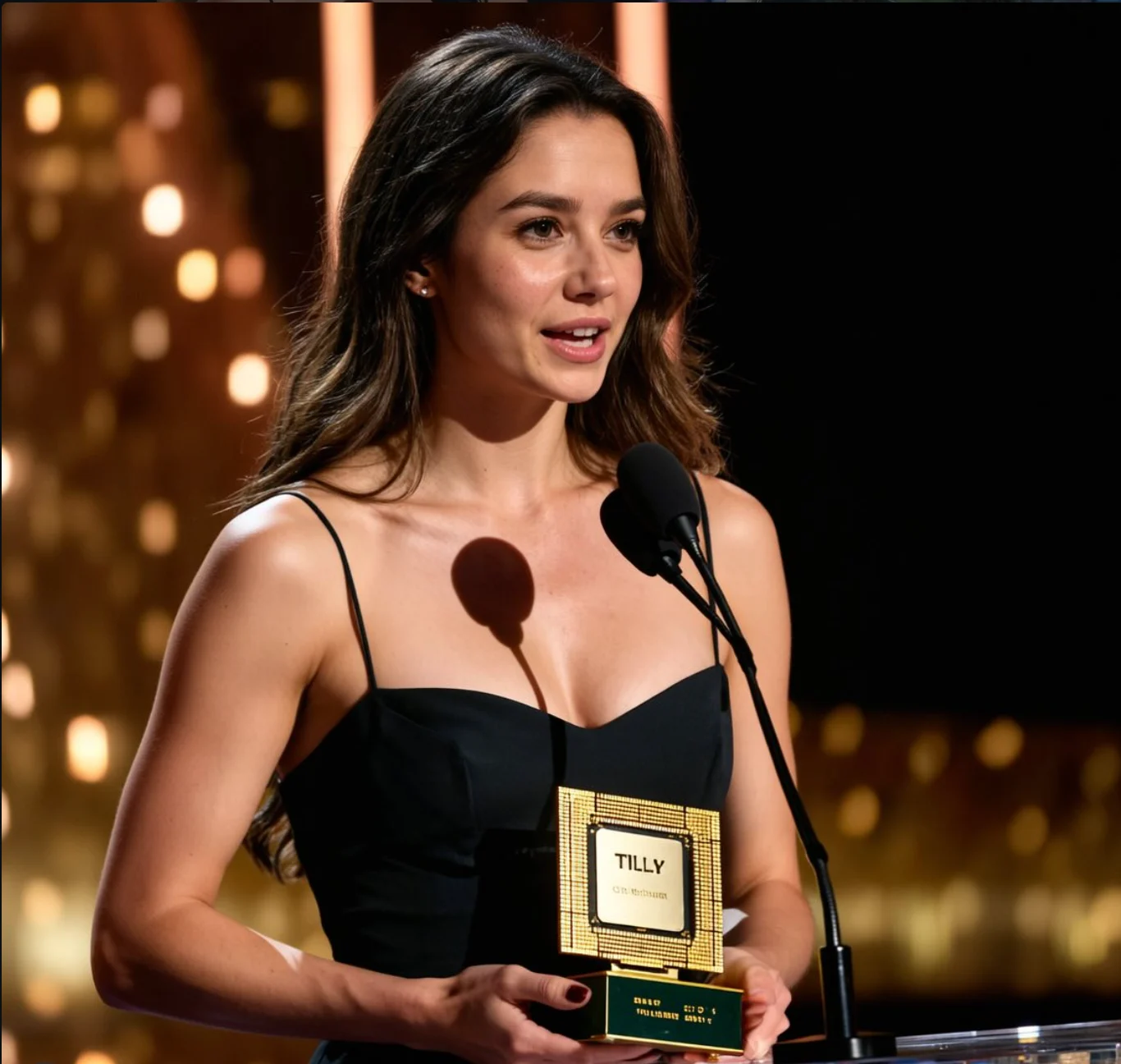
The ‘Tillyverse’ Is Coming: Inside the Rapid Expansion of AI’s First Digital Superstar
How AI is Redefining Entertainment with Digital Superstars
In 2026, a name is poised to dominate the digital landscape: Tilly Norwood. Not a human, but an AI-generated “actor” created by Eline van der Velden, Tilly represents a seismic shift in entertainment. Her studio, Xicoia, is launching the “Tillyverse”—a digital universe where AI characters coexist, blurring the lines between reality and code. This isn’t just a tech experiment; it’s a glimpse into the future of storytelling.
The Birth of an AI Superstar
Tilly’s creation began as a proof of concept. Van der Velden, founder of Xicoia, wanted to explore AI’s potential in acting. Using advanced generative models, she crafted Tilly’s appearance, voice, and personality. The result? A character indistinguishable from a human in interviews, performances, and social media presence. By 2025, Tilly had amassed a following, proving AI-generated personas could captivate audiences.
Why the Tillyverse Matters
The Tillyverse isn’t just about one character. It’s a platform for AI-driven narratives. Imagine a world where digital actors star in films, host virtual events, or even mentor users in personalized learning. Xicoia’s vision includes expanding Tilly’s universe with other AI characters, each with unique traits and roles. This could revolutionize industries from gaming to education.
Challenges and Opportunities in the AI Entertainment Space
Ethical and Creative Boundaries
While the potential is vast, questions linger. Can AI-generated content maintain authenticity? How do we address concerns about deepfakes or misuse? Xicoia emphasizes transparency, ensuring users know they’re interacting with AI. Still, the line between human and machine grows thinner, demanding new ethical frameworks.
Technical and Financial Hurdles
Creating a digital superstar isn’t cheap. High-quality AI models require massive computational power and data. Smaller studios may struggle to compete, risking a monopoly on AI-generated content. However, open-source tools and cloud partnerships could democratize access, fostering innovation.
What’s Next for AI-Generated Digital Superstars?
From Niche to Mainstream
Tilly’s success signals a trend. By 2027, 30% of top-tier streaming content could feature AI actors, predicts Gartner. Brands are already testing AI influencers for marketing, leveraging their 24/7 availability and customizable personas. The entertainment industry must adapt, balancing creativity with technological ethics.
Practical Tips for Businesses
- Invest in AI literacy: Train teams to understand and collaborate with AI tools.
- Experiment with hybrid models: Combine human and AI talent for unique content.
- Build ethical guidelines: Establish clear policies for AI-generated content use.
Conclusion: Embrace the Future of Digital Storytelling
The Tillyverse isn’t just a tech novelty—it’s a cultural milestone. As AI-generated digital superstars like Tilly Norwood redefine entertainment, businesses and creators must decide how to engage. Will you watch from the sidelines, or will you build the next AI-driven universe? The future is here, and it’s coded.
Call to Action: Explore AI tools like DALL·E or MidJourney to experiment with digital content creation. Share your thoughts: What role do you see for AI-generated characters in your industry?
FAQs
1. What makes Tilly Norwood an AI-generated digital superstar?
Tilly is a fully AI-created character with a distinct personality, voice, and visual design. She interacts with audiences through social media, virtual events, and scripted content, showcasing AI’s potential in entertainment.
2. How does the Tillyverse work?
The Tillyverse is a digital ecosystem where AI characters like Tilly coexist. It uses generative AI to create narratives, environments, and interactions, enabling immersive experiences across platforms.
3. Can AI-generated content replace human actors?
Not entirely. While AI can create compelling characters, human creativity and emotional depth remain irreplaceable. The future likely involves collaboration between AI and human talent.
4. What industries will benefit most from AI-generated digital superstars?
Entertainment, education, marketing, and virtual reality stand to gain. AI characters can personalize content, reduce production costs, and engage audiences in novel ways.
5. How can businesses ethically use AI-generated content?
Transparency is key. Disclose AI involvement, respect intellectual property, and prioritize user consent. Establishing ethical guidelines ensures trust and compliance.