The Rise of Anti-AI Protests: Understanding the Concerns
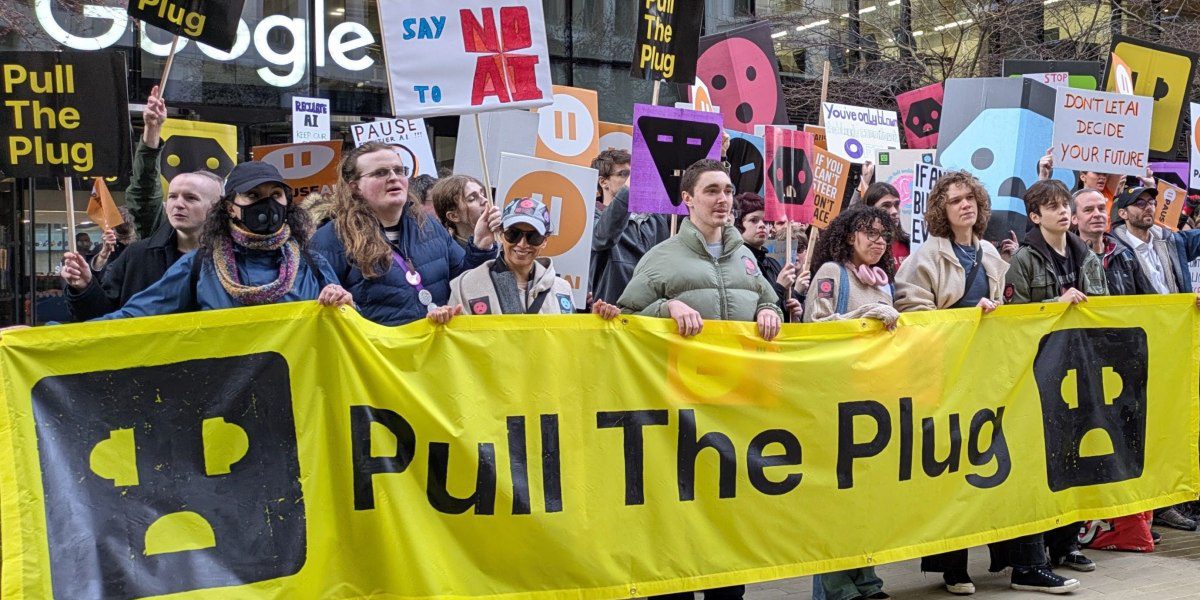
A recent anti-AI protest in London’s King’s Cross tech hub drew hundreds of people, all warning against the potential harms of artificial intelligence. The march, organized by Pause AI and Pull the Plug, highlighted a range of concerns, from online abuse to killer robots and human extinction.
What’s Driving the Anti-AI Movement?
The anti-AI movement is driven by concerns over the potential dangers of AI, including job displacement, biased decision-making, and the risk of superintelligence. Researchers have long called out these harms, but now protest movements are taking to the streets to raise awareness.
For example, Joseph Miller, head of Pause AI’s UK branch, believes that AI may forever be beyond our control, leading to catastrophic consequences. Meanwhile, Matilda da Rui, a member of Pause AI, thinks that AI is the last problem humans will face, and that it will either solve all our problems or wipe us out.
Key Concerns and Demands
Protesters are calling for government regulation and greater awareness of the issues surrounding AI. They want to slow down the development of AI and create protection for whistleblowers. Some also advocate for making it illegal for companies to profit from AI.
However, most people agree that technology companies are unlikely to take notice of these protests. Instead, the goal is to use publicity to push for government regulation and raise awareness among the general public.
Ultimately, the anti-AI movement is about raising concerns and sparking a conversation about the potential dangers of AI. As one protester noted, it’s hard to oppose the cause, and many people are willing to listen and learn more.