Introduction: The High T Movement Gains Momentum
Mark Holman’s journey from a disengaged air quality engineer to a “High T stud” mirrors a growing trend. In 2021, after testing his testosterone at 622 ng/dL—a healthy but not exceptional level—he embarked on a mission to boost his “T.” By 2025, his levels had doubled to 1,104 ng/dL, straining the natural limit. His story isn’t unique. Across the U.S., men are fixated on “High T,” swapping test results like gym stats and chasing testosterone-boosting diets, supplements, and therapies. But what drives this obsession, and what are the risks?
Why High T Is Trending: The Manosphere’s Influence
From Joe Rogan to TRT Clinics
The manosphere—a network of online communities and influencers—has turned testosterone into a cultural currency. Joe Rogan, Robert F. Kennedy Jr., and even Donald Trump’s 2016 TRT levels (441 ng/dL) have amplified the narrative that “High T” equals vitality, masculinity, and success. Telehealth startups now market TRT as a “spark” for men’s lives, while social media algorithms loop content urging men to “be the hero of your story.”
Numbers as Status Symbols
Men in some circles test their testosterone every six months, comparing results in group chats and locker rooms. For Holman, the shift was transformative: “Feeling the difference was night and day.” But this fixation risks pathologizing healthy levels. As urologist Mohit Khera notes, “Testosterone levels naturally fluctuate. Obsessing over numbers can lead to unnecessary interventions.”
How Men Are Boosting Their T: Natural vs. Synthetic
Diet, Supplements, and Iron
“T-maxxing” often starts with diet. Holman’s regimen included eggs, red meat, and “testosterone-boosting” supplements like fenugreek and zinc. Others turn to boron, tongkat ali, or pine pollen. Gyms remain central: “Pumping iron increases luteinizing hormone, which signals the testes to produce more T,” explains endocrinologist Adrian Dobs.
The TRT Debate
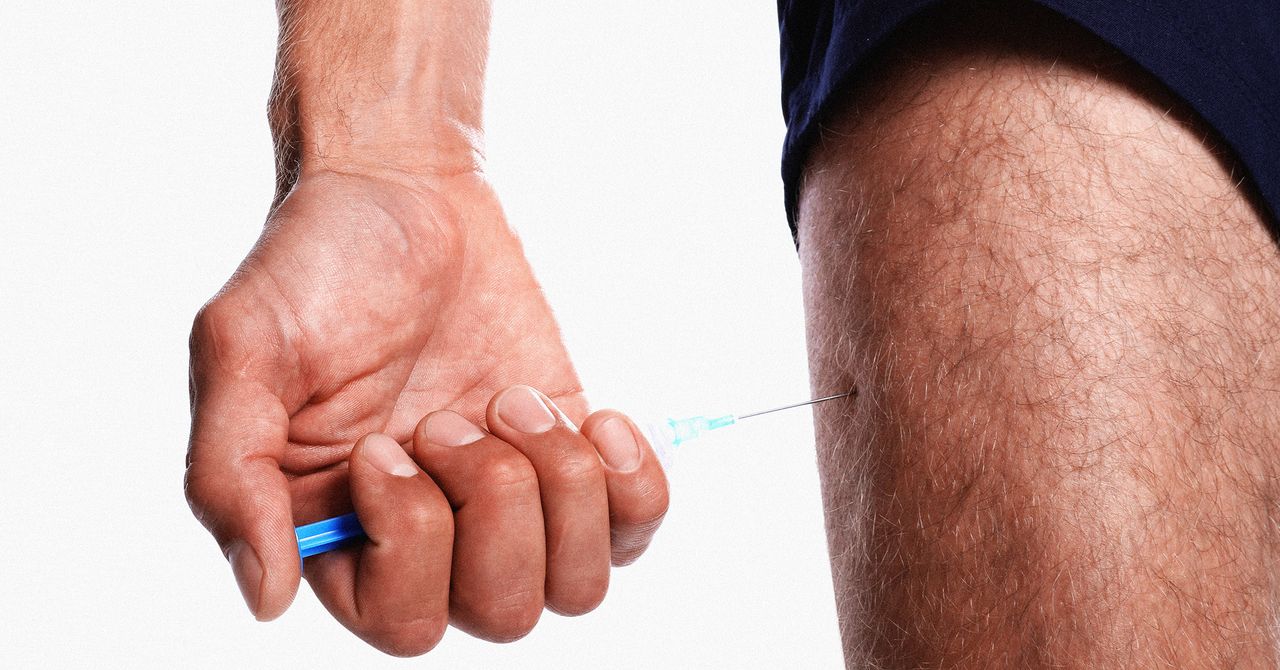
Testosterone replacement therapy (TRT) is the synthetic shortcut. In 2024, over 11 million U.S. men received TRT prescriptions—up from 7.3 million in 2019. Clinics promise “renewed vitality,” but experts caution: TRT suppresses natural production, risks infertility, and can cause side effects like baldness and mood swings. Neuroscientist Andrew Huberman’s viral claim that testosterone “makes effort feel good” has further fueled demand.
Health Risks and the Science Behind High T
What the Data Says
While TRT can help men with clinically low T, the line between treatment and obsession blurs. A 2023 study found that over 30% of men over 45 have suboptimal levels, but experts link declining T to obesity, poor sleep, and sedentary lifestyles—not a “crisis.” Excessive TRT or steroids can push levels beyond 3,000 ng/dL, risking “roid rage” and cardiovascular strain.
Psychological and Physical Trade-Offs
Men like Gareth Hoernel credit TRT with saving their lives, citing restored libido and focus. Yet long-term use can shrink testicles and disrupt fertility. As Dobs warns, “TRT isn’t a magic pill. It’s a tool that requires careful management.” Meanwhile, the cultural push to “out-compete” other men for High T risks turning healthy competition into unhealthy fixation.
High T and the Broader Cultural Shift
From “Male Menopause” to Political Symbolism
TRT’s rise began in the 1990s as a solution for aging men’s “male menopause.” Today, it’s politicized. Trump supporters claim liberalism correlates with low T, while Tucker Carlson’s 2022 documentary The End of Men blamed societal ills on declining testosterone. Even Jeffrey Epstein’s low T levels became a talking point for Holman: “You can’t trust a man with low testosterone,” he claimed in an Instagram reel.
The Future of High T
As the FDA’s Marty Makary declares testosterone “central to men’s health,” the High T movement shows no signs of slowing. But experts urge caution. “Testosterone is complex,” says Khera. “It’s not just about numbers—it’s about balance.” For men like Holman, the pursuit of High T is a lifestyle. For others, it’s a cautionary tale of how science, culture, and marketing can collide.
Conclusion: Is High T a Boon or a Bubble?
The High T phenomenon reflects a cultural yearning for vitality in a world of declining testosterone levels. While natural methods like diet and exercise are safe, the rush to TRT and supplements risks overcorrection. As Holman’s journey shows, the line between empowerment and obsession is thin. For men considering T-maxxing, the key is balance: consult experts, avoid algorithmic hype, and remember that health is more than a number.
Ready to explore your testosterone health? Consult a licensed healthcare provider before starting any TRT or supplement regimen. Prioritize holistic wellness over chasing numbers.