Introduction to the US Battery Boom
Despite Donald Trump’s unrelenting attacks on renewable energy, there’s a quiet revolution happening on US grids. The year has seen a significant surge in the adoption and integration of battery storage technology, marking a pivotal moment in the country’s transition towards cleaner, more sustainable energy solutions.
Battery Storage: A Game Changer
Battery storage has emerged as a critical component in the renewable energy ecosystem, enabling the efficient storage of excess energy generated by solar and wind power. This capability addresses one of the longstanding challenges associated with renewable energy sources: intermittency. By storing energy for later use, batteries help stabilize the grid, ensuring a consistent and reliable supply of electricity.
Drivers of the Battery Boom
The battery boom in the US can be attributed to several key factors. Firstly, declining costs have made battery storage more economically viable, encouraging widespread adoption. Secondly, advancements in technology have improved the efficiency and lifespan of batteries, enhancing their overall value proposition. Lastly, supportive policies and incentives at both federal and state levels have played a crucial role in fostering a conducive environment for the growth of the battery storage industry.
Impact on Renewable Energy
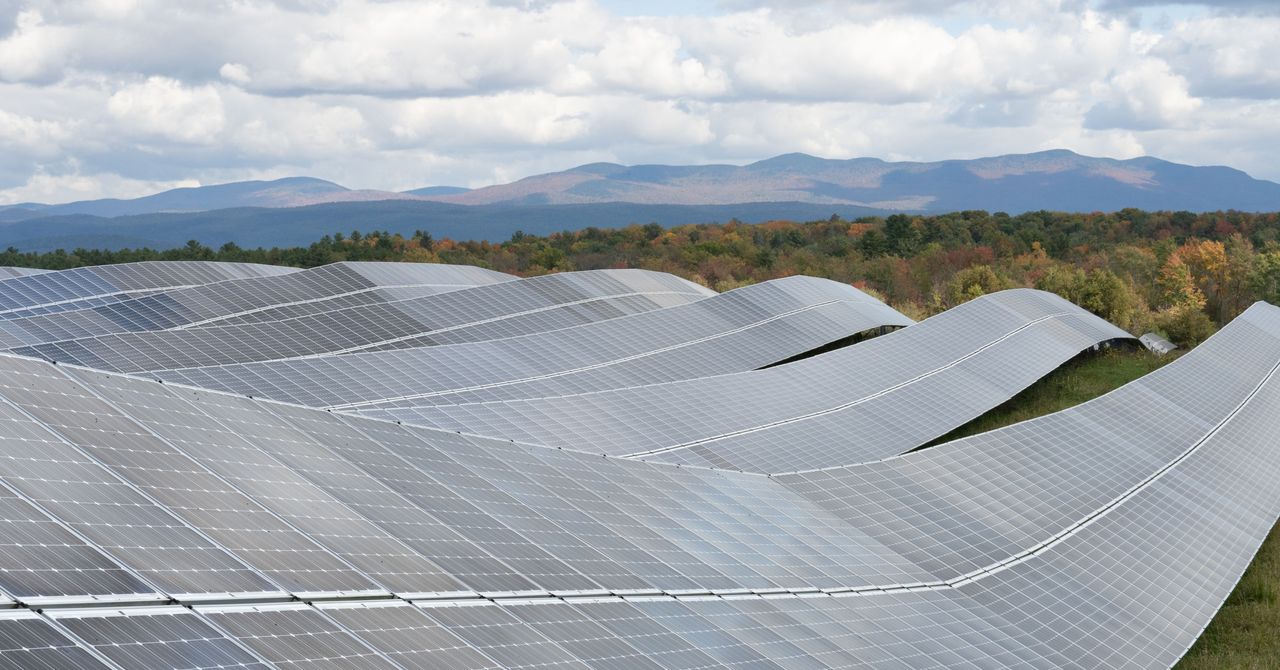
The integration of battery storage with renewable energy sources is revolutionizing the way electricity is generated, stored, and consumed in the US. By mitigating the intermittency issue, batteries are helping to increase the share of solar and wind power in the energy mix, contributing to a reduction in greenhouse gas emissions and dependence on fossil fuels. This synergy is pivotal for achieving the country’s climate and energy goals.
Future Outlook
As the US continues on its path towards a more sustainable energy future, the role of battery storage is expected to become even more pronounced. With ongoing innovations and investments in the sector, the cost of battery technology is anticipated to decrease further, making it an even more attractive option for both residential and commercial applications. Moreover, the development of new business models and services centered around battery storage will likely emerge, offering consumers greater flexibility and choice in how they manage their energy needs.