Introduction to a Pioneer’s Vision
Meanwhile, as the world grapples with the challenges of sustainable energy, it’s interesting to look back at the predictions of Charles Proteus Steinmetz, a pioneer in the field of electrical engineering. For example, Steinmetz envisioned a future where electric vehicles (EVs) would dominate the roads. Additionally, his prediction of 1 million EVs on U.S. roads by 1924 was remarkably ahead of its time.
The Early Days of Electric Vehicles
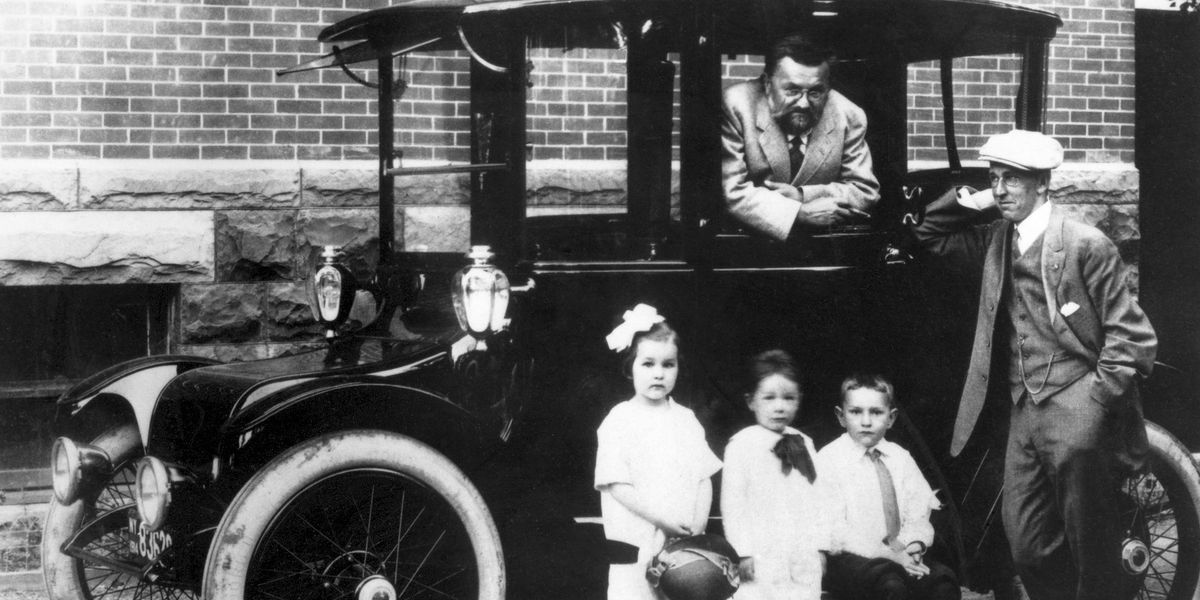
However, Steinmetz’s belief in the potential of EVs was not just a fleeting thought. He was a strong advocate for the technology and even owned a Detroit Electric sedan. Furthermore, his work in the field of electrical engineering laid the foundation for the development of modern EVs. Therefore, it’s essential to understand the historical context of Steinmetz’s prediction and how it relates to the current state of the EV industry.
The Impact of Steinmetz’s Work
Meanwhile, Steinmetz’s contributions to the field of electrical engineering cannot be overstated. He made significant advancements in the development of alternating current (AC) systems, which are still used today. Additionally, his work on the theory of electrical transients helped to improve the efficiency and reliability of electrical power systems. For instance, his research on the subject led to the development of more efficient electrical motors, which are a crucial component of modern EVs.
The Future of Electric Vehicles
However, despite Steinmetz’s early prediction, the widespread adoption of EVs took much longer than expected. Nevertheless, the industry has experienced significant growth in recent years, with many countries investing heavily in EV infrastructure. Furthermore, the development of more efficient and affordable battery technologies has made EVs a viable option for many consumers. Therefore, it’s essential to consider the current trends and challenges facing the EV industry and how they relate to Steinmetz’s original prediction.
Challenges and Opportunities
Meanwhile, one of the significant challenges facing the EV industry is the need for widespread adoption of charging infrastructure. However, this challenge also presents an opportunity for innovation and investment. For example, companies are developing new charging technologies that can charge EVs quickly and efficiently. Additionally, governments are implementing policies to encourage the adoption of EVs, such as tax incentives and investment in charging infrastructure.
Finally, as we look to the future of transportation, it’s clear that Steinmetz’s prediction was not just a pipe dream. The EV industry is growing rapidly, and it’s likely that we will see significant advancements in the coming years. Therefore, it’s essential to consider the lessons of the past and how they can inform our decisions about the future of transportation.
Conclusion
In conclusion, Charles Proteus Steinmetz’s prediction of 1 million EVs on U.S. roads by 1924 may have been 100 years ahead of its time, but it highlights the importance of innovation and forward thinking in the field of electrical engineering. As we move forward, it’s essential to consider the challenges and opportunities facing the EV industry and how we can work to create a more sustainable transportation system.
Frequently Asked Questions
- What was Charles Proteus Steinmetz’s prediction about electric vehicles? Steinmetz predicted that there would be 1 million EVs on U.S. roads by 1924.
- Why was Steinmetz’s prediction important? Steinmetz’s prediction highlights the importance of innovation and forward thinking in the field of electrical engineering.
- What are some of the challenges facing the EV industry? One of the significant challenges facing the EV industry is the need for widespread adoption of charging infrastructure.
- How can we encourage the adoption of EVs? Governments and companies can encourage the adoption of EVs by investing in charging infrastructure and implementing policies to support the industry.
- What can we learn from Steinmetz’s prediction? We can learn the importance of innovation and forward thinking in the field of electrical engineering and how it can inform our decisions about the future of transportation.