Why Ergonomic Keyboards Matter for Long-Term Comfort
Spending hours at your desk shouldn’t mean sacrificing wrist health. Ergonomic keyboards are designed to reduce strain by aligning your hands and wrists in a natural position. Whether you’re a writer, developer, or gamer, the right keyboard can transform your typing experience from painful to painless.
Types of Ergonomic Keyboards Explained
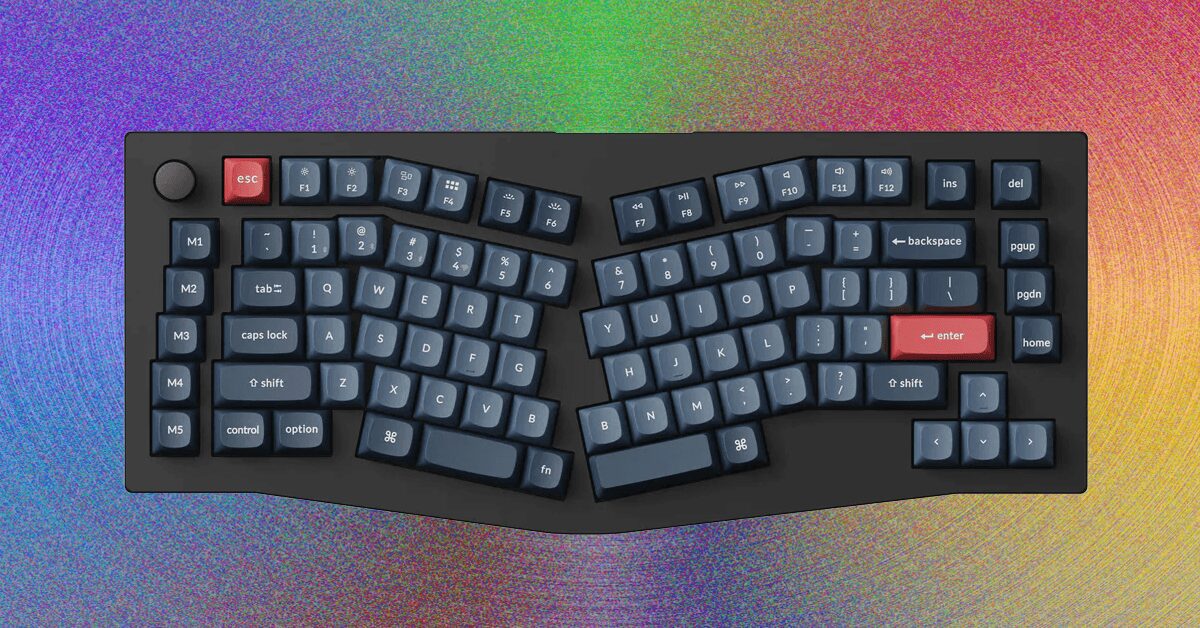
Angled Keyboards
Angled keyboards split the alphanumeric keys into two halves, positioning them at a slight angle. This design keeps your wrists closer to a neutral position, reducing the risk of repetitive strain injuries. The modifier keys (Shift, Enter, etc.) remain in standard locations for ease of use.
Split Keyboards
Split keyboards take ergonomics further by separating the two halves entirely. You can adjust the distance and angle between the halves to match your shoulder width. This setup is ideal for users who want maximum customization but may require a short learning curve to adapt.
Ortholinear Keyboards
Ortholinear layouts arrange keys in a grid rather than the staggered pattern of traditional keyboards. While this feels unfamiliar at first, it allows your fingers to move straight up and down, minimizing awkward angles. Many users report improved typing speed after adapting.
Key Benefits of Ergonomic Keyboards
- Reduced Strain: Proper wrist alignment prevents long-term injuries.
- Customizable Layouts: Adjust angles and spacing to fit your body.
- Better Posture: Encourages a more natural sitting position.
What to Consider Before Buying
Not all ergonomic keyboards are created equal. Here’s what to prioritize:
- Build Quality: Look for durable materials and stable key switches.
- Connectivity: Choose wired or wireless options based on your workspace.
- Software Support: Customizable key mappings enhance productivity.
Our Testing Process
We rigorously test each keyboard for:
- Daily typing comfort
- Gaming responsiveness
- Software integration
- Long-term durability
Final Thoughts: Choose Your Ergonomic Fit
Investing in an ergonomic keyboard isn’t just about comfort—it’s about sustainability. Whether you prefer angled, split, or ortholinear designs, prioritize your needs and test different models to find your perfect match. Your wrists will thank you.