
Trump FCC’s Unequal Time Enforcement: Why Talk Radio is Exempt
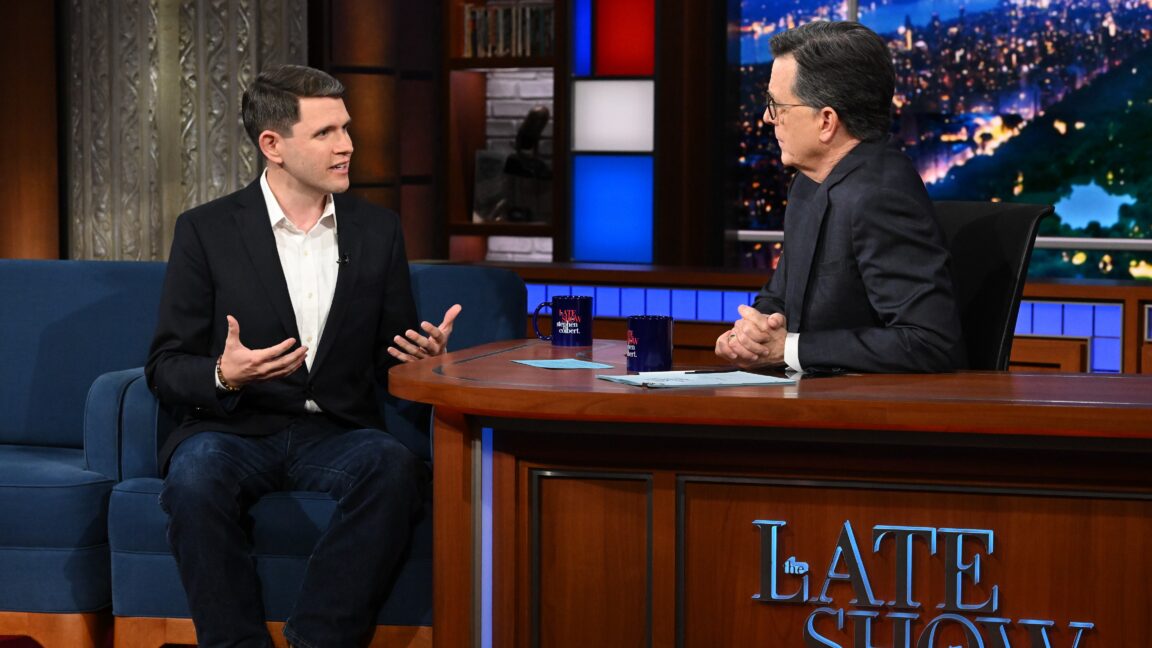
When it comes to enforcing the equal-time rule, the Trump-era Federal Communications Commission (FCC) has drawn sharp criticism for its selective approach. While threatening TV broadcasters with penalties for violating the Equal Opportunities Requirement, FCC Chairman Brendan Carr has notably ignored conservative talk radio—despite the legal similarities between TV and radio interviews. This uneven enforcement has sparked debates about media bias and regulatory fairness.
What Is the Equal-Time Rule?
The Equal Opportunities Requirement, codified under U.S. law, mandates that broadcasters offer equal airtime to opposing political candidates if one is featured. Exceptions exist for bona fide news programs, interviews, or documentaries. Historically, the FCC has applied these exemptions to late-night TV shows and talk radio alike. However, Carr’s recent actions suggest a departure from this precedent.
Why Talk Radio Is Exempt
Critics argue that Carr’s focus on TV broadcasters while ignoring conservative radio hosts like Sean Hannity reflects a political agenda. When asked about this disparity, Carr claimed TV programmers had “misread” FCC precedents, while radio hosts had not. This vague justification has been dismissed as “a bunch of nonsense” by former FCC officials like Gigi Sohn.
Sean Hannity, a prominent Fox News and radio host, has pushed back against the FCC’s stance. “Talk radio is successful because people understand we’re the antidote to biased legacy media,” he stated. “We need less government regulation and more freedom.”
Legal Precedents and the Bona Fide Exemption
For decades, the FCC has granted exemptions to talk shows and radio programs that qualify as bona fide news. Shows hosted by Phil Donahue, Jay Leno, and Howard Stern have all received such exemptions. Carr’s January 2026 warning to TV broadcasters contradicts these long-standing precedents, raising questions about the agency’s consistency.
Implications for Media Freedom
The FCC’s selective enforcement risks undermining public trust in regulatory neutrality. By targeting TV but not radio, the agency appears to prioritize political interests over legal clarity. As Gigi Sohn noted, “The Equal Opportunities law must apply equally to all broadcasters, regardless of platform.”
Conclusion: A Call for Transparency
The Trump FCC’s “unequal time” enforcement highlights the need for clear, unbiased regulations. Until the agency addresses these inconsistencies, the debate over media fairness will continue. What do you think? Share your views in the comments below.
FAQs
1. What is the FCC’s equal-time rule?
The rule requires broadcasters to offer equal airtime to opposing political candidates if one is featured, with exceptions for bona fide news programs.
2. Why is talk radio exempt from enforcement?
FCC Chairman Brendan Carr claims TV broadcasters misread precedents, but critics argue this is a politically motivated excuse.
3. Which shows have received bona fide exemptions?
Phil Donahue, Jay Leno, and Howard Stern are among the hosts who have historically qualified for exemptions.
4. How does the Trump FCC’s approach differ from past administrations?
Previous FCCs applied exemptions consistently across TV and radio. Carr’s selective enforcement is seen as a departure from this norm.
5. What are the risks of unequal enforcement?
It erodes public trust in regulatory neutrality and may stifle media diversity by favoring certain platforms over others.








