
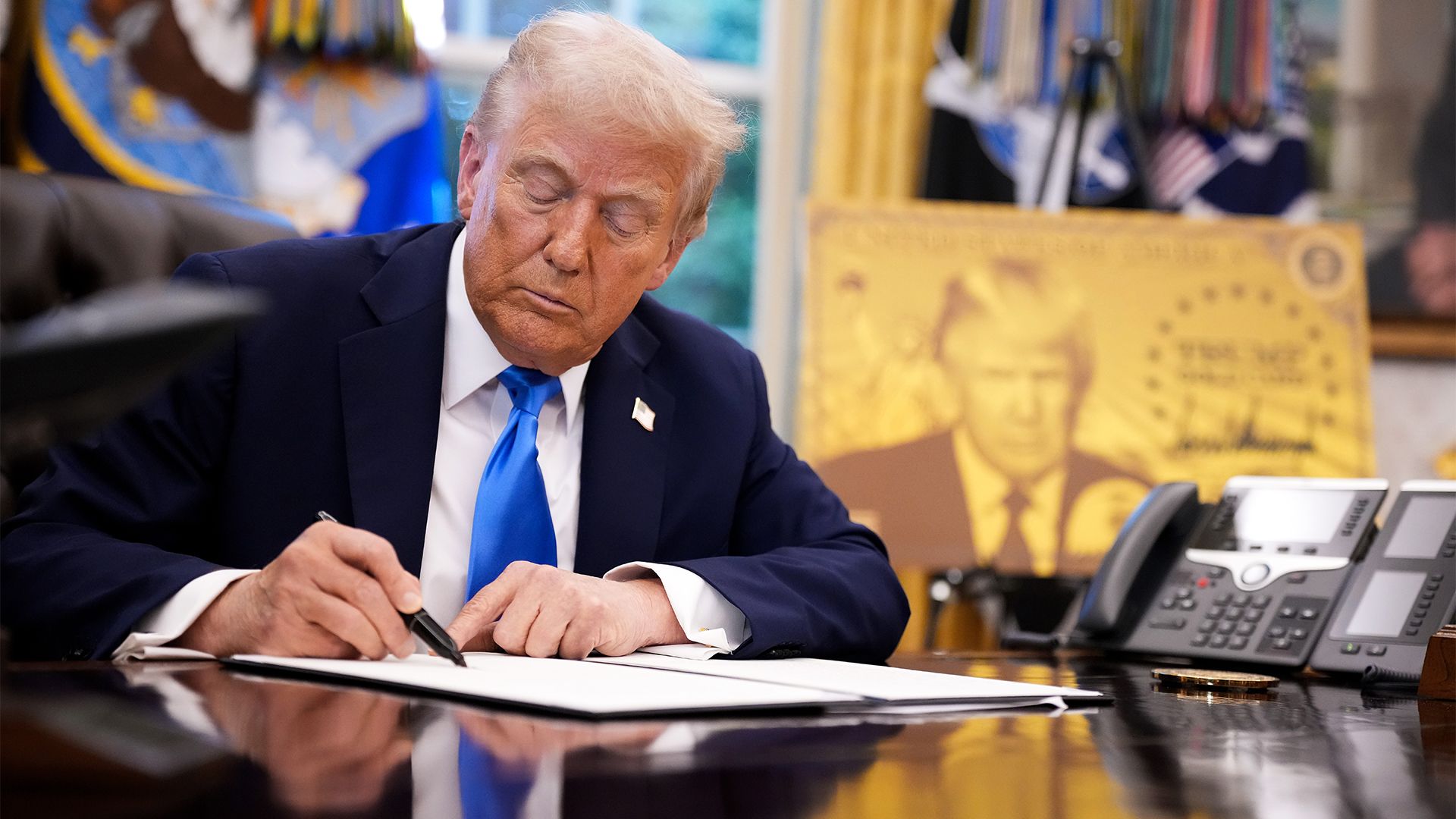
Trump Forces AI Firms to Pay for Power
The U.S. government has struck a historic deal with tech giants and AI companies to address the growing strain on the national energy grid. This agreement, announced at the White House, requires major players like Amazon, Google, Meta, Microsoft, and OpenAI to cover the costs of new energy infrastructure needed to power their massive data centers. The goal? To prevent electricity price hikes for consumers and reduce local opposition to AI-driven projects.
The Trump-AI Energy Pact: A Game Changer?
As AI development accelerates, data centers are consuming vast amounts of electricity, straining aging power grids. Critics warn this could worsen the cost-of-living crisis. President Trump’s administration has positioned this pact as a win-win: tech firms fund the energy they consume, while communities avoid bearing the financial burden.
Key Players and Commitments
- Signatories: Amazon, Google, Meta, Microsoft, Oracle, OpenAI, xAI.
- Excluded: Anthropic, due to prior disputes over military AI use.
- Requirements: Cover costs of new energy generation, infrastructure upgrades, and community investments.
How the Pledge Works
Under the Ratepayer Protection Pledge, companies must:
- Build or purchase new energy resources to power data centers.
- Upgrade local power delivery infrastructure, even if they don’t use the electricity.
- Invest in communities and provide backup power during outages.
Will This Solve the Energy Crisis?
While the pledge addresses cost concerns, critics argue it doesn’t fast-track energy production. Jon Gordon of Advanced Energy United notes, “Paying for generation doesn’t make it appear faster.” However, the White House claims the agreement formalizes practices already in motion, such as Google’s water-free data center and Microsoft’s geothermal experiments.
Challenges Ahead
- Time Constraints: Midterm elections loom in November, leaving little room for immediate results.
- Community Pushback: Local opposition to data centers remains a hurdle, despite new safeguards.
- Energy Sources: Reliance on nuclear and geothermal projects requires long-term planning.
Broader Implications for AI and Energy
This deal reflects a global trend. In the UK, activists are urging stricter environmental assessments for AI projects. Meanwhile, innovative solutions—like using data center heat to warm homes—are gaining traction. The Trump administration’s approach could set a precedent for balancing tech growth with energy sustainability.
Conclusion: A Step Forward or a Stopgap?
Trump’s energy pact with AI firms is a bold move to stabilize electricity costs and ease community tensions. While it doesn’t solve all challenges, it signals a shift toward shared responsibility in the AI era. What’s your take? Share your thoughts in the comments or explore our Future Focus 2025 report for deeper insights into AI’s energy demands.
FAQs
How do AI firms pay for power under Trump’s deal?
The Ratepayer Protection Pledge requires companies to fund energy infrastructure, upgrades, and community investments to avoid driving up electricity costs for consumers.
What companies signed the Trump-AI energy agreement?
Amazon, Google, Meta, Microsoft, Oracle, OpenAI, and xAI committed to the pledge, while Anthropic opted out due to prior disagreements with the U.S. government.
Will this agreement prevent electricity price hikes?
The pact aims to shift costs from consumers to tech firms, but critics argue it may not accelerate energy production fast enough to meet demand.
How are AI companies addressing energy sustainability?
Examples include Google’s water-free data centers and Microsoft’s geothermal projects, alongside partnerships to repurpose excess heat for residential use.
What challenges remain for the Trump-AI energy deal?
Time constraints, community opposition, and the slow deployment of new energy sources like nuclear and geothermal projects pose ongoing hurdles.








