
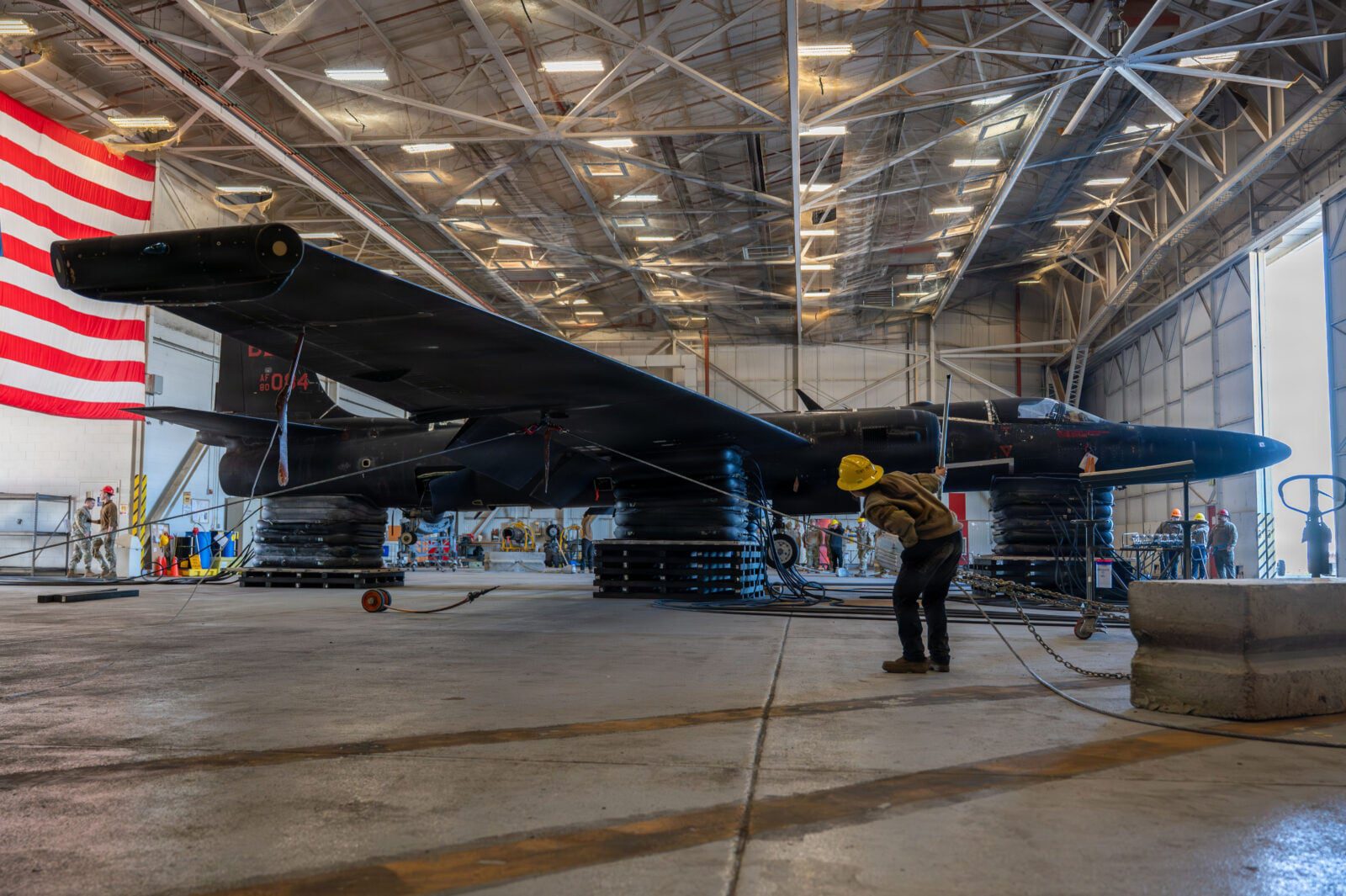
U-2 Life Support Sustainment: Keeping the Dragon Lady Flying
The U-2 Dragon Lady, a Cold War-era reconnaissance aircraft, continues to serve as a critical asset for modern intelligence missions. But its survival hinges on one vital factor: advanced life support systems. In February 2026, the U.S. Air Force issued a Request for Information (RFI) to identify contractors capable of sustaining these systems, ensuring the U-2 remains operational in extreme high-altitude environments.
Why U-2 Life Support Systems Matter
At 70,000 feet—where the U-2 flies—conditions mimic the edge of space. Pilots rely on fully pressurized suits, oxygen systems, and protective gear to survive. These systems function like partial space suits, regulating pressure, temperature, and oxygen flow during missions lasting up to 12 hours. Any failure risks both pilot safety and mission success.
Key Components of the U-2 Life Support System
- S1034 Pilot’s Protective Assembly: Includes pressure garments, torso retainers, and flotation systems.
- S1034E Full-Pressure Helmet: Maintains oxygen supply and pressure balance.
- Coverall Assembly: Provides thermal and pressure protection in near-vacuum conditions.
Air Force’s RFI: What Contractors Need to Know
The Air Force Life Cycle Management Center seeks companies with expertise in depot-level repairs, engineering, and technical services. Contractors must demonstrate experience with:
- Repair data and qualification requirements
- Program management for long-term sustainment
- Quick resolution of equipment failures
Responses are due by March 26, 2026. While the RFI does not guarantee a contract, it signals the Air Force’s commitment to maintaining the U-2’s operational readiness.
The U-2’s Enduring Legacy
Despite its age, the U-2 remains unmatched in certain missions. Its ability to carry advanced sensors, stay airborne for hours, and adapt to evolving threats ensures its relevance. Modern drones lack the U-2’s flexibility for real-time intelligence gathering, making life support sustainment a priority.
Challenges of High-Altitude Flight
Operating at extreme altitudes demands more than just advanced technology. Pilots face:
- Atmospheric pressure too low to breathe without support
- Temperatures as low as -60°F (-51°C)
- Need for rapid system repairs to avoid mission delays
Conclusion: Securing the Future of U-2 Missions
The U-2’s survival depends on sustained investment in life support systems. By partnering with industry leaders, the Air Force ensures this iconic aircraft continues to deliver critical intelligence. For readers interested in defense tech, this effort highlights the intersection of legacy systems and modern innovation.
FAQs
1. What is the focus of the U-2 Life Support Sustainment RFI?
The RFI seeks contractors to repair and maintain life support systems, including pressure suits, helmets, and oxygen equipment, for U-2 high-altitude missions.
2. Why is the U-2 still in service after six decades?
Its ability to carry advanced sensors, stay airborne for hours, and adapt to evolving threats makes it irreplaceable for certain intelligence missions.
3. How do U-2 pilots survive at 70,000 feet?
Pilots wear pressurized suits and use oxygen systems that mimic space suit functionality, ensuring survival in near-vacuum conditions.
4. What risks arise from life support system failures?
Failures could lead to decompression, hypoxia, or mission cancellation, directly impacting flight safety and intelligence outcomes.
5. How does the Air Force ensure rapid repairs?
Contractors must provide serviceable spares and depot-level repair capabilities to minimize downtime and maintain mission readiness.








