UAE Air Defence Forces Engage 304 Ballistic Missiles Amid Ongoing Iran Strikes
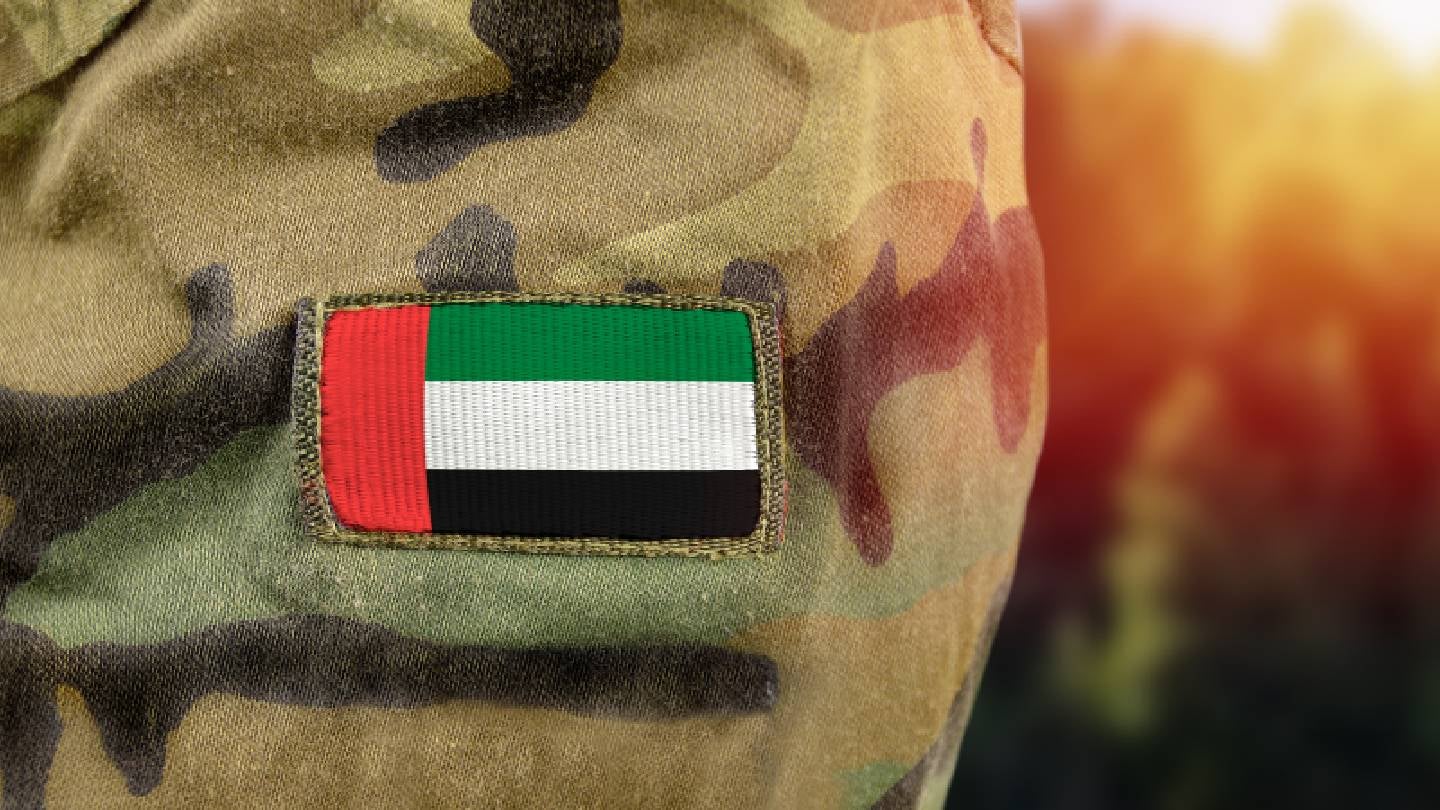
The United Arab Emirates (UAE) air defence forces have engaged a total of 304 ballistic missiles, 15 cruise missiles, and 1,627 uncrewed aerial vehicles (UAVs) since the beginning of Iranian attacks, according to official reports.
Israel and the US launched a military operation dubbed Operation Epic Fury against Iran on 28 February 2026, and the conflict has continued into its third week with no sign of de-escalation.
Recent Developments
On 16 March 2026, the Ministry of Defence UAE said that its air defence systems intercepted six ballistic missiles and 21 UAVs launched from Iran.
The missile and drone strikes on that date resulted in the deaths of two members of the UAE armed forces while on duty.
Five other fatalities were confirmed among foreign nationals from Pakistan, Nepal, Bangladesh, and Palestine.
Authorities reported that 145 individuals sustained injuries ranging from minor to severe during these incidents.
Global Response
The injured included citizens of the UAE as well as residents from Egypt, Sudan, Ethiopia, the Philippines, Pakistan, Iran, India, Bangladesh, Sri Lanka, Azerbaijan, Yemen, Uganda, Eritrea, Lebanon, Afghanistan, Bahrain, Comoros, Türkiye, Iraq, Nepal, Nigeria, Oman, Jordan, Palestine, Ghana, Indonesia, and Sweden.
Media sources indicated that Fujairah port, UAE’s largest port and oil storage site along with Dubai International Airport faced additional drone strikes on 16 March 2026.
The Ministry of Defence stated it remains “fully prepared” to address any threats and said it will respond firmly to “any attempts” to undermine state security.
Regional Tensions
In neighbouring Qatar, the country’s Ministry of Defence reported an attack involving 14 ballistic missiles and several drones launched from Iran on 16 March 2026.
The state-run Qatar News Agency reported that Qatari Armed Forces intercepted all drones and 13 of the missiles; one missile landed in an uninhabited area without causing casualties.
Last week, Australia announced plans to deploy an E-7A Wedgetail aircraft along with Advanced Medium Range Air-to-Air Missiles (AMRAAMs) to the Gulf region in support of partners and civilian protection efforts.
The shipment of AMRAAMs is intended for use by the UAE.
Earlier this month, media reports indicated that Gulf countries requested advanced air defence and anti-drone systems from Italy amid escalating conflict involving Iran, Israel and the US.
This development highlights the growing need for robust air defence systems in the region to counter the increasing threat of ballistic missiles and UAVs.
The UAE’s air defence forces have demonstrated their capabilities in engaging a large number of ballistic missiles and UAVs, but the situation remains fluid, and the country must remain vigilant to address any emerging threats.
As the conflict continues, it is essential for the international community to work together to find a peaceful resolution and prevent further escalation.
The situation in the Gulf region is complex, and a multifaceted approach is required to address the root causes of the conflict and promote regional stability.
The UAE’s air defence forces have played a crucial role in protecting the country and its citizens from the ongoing attacks, and their efforts should be acknowledged and supported.
The international community must come together to provide assistance and support to the UAE and other affected countries to help them address the challenges posed by the conflict.
Ultimately, a peaceful resolution to the conflict is the only way to ensure the stability and security of the region.