Introduction to the UAE’s Missile Defense System
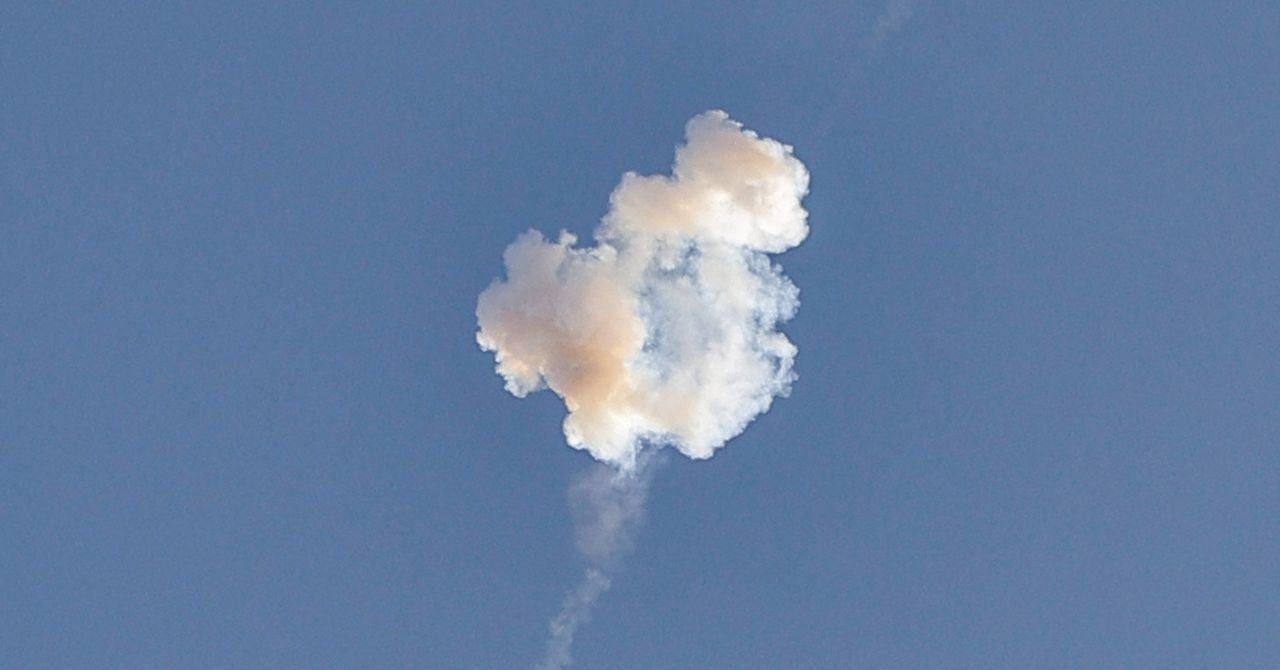
The UAE’s missile shield was recently activated in real-time, intercepting Iranian missiles targeting US-linked sites across the Gulf. This complex network of radars, interceptors, and command systems is designed to detect, track, and destroy ballistic missiles traveling at hypersonic speeds.
The System Designed to Stop Ballistic Missiles
The UAE’s missile shield includes multiple layers of defense, such as the high-altitude Terminal High Altitude Area Defense (THAAD) and the lower-altitude MIM-104 Patriot. THAAD is designed to intercept ballistic missiles during the final phase of their flight, using direct kinetic impact to destroy incoming missiles.
A Layered Defense Network
THAAD is only one component of the UAE’s broader air- and missile-defense architecture. The country also operates the MIM-104 Patriot system, which is designed to intercept aircraft and ballistic missiles at lower altitudes. Together, these systems form a layered missile-defense architecture, giving operators more than one opportunity to intercept an incoming threat.
How the UAE’s Missile Defense System Works
In a typical interception sequence, several steps happen within seconds: detection, tracking and command, and interception. High-altitude interceptors such as THAAD attempt to destroy the missile in the upper atmosphere. If necessary, lower-altitude systems like Patriot provide another interception opportunity.
Missile Defense Begins with Sensors
Missile defense begins with sensors that can detect a launch within seconds. One of the key radars used with THAAD is the AN/TPY-2, a high-frequency X-band radar designed to track small, fast-moving objects at long distances.
Why Intercepting Ballistic Missiles Is So Hard
Ballistic missiles travel extremely fast, reaching speeds of more than 20,000 kilometers per hour. Defense systems often have only minutes to detect, track, and intercept a missile before it descends toward its target.
The Expansion of Missile Defense Systems
The expansion of missile defense systems across the Gulf has been driven largely by the rapid development of ballistic missile arsenals in the region. Iran is widely considered to possess one of the largest ballistic missile inventories in the Middle East.
Conclusion and Call to Action
In conclusion, the UAE’s missile defense system is a complex network of radars, interceptors, and command systems designed to detect, track, and destroy ballistic missiles. While the system has been successful in intercepting incoming missiles, the danger does not disappear entirely. It is essential for the UAE and other countries in the region to continue investing in missile defense systems to protect critical infrastructure, major cities, and military facilities.
For more information on the UAE’s missile defense system, please visit our website. Additionally, we recommend the following:
- Stay informed about the latest developments in missile defense systems
- Support initiatives that promote regional security and stability
- Encourage your government to invest in missile defense systems
Frequently Asked Questions
Here are some frequently asked questions about the UAE’s missile defense system:
- What is the UAE’s missile defense system? The UAE’s missile defense system is a complex network of radars, interceptors, and command systems designed to detect, track, and destroy ballistic missiles.
- How does the UAE’s missile defense system work? The system works by detecting a missile launch, tracking the missile’s trajectory, and intercepting it using high-altitude interceptors such as THAAD or lower-altitude systems like Patriot.
- What is the purpose of the AN/TPY-2 radar? The AN/TPY-2 radar is a high-frequency X-band radar designed to track small, fast-moving objects at long distances.
- Why is intercepting ballistic missiles so hard? Intercepting ballistic missiles is hard because they travel extremely fast, reaching speeds of more than 20,000 kilometers per hour, and defense systems often have only minutes to detect, track, and intercept a missile before it descends toward its target.
- What is the focus keyword for this article? The focus keyword for this article is missile defense system.