UK Delays AI Copyright Rules Amid Artist Protests
The UK government has postponed its controversial AI copyright legislation after facing fierce opposition from artists, creators, and industry leaders. The proposed law would allow AI companies to train models on copyrighted material without explicit consent from rights holders—a move critics argue threatens the creative economy.
What’s at Stake in the AI Copyright Debate?
The UK’s data bill, currently under review, aims to clarify whether copyrighted works can be used to train AI algorithms. Tech giants like Google and OpenAI support the bill’s current framework, which would require creators to opt out of having their work used in AI training. However, this approach has sparked outrage among musicians, filmmakers, and authors, who argue it undermines their intellectual property rights.
Key Points from the Consultation
- Stakeholder Pushback: Over 90% of respondents in the government’s two-month consultation opposed the proposed rules.
- House of Lords Recommendation: The committee urged a licensing system prioritizing creator transparency and fair compensation.
- Blocked Amendments: A House of Lords amendment requiring AI companies to disclose training data was rejected by the House of Commons in May 2025.
Why Artists Are Fighting Back
High-profile figures like Elton John and Paul McCartney have criticized the government, calling the proposed rules “existential threats” to creative industries. McCartney co-created a “silent album” to highlight the risks of AI-driven IP theft. Baroness Beeban Kidron, a vocal advocate for creators, stated, “We shouldn’t build AI for free with our work, only to rent it back from those who stole it.”
Industry Concerns
Creators fear the bill would:
- Devalue original content by allowing AI to replicate it freely.
- Undermine revenue streams from licensing and royalties.
- Discourage investment in new creative projects.
Government’s Next Steps
Ministers have delayed the bill’s inclusion in the King’s Speech, opting to revisit the framework. The House of Lords Communications and Digital Committee emphasized the need for “robust transparency” and a licensing-first approach. Meanwhile, the Labour government faces mounting pressure to balance AI innovation with creator rights.
What This Means for AI Development
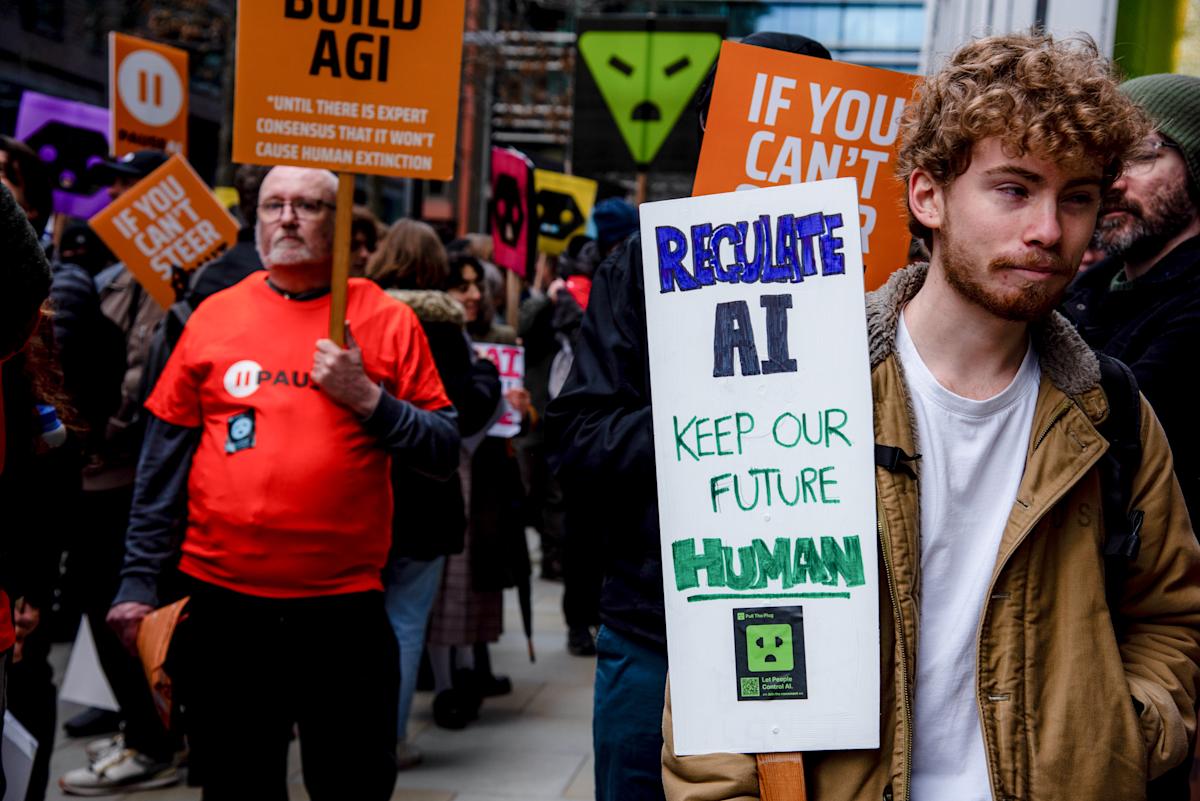
The delay highlights the global tension between AI progress and copyright protection. While tech companies argue AI needs vast datasets to improve, creators demand fair compensation and control. The UK’s final decision could set a precedent for other nations grappling with similar issues.
Takeaway for Businesses
Companies developing AI tools should:
- Monitor legislative updates in key markets like the UK.
- Engage with creators to build trust and transparency.
- Explore licensing agreements as a sustainable alternative.
Conclusion: A Delicate Balance
The UK’s AI copyright debate underscores the need for policies that protect innovation while respecting intellectual property. As the government revises its approach, stakeholders must collaborate to find solutions that benefit both AI developers and creators. Share your thoughts: How should AI training data be regulated? Let us know in the comments.
FAQs
What are the UK’s proposed AI copyright rules?
The bill would allow AI companies to train models on copyrighted material without consent, requiring creators to opt out instead.
How are artists responding to the UK’s AI copyright delay?
Artists like Elton John and Paul McCartney have criticized the government, calling the proposed rules unfair and harmful to creative industries.
What alternatives are being suggested?
The House of Lords recommends a licensing system with transparency measures to protect creators while supporting AI growth.
Why is the UK government delaying the AI bill?
Stakeholder feedback and opposition from creative industries have forced the government to reconsider its approach.
How might this affect global AI policy?
The UK’s decision could influence other nations as they navigate the balance between AI innovation and copyright protection.