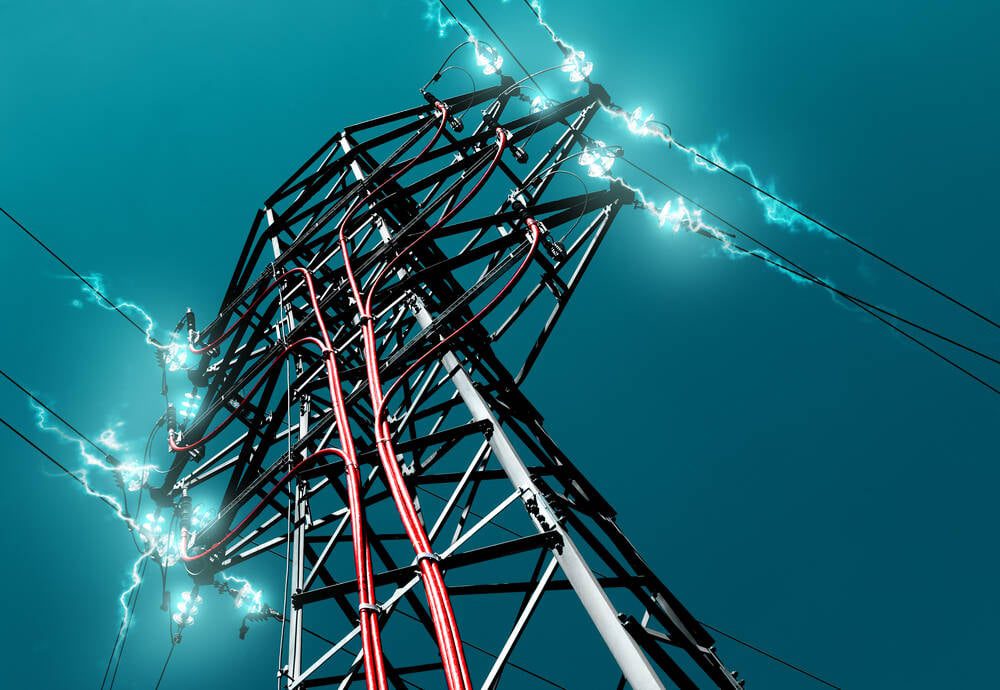
Introduction to the UK Grid Queue Crisis
The British government is facing a dilemma in managing its grid connections, with a massive backlog of applications from datacenter developers. This has led to delays of up to 15 years for some projects, sparking concerns that AI infrastructure will be prioritized over new homes. In this article, we will explore the implications of the proposed reforms and their potential impact on the energy sector.
Prioritizing Strategically Important Grid Connections
The government’s AI Opportunities Action Plan, launched in 2025, has led to a surge in datacenter construction, resulting in a 460% increase in transmission network applications. To address the backlog, the government is consulting on measures to tackle speculative applications and accelerate viable projects, including datacenters, AI Growth Zones, and electrified industrial sites.
Speculative Applications and the Energy Sector
Experts point to speculative applications as a major contributor to the grid connection queue, with developers applying for more power than needed to account for future growth. This practice has led to delays for strategically important projects, including new housing developments. The government aims to address this issue by increasing financial requirements for developers in the queue, including deposits or fees payable if key milestones are not met.
Impact on Housing Developers and the Energy Sector
Housing developers are concerned that the proposed reforms will prioritize AI datacenters over new homes, exacerbating the housing crisis. A single AI facility can consume as much energy as 100,000 homes, and the London Assembly has reported that West London’s local grid hit full capacity in 2022, stalling planned housing developments.
Practical Solutions and Recommendations
To address the grid connection queue crisis, the government should consider the following measures:
- Increasing investment in energy infrastructure to support both new housing and economic growth
- Implementing a more efficient and transparent application process for grid connections
- Encouraging developers to build in areas with abundant generating capacity
Conclusion and Call to Action
In conclusion, the UK grid queue reforms have significant implications for the energy sector, housing developers, and the environment. It is essential to strike a balance between supporting economic growth and addressing the housing crisis. We urge the government to consider the concerns of all stakeholders and implement practical solutions to ensure a sustainable and equitable energy sector.
For more information on the consultation document, ‘Accelerating electricity network connections for strategic demand,’ please visit the government’s website. The deadline for submitting responses is midnight on April 15.
Frequently Asked Questions
Here are some frequently asked questions about the UK grid queue reforms:
- What are the proposed reforms aimed at addressing? The proposed reforms aim to tackle speculative applications and accelerate viable projects, including datacenters and AI Growth Zones.
- How will the reforms impact housing developers? The reforms may prioritize AI datacenters over new homes, exacerbating the housing crisis.
- What are the potential benefits of the reforms? The reforms may lead to increased investment in energy infrastructure and support economic growth.
- How can I participate in the consultation process? You can submit your responses to the consultation document, ‘Accelerating electricity network connections for strategic demand,’ by midnight on April 15.
- What is the focus keyword for this article? The focus keyword for this article is ‘UK grid queue reforms’.