
UK Hybrid Navy Strategy: Royal Navy’s USV Revolution
The UK Royal Navy is embracing a bold new era with its first operational order of uncrewed surface vessels (USVs). This marks a strategic shift toward a “hybrid navy” that blends traditional crewed warships with autonomous systems. The 20 K3 Scout USVs, ordered under Project Beehive, signal a transformative approach to modern naval warfare.
What Is the K3 Scout USV?
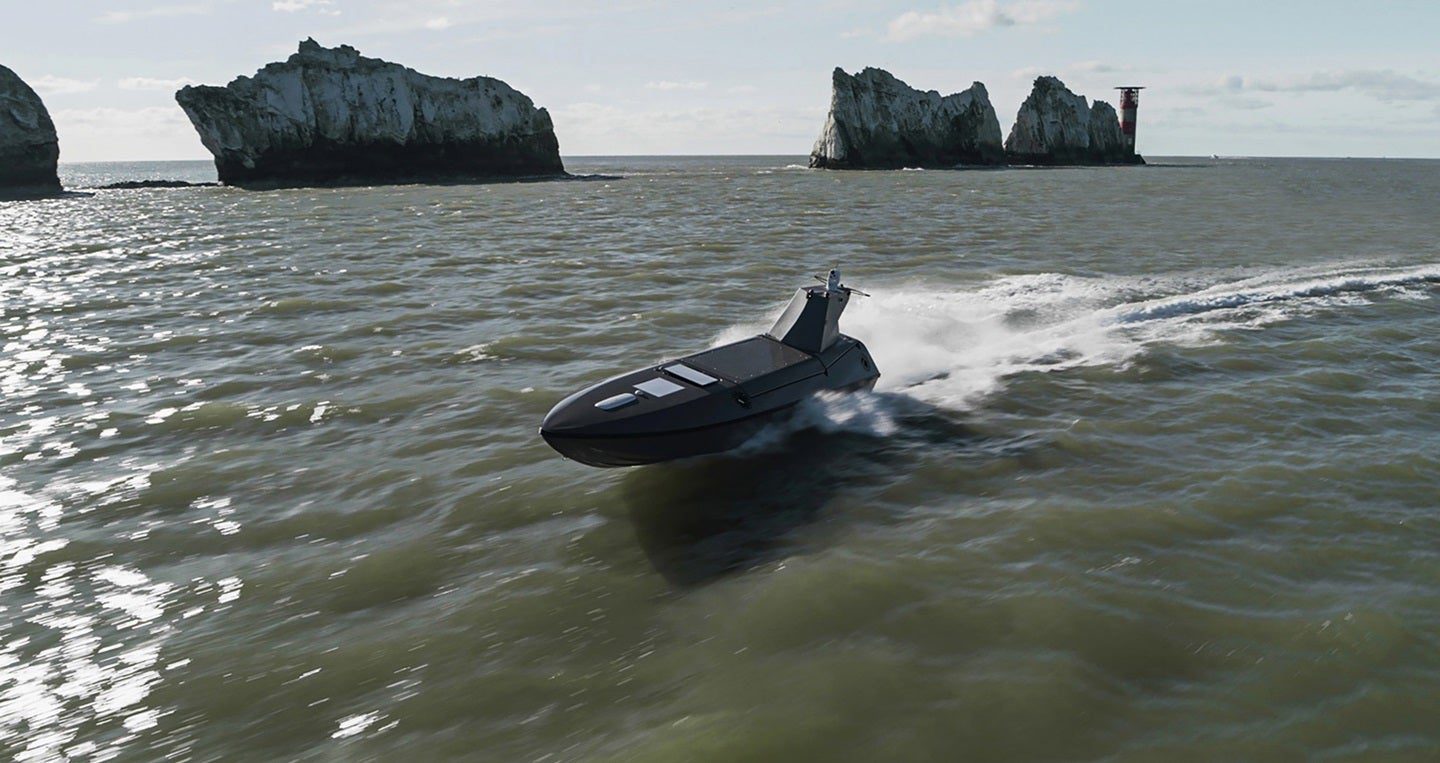
Developed by UK-based Kraken Technology Group, the K3 Scout is a 8.4-meter, 2,500kg USV designed for rapid deployment. Derived from a racing hull, this versatile platform can carry mission-specific payloads for intelligence, surveillance, and even kinetic operations. Its modular design allows integration with Type 26 and Type 31 frigates, offering commanders flexible operational choices.
- Cost-effective: £615,000 per unit
- Operable via mesh networks or beyond visual line of sight
- 30-day endurance for ISR missions
Strategic Implications of the Hybrid Navy
The Royal Navy faces a critical challenge: maintaining operational readiness with a shrinking fleet of crewed warships. By integrating USVs, the UK aims to:
- Fill capability gaps during high-demand operations
- Strengthen coastal defense against Russian encroachment
- Support Royal Marine amphibious missions
However, this strategy carries risks. Overreliance on autonomous systems could strain existing infrastructure, particularly as the UK struggles to reconstitute its crewed surface fleet. The MoD acknowledges this balance, emphasizing that USVs complement—not replace—traditional assets.
Cost Efficiency and Shipbuilding
With conventional warships costing hundreds of millions each, USVs offer a budget-friendly alternative. Kraken CEO Mal Crease likens the Scout to an “F-150 truck”—a versatile, adaptable platform. The UK government sees these systems as a way to sustain shipbuilding at facilities like Babcock’s Rosyth yard, preserving critical industrial capacity.
Global Demand and Supply Chain
The USV market is booming, with Kraken in talks for global joint ventures. The K3 Scout’s “boat in a box” design allows rapid assembly by semi-skilled labor, making it attractive for international partners. GlobalData reports the USV segment holds 59% of the military unmanned maritime market, validating this strategic pivot.
Challenges Ahead
Despite its promise, the hybrid navy faces hurdles:
- Supply chain bottlenecks for critical components
- Training crews to operate autonomous systems
- Ensuring cybersecurity for networked operations
These challenges highlight the need for careful implementation as the Royal Navy transitions to this new operational model.
Conclusion: The Future of Naval Warfare
The UK’s hybrid navy strategy represents a forward-thinking approach to modern maritime threats. By leveraging USVs like the K3 Scout, the Royal Navy can maintain operational flexibility while managing budget constraints. However, success will depend on balancing innovation with the enduring value of human expertise in naval operations.
Ready to explore the future of naval technology? Dive deeper into GlobalData’s reports on military unmanned systems and naval vessel markets to stay ahead of industry trends.








