Ukraine Downs Russian Ka-52 Helicopter with FPV Drone
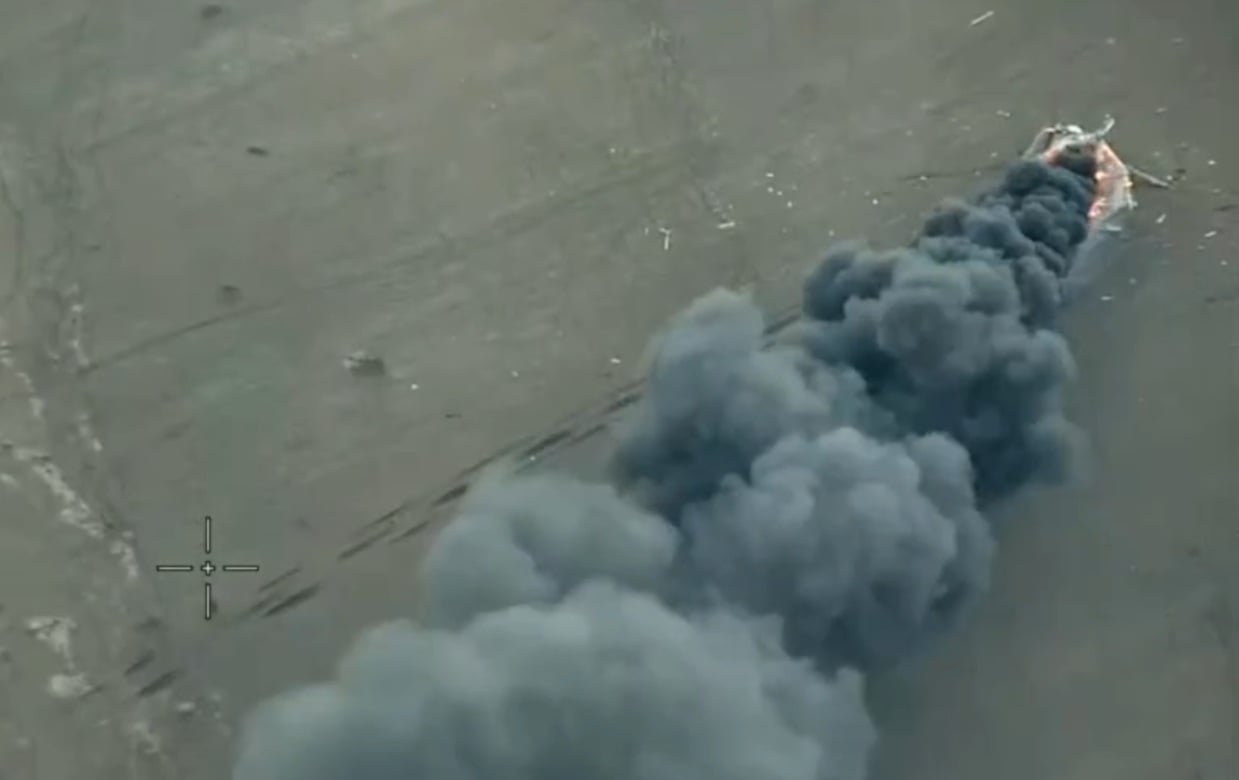
Meanwhile, the ongoing conflict in Ukraine has seen a significant escalation in the use of drones for military operations. Additionally, Ukrainian forces have reported destroying a Russian Ka-52 helicopter near Pokrovsk using an FPV drone, supported by video and photographic evidence.
FPV Drones in Modern Warfare
For example, the incident highlights the growing use of low-cost FPV drones to engage high-value rotary-wing aircraft in frontline conditions. However, the use of FPV drones in combat is not new, as they have been used in various conflicts around the world. Furthermore, the Ukrainian military has been using FPV drones as improvised strike systems, equipping them with explosive payloads and guiding them directly into targets.
Moreover, the Ukrainian military has used FPV drones to hunt down and destroy Russian aircraft, including the Ka-52 helicopter. Therefore, the use of FPV drones has become a significant factor in the ongoing conflict in Ukraine. Meanwhile, the Russian military has also been using drones in the conflict, but the Ukrainian forces have been more successful in using them to destroy Russian aircraft.
Advantages of FPV Drones
Additionally, FPV drones have several advantages that make them useful in combat operations. For instance, they are relatively low-cost and can be equipped with explosive payloads, making them a cost-effective way to destroy enemy aircraft. Furthermore, FPV drones can be guided directly into targets, allowing for precise targeting of vehicles, fortifications, and airborne or low-flying assets.
However, the use of FPV drones also has some limitations. For example, they are typically operated by individual pilots using real-time video feeds, which can be affected by weather conditions and other factors. Moreover, FPV drones are relatively small and can be difficult to detect, but they can also be shot down by enemy forces.
Conclusion
In conclusion, the use of FPV drones in the ongoing conflict in Ukraine has been significant. Meanwhile, the Ukrainian military has been successful in using FPV drones to destroy Russian aircraft, including the Ka-52 helicopter. Therefore, the use of FPV drones is likely to continue to play a significant role in the conflict. Finally, the use of FPV drones has highlighted the importance of adapting to new technologies and tactics in modern warfare.
Moreover, the use of FPV drones has also raised concerns about the future of warfare. For instance, the use of drones has made it possible for non-state actors to carry out attacks on military targets, which has significant implications for global security. Additionally, the use of drones has also raised concerns about the ethics of warfare, as they can be used to carry out targeted killings and other forms of violence.
However, the use of FPV drones has also highlighted the importance of innovation and adaptability in modern warfare. For example, the Ukrainian military has been able to use FPV drones to counter Russian airpower, which has been a significant factor in the conflict. Furthermore, the use of FPV drones has also shown that non-state actors can use technology to level the playing field against more powerful opponents.
Future of FPV Drones
Meanwhile, the future of FPV drones in warfare is likely to be significant. Additionally, the use of FPV drones is likely to continue to evolve, with new technologies and tactics being developed. For instance, the use of artificial intelligence and machine learning is likely to play a significant role in the development of FPV drones, as it will allow for more autonomous and precise targeting.
However, the use of FPV drones also raises significant ethical and legal concerns. For example, the use of drones to carry out targeted killings and other forms of violence has significant implications for human rights and international law. Furthermore, the use of drones has also raised concerns about the accountability of those who use them, as it can be difficult to determine who is responsible for a particular attack.
Finally, the use of FPV drones has highlighted the importance of international cooperation and regulation. For instance, the use of drones has significant implications for global security, and it is essential that countries work together to develop common standards and regulations for their use. Additionally, the use of drones has also highlighted the importance of transparency and accountability, as it is essential that those who use drones are held accountable for their actions.