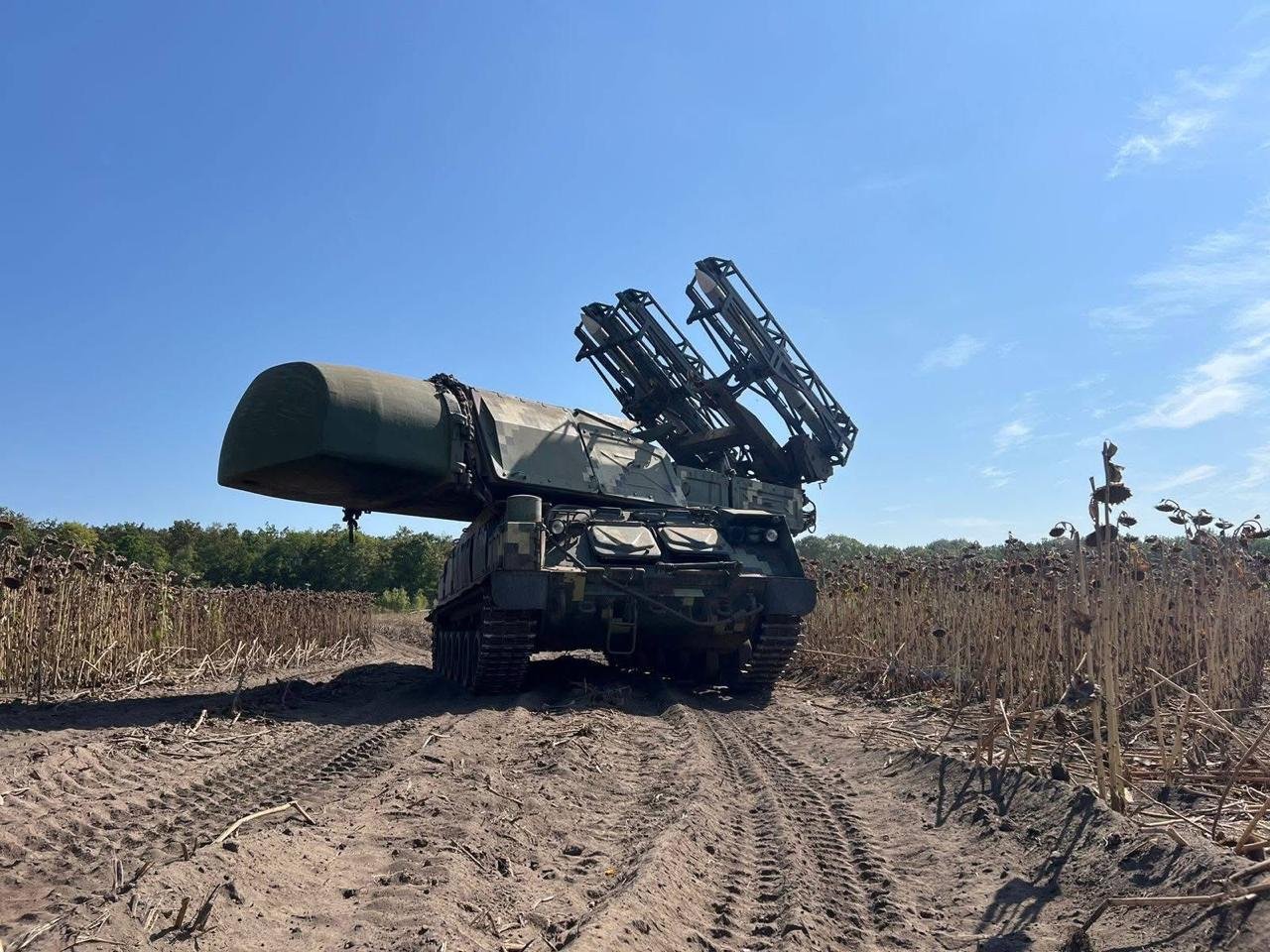
Introduction: A Critical Shift in Ukraine’s Defense Strategy
Amid escalating Russian missile and drone strikes, Ukrainian President Volodymyr Zelenskyy has declared the development of a domestic air defense system a top priority. Speaking to journalists on March 14, 2026, Zelenskyy emphasized the urgency of securing Ukraine’s skies through a mix of Western partnerships and homegrown innovation. This bold initiative reflects a strategic pivot toward long-term security, even as the war rages on.
Zelenskyy’s Strategic Vision for Air Defense
Zelenskyy outlined three parallel paths to bolster Ukraine’s air defense capabilities: securing a license for the U.S. Patriot system, obtaining European alternatives, or accelerating domestic development. “We should not abandon any of these approaches,” he stated, highlighting the need for flexibility in a rapidly evolving conflict.
Collaborative Efforts Between Government and Industry
Defense Minister Mykhailo Fedorov has already engaged with Ukrainian defense firms and tech companies to identify viable solutions. These collaborations aim to integrate advanced radar systems, missile interception technologies, and command networks. Zelenskyy stressed that this partnership is not just wartime necessity but a foundation for future security.
Challenges and Opportunities
- Licensing Hurdles: Securing Western systems like Patriot requires complex negotiations and funding.
- Domestic Innovation: Ukrainian engineers are exploring reverse-engineered Soviet-era systems and Western-inspired designs.
- Resource Constraints: Limited production capacity and technical expertise pose ongoing challenges.
Why This Matters for Ukraine’s Long-Term Security
Zelenskyy underscored that air defense is not just a wartime issue. “A plane will depart from an airport, and people still need to be confident they are protected,” he said. This vision aligns with global security trends, where nations increasingly prioritize self-reliance in critical defense sectors.
Current Capabilities and Gaps
While Ukraine relies on Western systems like NASAMS and Patriot, these are insufficient to cover all critical infrastructure. Domestic projects, including multi-missile systems and potential ballistic missile defense capabilities, could bridge this gap. However, timelines and technical details remain unclear.
Global Implications
Ukraine’s push for self-sufficiency in air defense mirrors broader trends in military technology. Nations like Turkey and India are also investing in indigenous systems, signaling a shift toward decentralized defense production.
Conclusion: A Transformative Path Forward
Zelenskyy’s directive marks a pivotal moment in Ukraine’s defense strategy. By combining international cooperation with domestic innovation, the country aims to secure its skies now and for generations to come. As the war continues, the success of this initiative will depend on sustained political will, technical collaboration, and global support.
Stay informed: Follow our Weekly Defense Roundup for updates on Ukraine’s air defense developments and other critical military news.