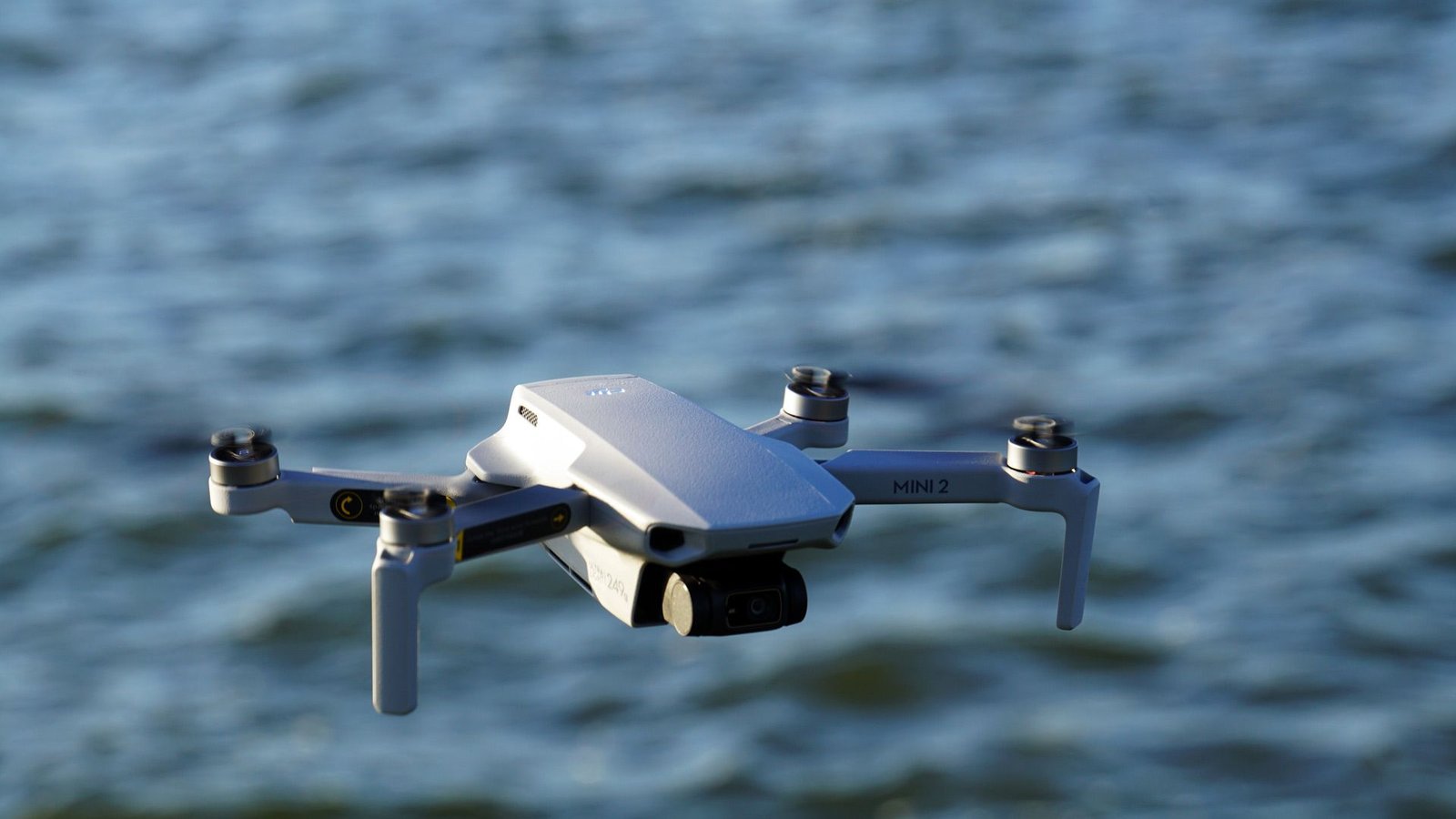
Ukrainian Drones Challenge US Military Strategy
When the US military first encountered Ukrainian drones in combat, it wasn’t just a surprise—it was a wake-up call. These small, agile drones, developed under intense pressure, have not only disrupted traditional warfare but also exposed vulnerabilities in the Pentagon’s billion-dollar drone programs. Meanwhile, the rise of Ukrainian drone technology is shaking up global markets, directly challenging the dominance of Chinese giant DJI.
How Ukrainian Drones Are Redefining Modern Warfare
Ukrainian drones have proven their worth in real-world combat scenarios, offering a cost-effective alternative to expensive military-grade systems. Unlike traditional drones, these models prioritize speed, adaptability, and ease of production. For example, the Storm Shadow and Switchblade variants have demonstrated precision strikes and surveillance capabilities that rival those of the US military’s own inventory.
Key Innovations Driving Ukrainian Drone Success
- Modular Design: Components can be swapped quickly, reducing downtime during missions.
- AI Integration: Machine learning algorithms improve target recognition and autonomous navigation.
- Open-Source Collaboration: Engineers worldwide contribute to software updates, accelerating development cycles.
Cost Efficiency vs. High-End Systems
While the US spends billions on advanced drones like the MQ-9 Reaper, Ukrainian models cost a fraction of the price. This affordability allows for mass deployment, overwhelming enemy defenses through sheer numbers. For instance, a single Ukrainian drone strike can cost $5,000, whereas a comparable US drone mission might exceed $1 million.
The Pentagon’s Billion-Dollar Drone Dilemma
The Pentagon’s $1 billion drone procurement program, designed to modernize US military capabilities, now faces scrutiny. Ukrainian drones have exposed gaps in the US approach, particularly in rapid innovation and battlefield adaptability. Here’s how the situation is evolving:
1. Shifting Priorities in Drone Procurement
Defense officials are reevaluating contracts with traditional vendors like DJI, which has long dominated the commercial drone market. However, recent bans on DJI drones in US government agencies have created an opening for Ukrainian and other emerging manufacturers.
2. The Rise of Voice-Controlled AI Swarms
One of the Pentagon’s latest initiatives involves swarms of voice-controlled AI drones. While still in development, this technology mirrors the decentralized, AI-driven strategies already tested by Ukrainian forces. For example, Ukrainian engineers have deployed drone swarms to conduct coordinated strikes, bypassing radar systems and confusing enemy defenses.
3. Lessons from the Frontlines
Ukrainian combat experience has shown that smaller, faster drones can outmaneuver larger systems. This insight is prompting the US military to rethink its reliance on heavy, slow-moving platforms. As one defense analyst noted, “The battlefield is no longer a chessboard—it’s a swarm.”
Why DJI’s Dominance Is Under Threat
DJI, the world’s largest drone manufacturer, has faced increasing pressure from US regulations and geopolitical tensions. The new US drone ban, which restricts government purchases of DJI products, has accelerated the search for alternatives. Ukrainian drones, with their open-source models and battlefield-tested designs, are emerging as a viable replacement.
Open-Source vs. Proprietary Systems
Ukrainian drones leverage open-source software, allowing for rapid customization and global collaboration. In contrast, DJI’s proprietary systems are tightly controlled, limiting adaptability. This openness has attracted tech communities and startups eager to contribute to drone innovation.
Global Market Implications
The shift away from DJI could reshape the global drone market. Countries seeking to avoid Chinese influence may turn to Ukrainian or other regional manufacturers. For example, Poland and Romania have already expressed interest in adopting Ukrainian drone technology for their defense programs.
What’s Next for Drone Warfare?
The future of drone warfare hinges on three key factors:
- Speed of Innovation: Nations that prioritize rapid prototyping will gain a strategic edge.
- AI and Autonomy: Drones with advanced AI will dominate future battlefields.
- Collaborative Ecosystems: Open-source models foster innovation faster than closed systems.
For the US military, the lesson is clear: adapt or risk obsolescence. Ukrainian drones have already proven that agility and affordability can outperform traditional military spending models.
Conclusion: A New Era of Drone Technology
Ukrainian drones are more than a military tool—they’re a symbol of technological resilience and innovation. As the Pentagon grapples with its billion-dollar drone program, the rise of Ukrainian and open-source alternatives signals a paradigm shift. For readers interested in the future of warfare, the takeaway is simple: the battlefield is evolving, and those who embrace change will lead the charge.
Share your thoughts: How do you see drone technology shaping future conflicts? Let us know in the comments below.