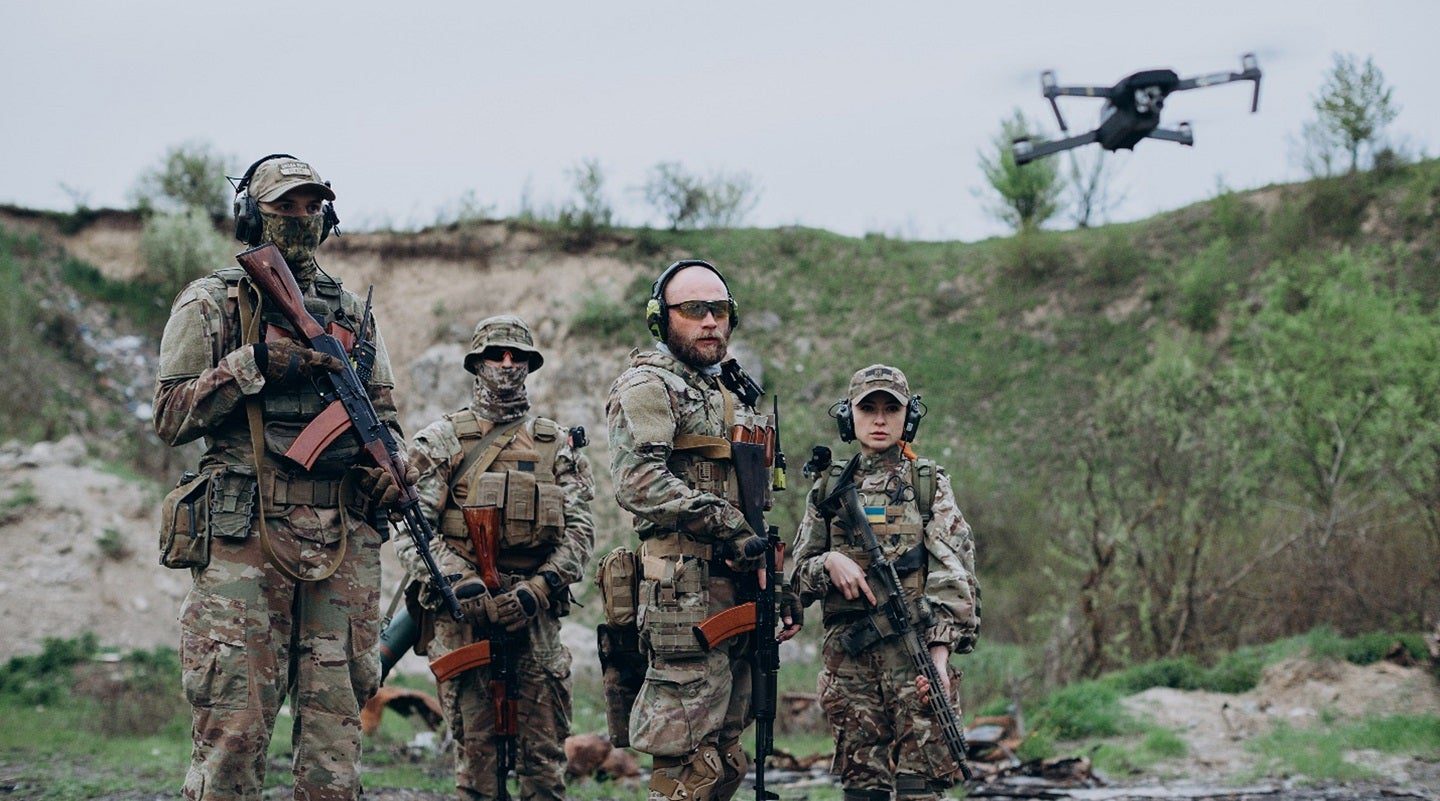
The Incident: Drones in Baltic Airspace
On March 25, 2026, a Ukrainian drone struck Estonian infrastructure while another crash-landed in southern Latvia. Both incidents occurred during a coordinated barrage targeting the Russian port of Ust-Luga, a key oil terminal. The drones strayed from their intended path, highlighting the growing spillover effects of the Russia-Ukraine war into neighboring regions.
Estonian Infrastructure Hit
Estonia confirmed a Ukrainian drone hit its territory, though President Kristen Michal emphasized it was not a deliberate attack. “There were no casualties,” he stated, noting an ongoing investigation. The incident underscores the risks of collateral damage as Ukraine intensifies strikes on Russian logistics hubs.
Latvian Drone Crash
In Latvia, a Ukrainian drone self-detonated in the Krāslava region after flying at low altitude. The Latvian Ministry of Defence described the event as an “isolated incident,” stressing that the country’s acoustic monitoring systems detected the drone’s flight path. These systems, covering 87% of Latvia’s eastern border, are part of broader NATO-backed defense upgrades.
Baltic Governments’ Response
Both Estonia and Latvia have framed the drone incidents as unintended consequences of the Russia-Ukraine conflict. Their responses reflect a balance between regional security concerns and diplomatic caution.
Estonia’s Statement
President Michal reiterated that the drone was not targeted at Estonia. The government is collaborating with NATO allies to strengthen air defenses, particularly along the eastern flank. This aligns with broader efforts to counter Russian aggression and protect critical infrastructure.
Latvia’s Defense Measures
Latvia’s MoD highlighted its use of advanced acoustic sensors to monitor airspace. The country plans to expand these systems, citing the need for vigilance as the war continues. Officials also emphasized that the incident does not constitute a national crisis but rather a localized challenge.
Strategic Implications: Russia’s Shadow Fleet
The Ust-Luga port is a critical node in Russia’s so-called Shadow Fleet, which bypasses international sanctions to fund its war effort. Ukrainian strikes on such sites aim to disrupt these illicit revenue streams.
- Shadow Fleet Scale: Approximately 1,500 tankers, 610 of which are sanctioned.
- Revenue Impact: Shadow oil sales contribute 35–40% of Russia’s federal budget.
- Weapons Procurement: Funds are allegedly used to manufacture Shahed and Geran drones, as well as procure microchips for Kalibr missiles.
What’s Next for Regional Security?
The Baltic states will address these incidents at the Joint Expeditionary Force meeting in Helsinki on March 26. Key agenda items include:
- Accelerating air defense upgrades across NATO’s eastern flank.
- Countering the Shadow Fleet’s financial lifelines.
- Protecting critical infrastructure from unintended drone strikes.
Conclusion: A Call for Vigilance
The recent drone incidents highlight the unpredictable nature of modern warfare. As Ukraine continues its strategic strikes, regional allies must remain proactive in mitigating collateral risks. For readers, staying informed about these developments is crucial. Share this article to raise awareness and follow our updates for deeper insights into global security dynamics.