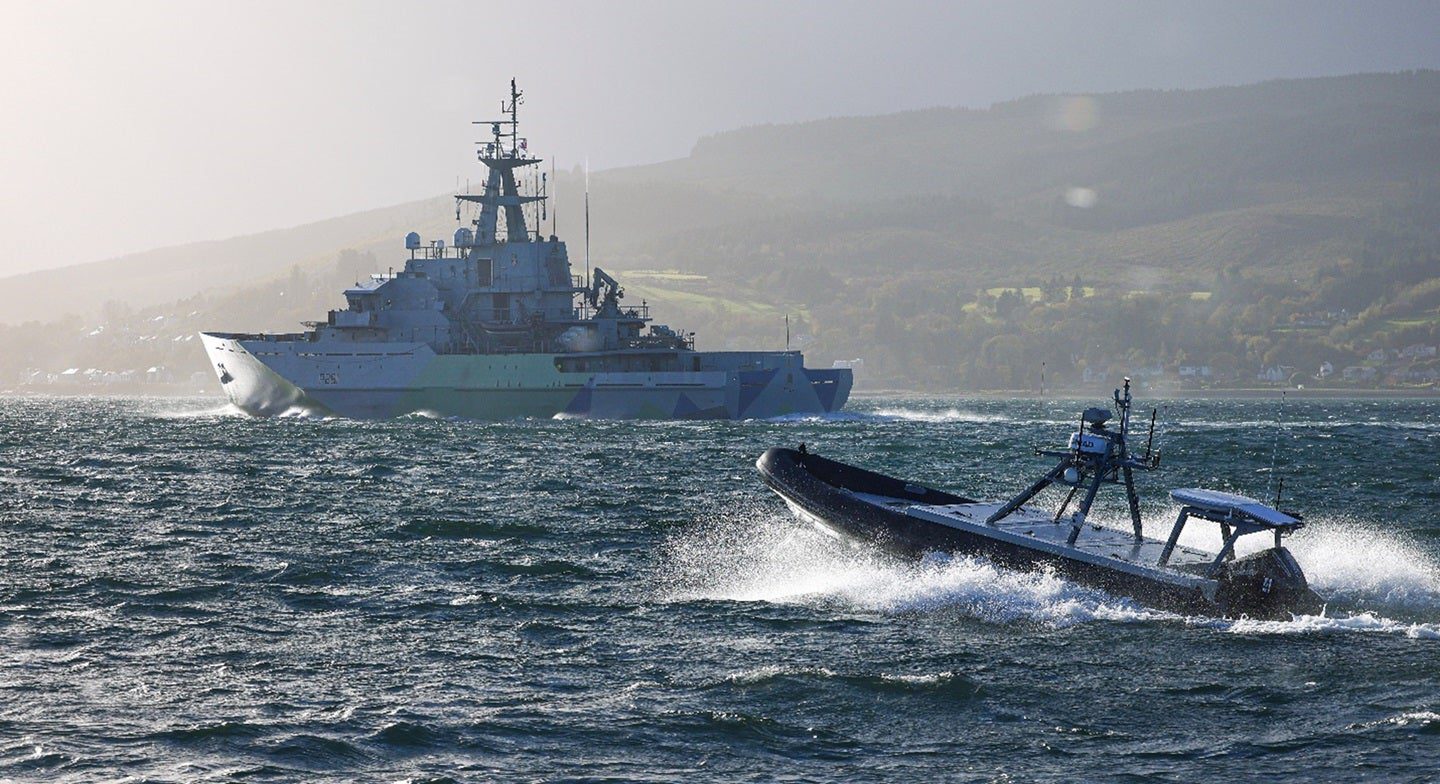
UK Turns to Uncrewed Maritime Vehicles (UMVs) to Sustain Rosyth Shipyard
In a bold move to secure the future of the Rosyth shipyard, the UK government is pivoting toward uncrewed maritime vehicles (UMVs) as a cornerstone of its hybrid navy strategy. This shift aims to maintain shipbuilding activity at the Scottish facility beyond the completion of the Type 31 frigate program in the early 2030s.
UMVs: The Future of UK Naval Strategy
Minister for Defence Readiness and Industry Luke Pollard emphasized the government’s commitment to integrating autonomous platforms with crewed vessels. “When Bulldog goes to sea, it’s likely she’ll have autonomous platforms alongside her,” he stated, highlighting the potential for UMVs to enhance lethality, survivability, and deterrence.
Strategic Defense Review and Market Growth
The 2023 Strategic Defence Review (SDR) called for a “cheaper and simpler fleet” bolstered by UMVs. GlobalData projects the global military UMV market will grow at 8.9% annually, driven by innovations like Ukraine’s use of drones to disrupt Russia’s Black Sea Fleet in 2024.
Babcock’s Role in the UMV Transition
Babcock, the UK’s primary naval contractor, is already collaborating with marine autonomy firms in the South West. Its proposed ARMOR Force concept envisions Type 31 frigates as command ships coordinating with smaller UMVs. This approach aligns with the SDR’s vision of a hybrid navy combining crewed, uncrewed, and autonomous systems.
Challenges and Opportunities
While the UK lacks a finalized UMV design, delays in the Defence Investment Plan (DIP) have raised concerns. The DIP, which outlines funding for defense programs over the next decade, remains unannounced. However, the government remains committed to leveraging UMVs to sustain Rosyth’s workforce and shipbuilding expertise.
Why This Matters for Defense Innovation
- Cost Efficiency: UMVs offer an affordable alternative to traditional warships.
- Operational Flexibility: Autonomous systems can perform high-risk missions without endangering personnel.
- Industrial Resilience: Sustaining Rosyth ensures the UK retains critical shipbuilding capabilities.
Conclusion: A Hybrid Navy for the Future
The UK’s embrace of UMVs marks a pivotal shift in naval strategy. By blending crewed and autonomous platforms, the Royal Navy aims to modernize its fleet while preserving shipbuilding jobs. As the market for UMVs expands, Rosyth’s role in this transition will be critical to the UK’s defense and industrial future.
Stay informed: Follow our blog for updates on defense technology and naval innovation.