
Introduction to the Discovery
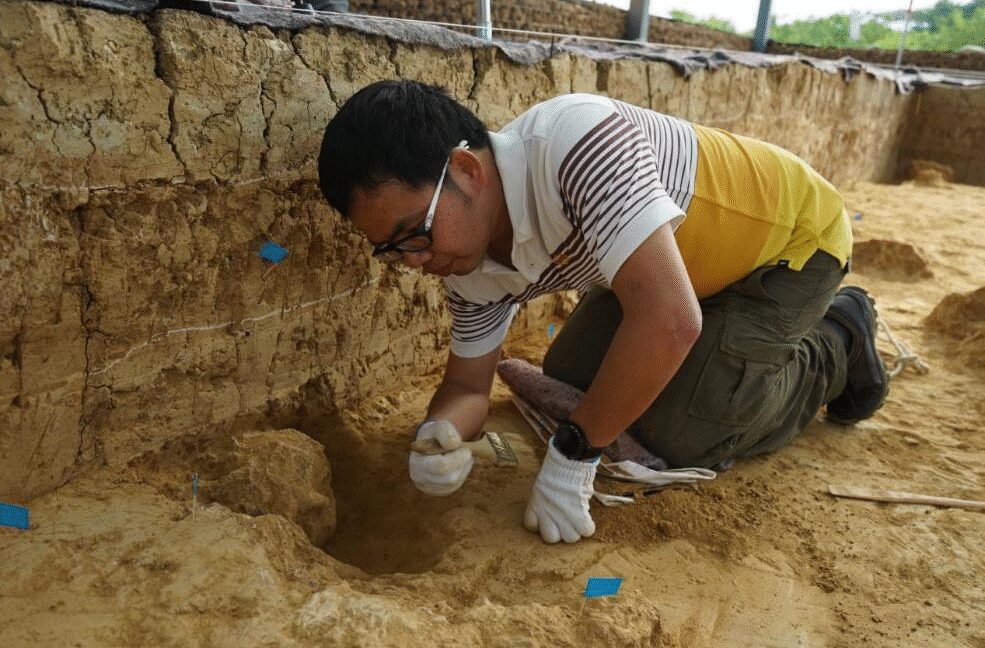
The recent discovery of ‘million-year-old’ fossil skulls in China has sent shockwaves through the scientific community. Initially thought to be around a million years old, these fossils have been found to be far older than previously believed. This revelation not only challenges our current understanding of human evolution but also sheds new light on the existence of other ancient species, such as the Denisovans.
The Significance of the Revised Age
The revised age of these fossil skulls may help make sense of 2-million-year-old stone tools found elsewhere in China. This connection could potentially rewrite the history of tool use and development in the region. The discovery also opens up new avenues for research into the lives and behaviors of ancient humans and their counterparts.
Technical Insights
- The fossil skulls were initially dated using a combination of paleomagnetic and biostratigraphic methods.
- Further analysis, including the use of advanced dating techniques, revealed that the fossils are significantly older than initially thought.
- The discovery of these ancient fossils and tools suggests a more complex and nuanced history of human evolution and technological development in the region.
- Researchers are now re-examining other findings in the area to better understand the context and implications of these discoveries.
Implications for Human Evolution and the Denisovans
The revelation that these fossil skulls are not from Denisovans, as might have been speculated, adds another layer of complexity to the story of human evolution. It suggests that there were other, as yet unidentified, human-like species present in the region at the time. This finding underscores the need for continued exploration and research into the history of our species and its interactions with others.
Conclusion and Future Directions
The discovery and redating of the fossil skulls in China mark a significant milestone in the field of paleoanthropology. As scientists continue to unravel the mysteries of these ancient remains, we may uncover even more surprising insights into the evolution of humanity and the existence of other ancient species. The connection between these fossils and the 2-million-year-old stone tools found in the same region offers a fascinating area of study that could potentially reshape our understanding of human history.








