
Introduction to Kimwolf and Badbox 2.0
The Kimwolf botnet, known for its invasive methods, has been making headlines recently. With over 2 million devices infected, it’s a force to be reckoned with. But what’s even more alarming is the recent discovery that the Kimwolf botmasters have gained access to the control panel of Badbox 2.0, a vast China-based botnet.
Understanding Kimwolf’s Spread
Kimwolf’s unique approach to spreading involves tricking residential proxy services into relaying malicious commands to vulnerable devices behind firewalls on local networks. This method has proven highly effective, with the majority of infected systems being unofficial Android TV boxes.
Badbox 2.0’s History and Operations
Badbox 2.0 has a storied history, dating back to 2023 when the original Badbox campaign was identified. The botnet primarily consists of Android operating system devices compromised with backdoor malware prior to purchase. In 2024, the original Badbox campaign was disrupted, but Badbox 2.0 emerged, engaging in advertising fraud with over ten million unsanctioned Android streaming devices.
Connecting the Dots Between Kimwolf and Badbox 2.0
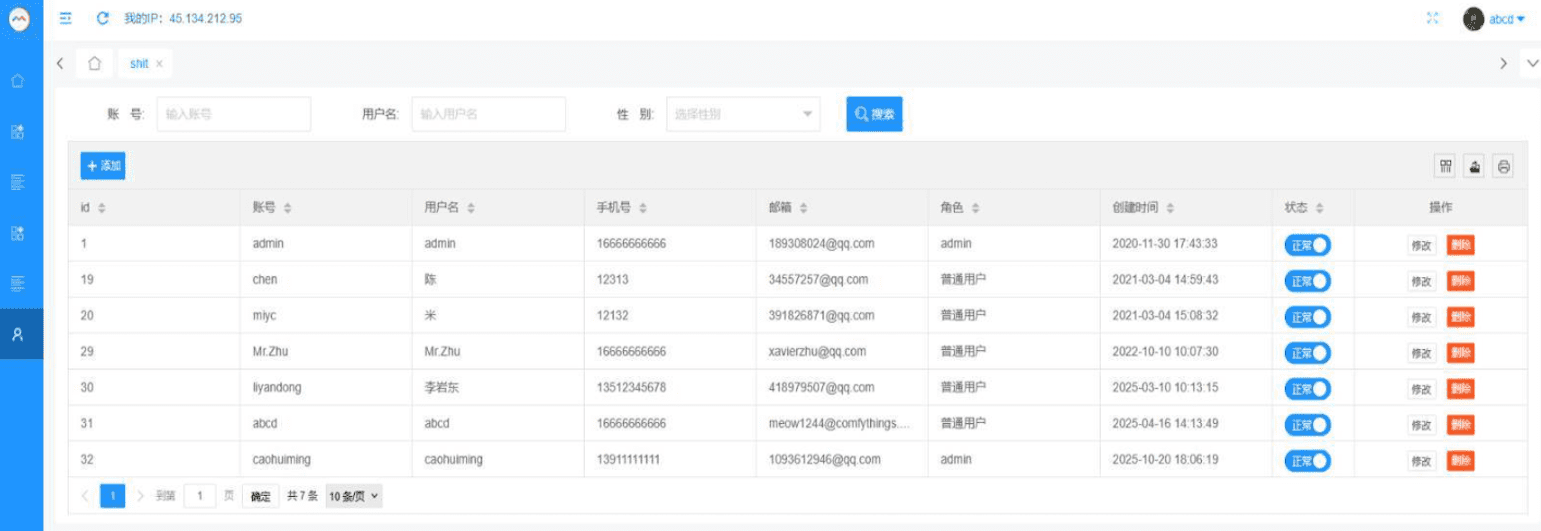
A screenshot shared by the Kimwolf botmasters appears to show them logged in to the Badbox 2.0 control panel. Investigating the email addresses listed in the screenshot reveals connections to China-based technology companies, including Beijing Hong Dake Wang Science & Technology Co Ltd. and Beijing Hengchuang Vision Mobile Media Technology Co. Ltd.
Identifying Key Players
Further investigation into the email addresses and domains associated with these companies points to individuals such as Chen Daihai and Zhu Zhiyu, who seem to be connected to the Badbox 2.0 botnet. Chen Daihai, in particular, appears to have a significant role, with links to multiple domains flagged as part of the Badbox 2.0 botnet.
Conclusion and Call to Action
The connection between Kimwolf and Badbox 2.0 is alarming, indicating a potentially massive botnet with significant capabilities for fraud and other malicious activities. As the investigation continues, it’s essential for users to be aware of the risks associated with unofficial Android TV boxes and to take steps to protect their devices and networks.
For those looking to safeguard their systems, here are some practical tips:
- Avoid purchasing devices from unknown or unverified sources.
- Regularly update your device’s software and security patches.
- Use strong, unique passwords for all accounts.
- Be cautious when downloading apps, especially from unofficial marketplaces.
Frequently Asked Questions
- Q: What is the Kimwolf botnet?
A: The Kimwolf botnet is a disruptive botnet that has infected over 2 million devices, primarily through unofficial Android TV boxes. - Q: What is Badbox 2.0?
A: Badbox 2.0 is a vast China-based botnet powered by malicious software that comes pre-installed on many Android TV streaming boxes. - Q: How can I protect my device from Kimwolf and Badbox 2.0?
A: By following the practical tips outlined above and being mindful of the sources from which you download apps and purchase devices. - Q: Are there any signs that my device has been infected?
A: Yes, look out for unusual activity, such as unexpected ads or slower performance. - Q: What is being done to stop Kimwolf and Badbox 2.0?
A: The FBI and Google are among those investigating and working to combat these botnets.








