What Happened When a Family Mistook an E-Moto for an Ebike?
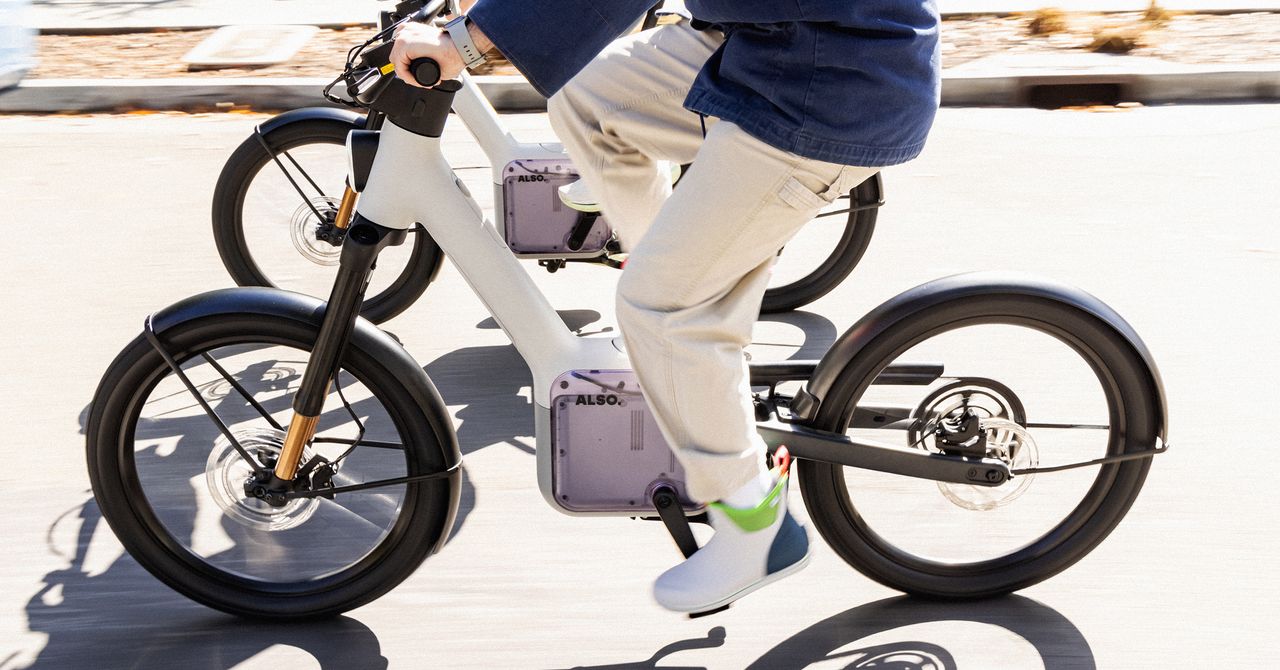
Imagine walking into a bike shop with a teenager’s “ebike” for a repair, only to be told it’s actually a motorcycle. That’s exactly what happened to a family in Pasadena, California. The mother was shocked to learn her purchase could hit 55 mph—a far cry from the 20-28 mph limit of legal ebikes. This confusion isn’t rare. In fact, it’s a growing problem driving California lawmakers to act.
Why the Confusion Matters
California’s Senate Bill 1167 aims to clarify what qualifies as an ebike versus a high-powered “e-moto.” The distinction isn’t just legal—it’s a safety issue. Between 2020 and 2024, ebike-related injuries surged by over 1,020%, with teens accounting for 20% of cases. Meanwhile, e-motos like the Surron Ultra Bee (55 mph) and Tuttio ICT (50 mph) are often mislabeled as bikes, bypassing registration and safety requirements.
Key Differences: Ebikes vs. E-Motos
- Ebikes: Must have functional pedals and motors under 750 watts, with top speeds between 20-28 mph.
- E-Motos: Lack pedals or exceed 750 watts, often reaching 30+ mph. These require registration, insurance, and rider licenses.
Senate Bill 1167: What It Would Change
Backed by the California Bicycle Coalition, SB 1167 bans retailers from labeling e-motos as ebikes. The bill also reinforces the three-class system for legal ebikes:
- Class 1: Pedal-assist only, up to 20 mph.
- Class 2: Throttle-assist, up to 20 mph.
- Class 3: Pedal-assist up to 28 mph (restricted to riders 16+ in many states).
Proponents argue this clarity protects teens and reduces injuries. Last year, 88% of electric two-wheelers at Bay Area schools violated these standards, often due to mislabeled e-motos.
Challenges for Retailers and Riders
Online sales complicate matters. Retailers like Pasadena Cyclery warn parents that e-motos are often marketed as “electric bikes” despite exceeding legal limits. The National Bicycle Dealers Association now advises members to avoid selling these vehicles until regulations are clearer.
What Advocates Are Saying
Senator Catherine Blakespear, who sponsored the bill, calls the issue “overdue for better regulation.” Kendra Ramsey of the California Bicycle Coalition adds, “People think they’re buying ebikes, but they’re not.” The goal isn’t to ban innovation but to ensure safety and accountability.
What This Means for You
If SB 1167 passes, retailers will face stricter labeling rules. Riders must verify their vehicle’s classification before hitting the road. For parents, the takeaway is simple: always check the specs before purchasing an electric bike.
5 FAQs About Ebike Regulations in California
- What’s the difference between an ebike and an e-moto? Ebikes have pedals and motors under 750 watts; e-motos exceed these limits and require registration.
- Can teens ride ebikes legally? Yes, but Class 3 ebikes (up to 28 mph) are often restricted to riders 16+.
- Why are e-motos dangerous? They’re faster, lack safety features, and often bypass licensing requirements.
- How will Senate Bill 1167 help? It bans mislabeling and clarifies legal definitions to reduce confusion and injuries.
- Where can I find legal ebike options? Look for Class 1-3 models at certified retailers, and always verify motor wattage and speed limits.
Stay Informed, Ride Safely
As California moves to clarify ebike laws, staying informed is key. Whether you’re a rider, parent, or retailer, understanding the rules protects everyone on the road. Share this guide to help others avoid the e-moto trap—and ride responsibly.