
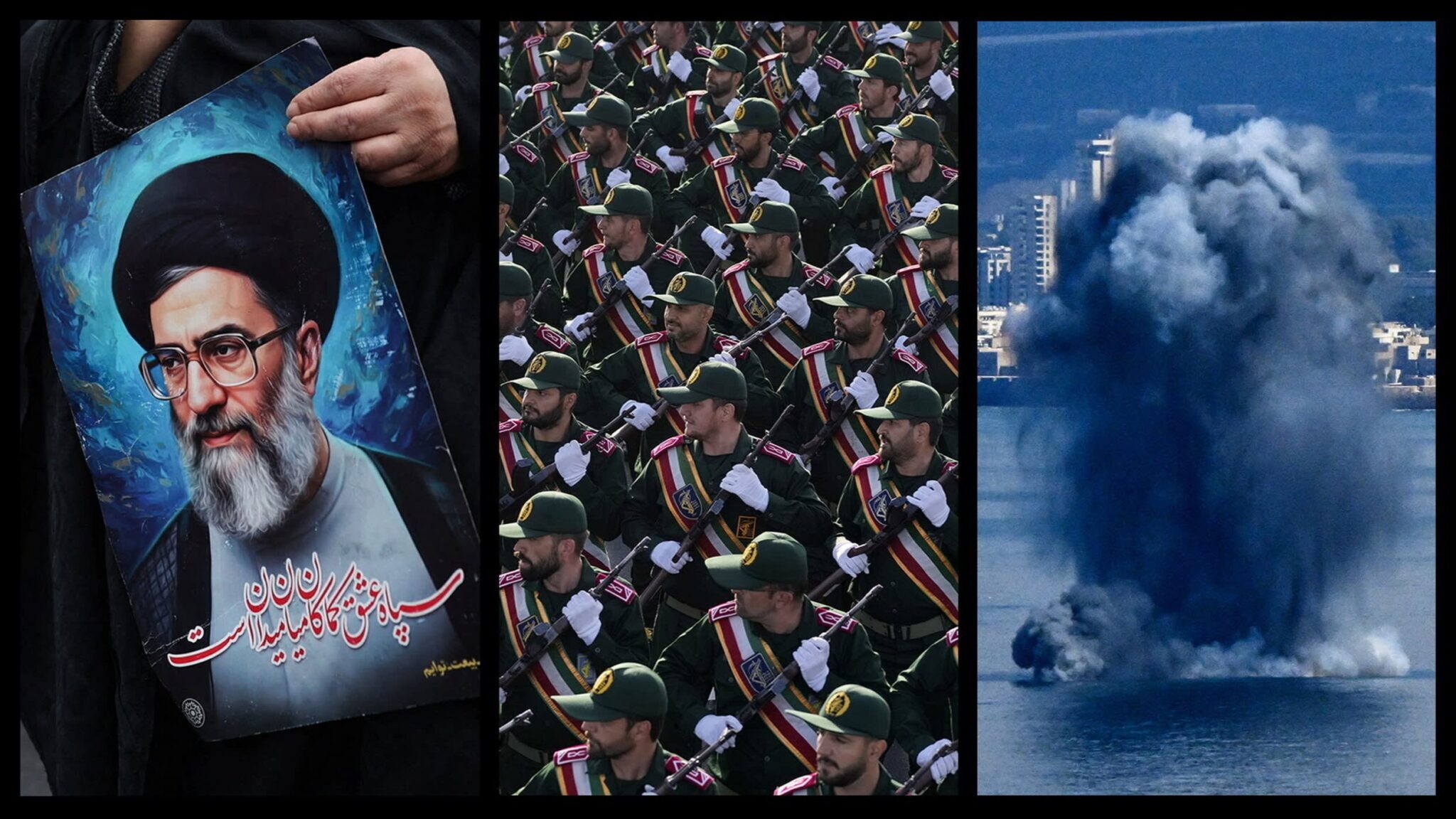
Introduction: The Evolving Iranian Military Approach
In recent months, Iran’s military strategy has shifted dramatically, raising global concerns about regional stability. As tensions escalate, understanding the core elements of this strategy becomes critical for policymakers, businesses, and global citizens. This article breaks down Iran’s tactics, their implications, and how the world is responding.
Key Elements of Iran’s Military Strategy
1. Asymmetric Warfare Tactics
Iran has long relied on asymmetric warfare to counter technologically superior adversaries. This includes:
- Guerrilla-style attacks on U.S. and allied forces
- Support for proxy groups like Hezbollah and Hamas
- Use of drones and cyberattacks for strategic disruption
2. Economic Leverage
Iran’s strategy extends beyond military action. By targeting global energy markets through the Strait of Hormuz, they aim to:
- Disrupt 20% of global oil exports
- Force economic concessions from Western nations
- Strengthen ties with non-aligned countries
Regional Implications and Global Responses
1. Gulf Security Concerns
Neighboring Gulf states are scrambling to bolster defenses. Saudi Arabia and the UAE have:
- Increased military spending by 15-20%
- Formed new defense pacts with the U.S.
- Invested in AI-powered surveillance systems
2. International Diplomacy
Global powers are adopting mixed approaches:
- U.S.: Strengthening Middle East troop presence
- China: Expanding trade routes to bypass Gulf chokepoints
- EU: Pushing for UN Security Council resolutions
Future Outlook and Strategic Predictions
Experts predict three potential scenarios:
- Escalation: Full-scale conflict with Israel or the U.S.
- Containment: Diplomatic freeze with limited military action
- Normalization: Gradual de-escalation through economic incentives
Conclusion: Staying Informed in a Shifting Landscape
Iran’s military strategy remains a complex puzzle with global consequences. By understanding these patterns, individuals and organizations can better prepare for potential disruptions. For real-time updates and expert analysis, follow trusted news sources and geopolitical analysis platforms.








