
Underwater Data Centers: The Future of AI Infrastructure?
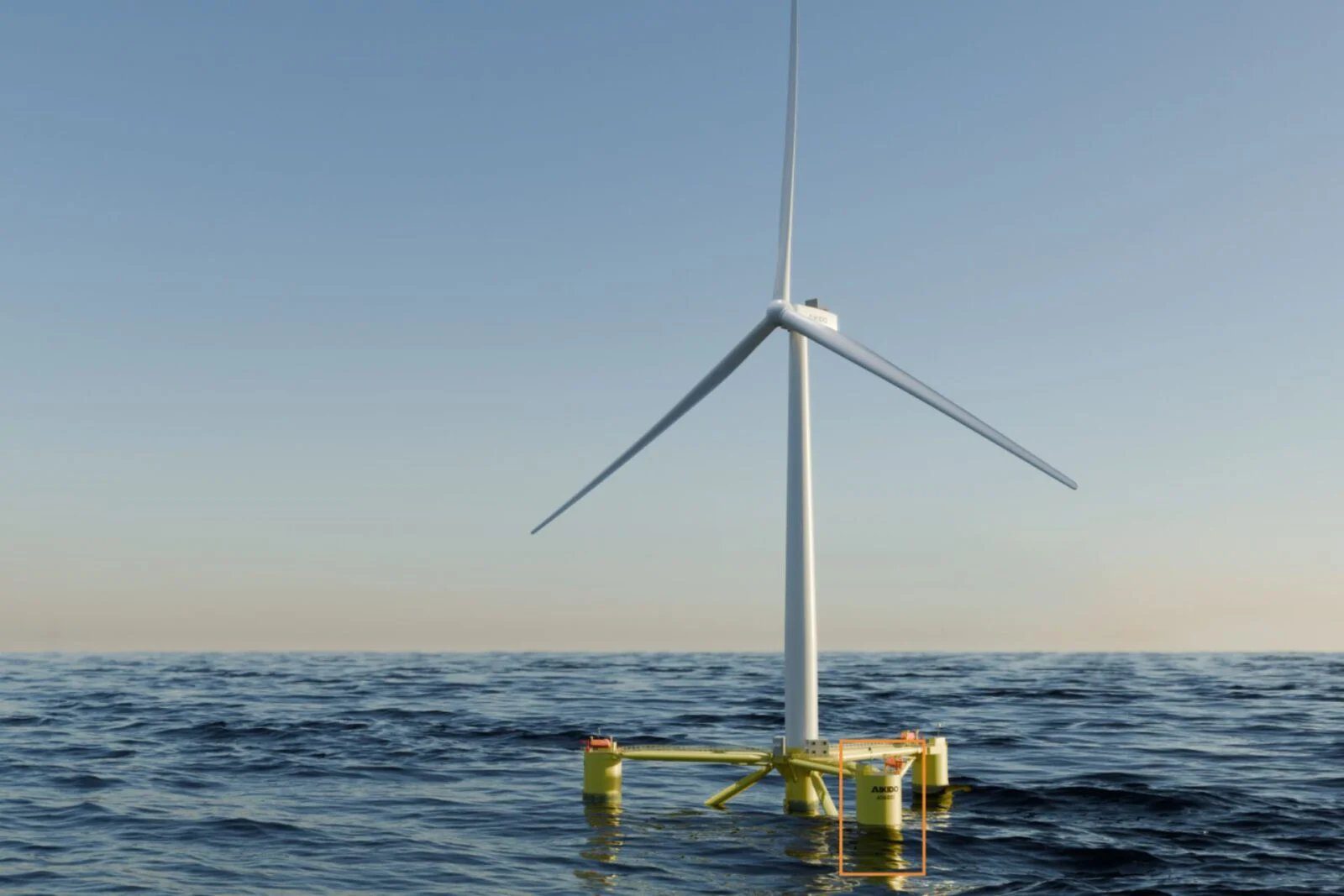
While space-based data centers dominate headlines, a more accessible solution may lie beneath the ocean. Offshore wind developer Aikido Technologies is pioneering a bold approach: submerging data centers in the North Sea. This innovative strategy leverages renewable energy and natural cooling to meet the surging demand for AI infrastructure.
The Rise of Underwater Data Centers
Aikido Technologies plans to launch a 100-kilowatt demonstration data center off Norway’s coast in 2024. The unit will be housed in a submerged pod beneath a wind turbine, anchored to the seabed. Power will come directly from the turbine, while fiber-optic cables will transmit data. If successful, the company aims to scale up to 10-12 megawatts by 2028 near the UK.
Why the Ocean is a Viable Option
- Renewable Energy: Offshore wind farms generate up to five times more energy than onshore sites, with consistent winds in the North Sea.
- Natural Cooling: Seawater eliminates the need for energy-intensive cooling systems, reducing operational costs.
- Scalability: Modular designs allow for rapid expansion as demand grows.
Lessons from Microsoft’s Project Natick
Aikido isn’t the first to explore underwater data centers. Microsoft’s 2018 Project Natick deployed a submerged unit near the Orkney Islands. The trial saw only six server failures over two years, proving the concept’s feasibility. However, the project was discontinued in 2024, highlighting the challenges of maintaining underwater infrastructure.
Key Challenges
Despite early success, underwater data centers face hurdles. Maintenance in deep-sea environments is complex and costly. Additionally, regulatory frameworks for offshore infrastructure are still evolving. Companies must balance innovation with environmental impact assessments to ensure long-term viability.
Space vs. Ocean: Which is More Feasible?
Elon Musk and SpaceX have championed space-based data centers, but experts agree such projects are years from being cost-effective. Meanwhile, China’s government-backed aerospace sector is also exploring orbital digital infrastructure. However, the ocean offers immediate advantages: existing offshore wind infrastructure, proven cooling methods, and proximity to coastal populations.
Energy Demand and AI’s Role
Goldman Sachs estimates 42 gigawatts of new data center capacity will be needed by 2030. OpenAI alone could require 10 gigawatts for its Stargate project. Underwater centers could help bridge this gap, particularly as AI workloads drive energy consumption to double by 2030.
Conclusion: A Sustainable Path Forward
Underwater data centers represent a promising solution to the AI infrastructure crisis. By harnessing offshore wind and natural cooling, companies like Aikido are redefining sustainability in tech. While challenges remain, the ocean’s vast potential makes it a compelling alternative to space-based or landlocked facilities.
Ready to stay ahead of the tech curve? Subscribe to our newsletter for insights on emerging innovations like underwater data centers.
FAQs
1. What are the main advantages of underwater data centers?
Underwater data centers benefit from renewable energy sources like offshore wind and natural cooling from seawater, reducing operational costs and environmental impact.
2. How does Aikido Technologies plan to scale its underwater data centers?
Aikido aims to expand from a 100-kilowatt demonstration unit in Norway to a 10-12 megawatt facility in the UK by 2028, leveraging existing offshore wind infrastructure.
3. What challenges do underwater data centers face?
Maintenance in deep-sea environments, regulatory hurdles, and high upfront costs are key challenges. However, modular designs and existing offshore wind farms help mitigate these risks.
4. How do underwater data centers compare to space-based solutions?
While space-based centers capture imagination, underwater solutions are more immediately feasible. The ocean offers existing infrastructure and proven cooling methods, making them a practical near-term option.
5. What role will AI play in underwater data center adoption?
AI’s energy demands will drive the need for scalable, sustainable infrastructure. Underwater centers could meet this demand by providing renewable-powered, high-capacity solutions.








