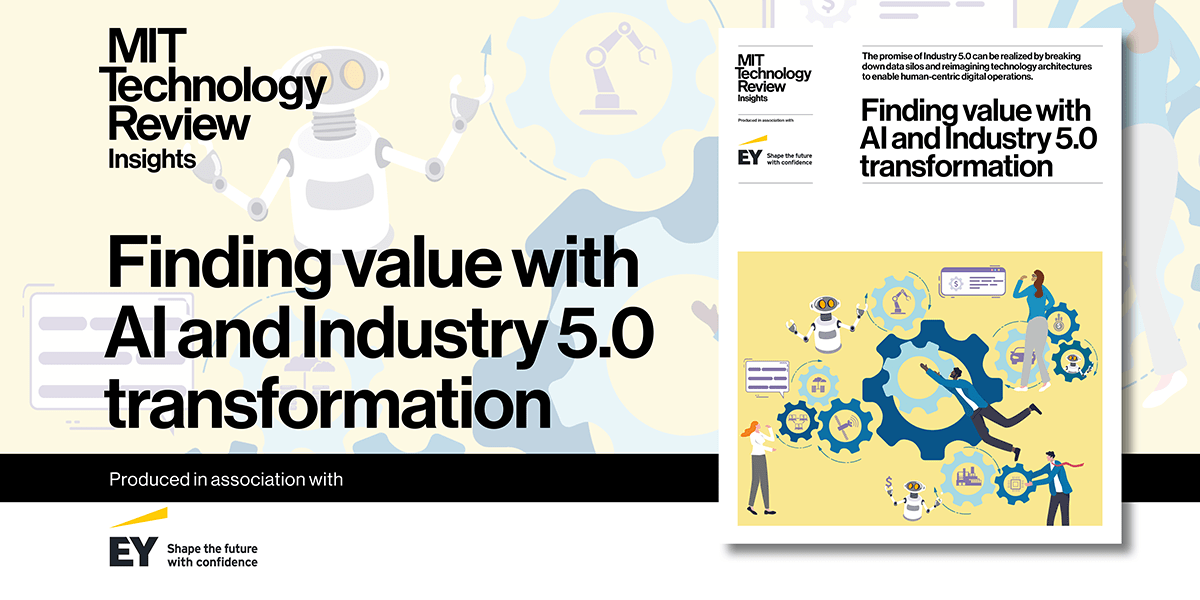
Unlocking Industry 5.0 Value with AI Integration
Imagine a world where machines don’t just automate tasks but collaborate with humans to solve complex problems, enhance sustainability, and create new business models. This is the promise of Industry 5.0 transformation, a paradigm shift that redefines the relationship between technology and humanity. By integrating AI with human-centric strategies, organizations can break data silos, optimize operations, and unlock unprecedented value. But how do companies navigate this transition effectively? Let’s explore the challenges, opportunities, and actionable steps to harness Industry 5.0’s potential.
What Is Industry 5.0 and Why Does It Matter?
Industry 5.0 builds on the foundations of Industry 4.0—cloud computing, IoT, robotics, and AI—but shifts focus from automation to augmentation. It emphasizes collaboration between humans and machines to achieve sustainability, resilience, and growth. Unlike its predecessor, Industry 5.0 prioritizes human well-being and environmental impact alongside efficiency. This evolution is critical for businesses aiming to thrive in a rapidly changing global economy.
Key Drivers of Industry 5.0 Success
- Human-Centric Design: Technology must enhance human capabilities, not replace them.
- Data Integration: Breaking silos enables real-time decision-making and innovation.
- Strategic Alignment: Investments must align with long-term growth and sustainability goals.
Barriers to Industry 5.0 Transformation
Despite its potential, many organizations struggle to realize Industry 5.0’s benefits. A recent MIT Technology Review Insights survey of 250 industry leaders revealed three major obstacles:
Cultural and Collaboration Challenges
Legacy mindsets and fragmented teams hinder progress. For example, departments may prioritize short-term efficiency over cross-functional collaboration. As Sachin Lulla, EY Americas industrials and energy transformation leader, notes: “To realize Industry 5.0, companies must move beyond cost and efficiency to focus on growth, resilience, and human-centric outcomes.”
Misaligned Technology Investments
Many companies invest in digital tools without a clear roadmap. Chris Ware of Rio Tinto warns: “We’re not just doing digital work for work’s sake. Every domain needs a unique roadmap to deliver value.” Tactical fixes often fail to address systemic issues, leading to wasted resources.
Overemphasis on Efficiency
While efficiency remains important, it’s not the sole driver of value. Sustainable and human-centric use cases—like reducing carbon footprints or improving worker safety—often yield higher returns but are underfunded. The key is balancing efficiency with innovation and ethical considerations.
Strategies for Successful Industry 5.0 Adoption
Organizations can overcome these barriers by adopting a structured approach. Here are three actionable strategies:
1. Reimagine Technology Architectures
Modernize infrastructure to enable seamless data flow across departments. For instance, cloud platforms and AI-driven analytics can unify disparate systems, providing a holistic view of operations. This empowers teams to identify inefficiencies and opportunities for innovation.
2. Foster Human-Centric Workflows
Design processes that prioritize employee well-being and creativity. For example, AI can automate repetitive tasks, freeing workers to focus on strategic problem-solving. Training programs should emphasize collaboration between humans and machines, ensuring both complement each other’s strengths.
3. Measure Value Beyond Financial Metrics
Track outcomes like employee satisfaction, carbon reduction, and customer engagement. As Lulla emphasizes, “Value is measured not just in dollars saved, but in new opportunities created.” This shift in metrics ensures long-term resilience and stakeholder trust.
Real-World Examples of Industry 5.0 in Action
Leading companies are already leveraging Industry 5.0 principles to drive growth. For example:
- Rio Tinto: Uses AI to optimize mining operations while prioritizing worker safety and environmental sustainability.
- EY: Helps clients integrate digital tools with human-centric strategies to enhance decision-making and innovation.
Conclusion: The Future Is Human-Centric
Industry 5.0 isn’t just about adopting new technologies—it’s about redefining how organizations operate. By breaking down silos, fostering collaboration, and aligning investments with human and environmental goals, businesses can unlock transformative value. The time to act is now. Start by auditing your current strategies, identifying gaps, and investing in solutions that prioritize people and planet alongside profit.
Download the full report to learn how your organization can accelerate Industry 5.0 adoption and stay ahead of the curve.
FAQs
- How does Industry 5.0 transformation enhance human-centric operations? It prioritizes collaboration between humans and machines, ensuring technology augments rather than replaces human capabilities.
- What role does AI play in Industry 5.0? AI optimizes decision-making, automates repetitive tasks, and enables real-time data analysis for sustainable growth.
- Why is breaking data silos critical for Industry 5.0? Unified data allows cross-functional teams to identify inefficiencies and innovate more effectively.
- How can companies measure the success of Industry 5.0 initiatives? Track metrics like employee engagement, carbon footprint reduction, and customer satisfaction alongside financial performance.
- What are common pitfalls in Industry 5.0 adoption? Overemphasis on efficiency, misaligned technology investments, and cultural resistance to change.