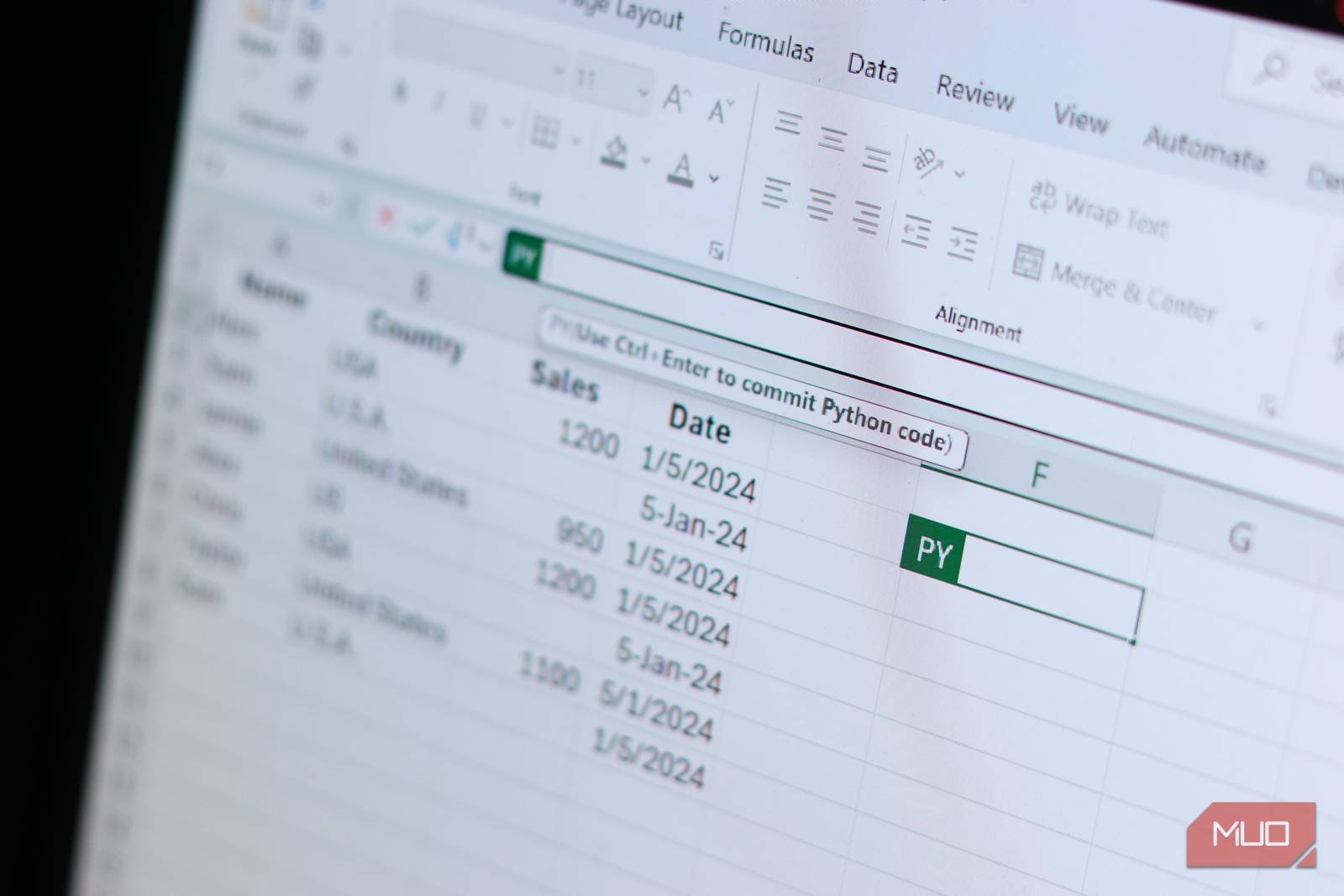
Introduction to Python in Excel
Meanwhile, many Excel users are unaware that they can leverage Python for data cleaning. Additionally, Python’s simplicity makes it accessible to non-coders. For example, with a few lines of code, you can automate tedious data cleaning tasks.
Getting Started with Python in Excel
However, before diving into Python, ensure you have the necessary tools. Therefore, install the necessary add-ins and libraries, such as xlwings or pywin32. Meanwhile, these tools will enable you to interact with Excel from Python.
Additionally, Python’s pandas library is particularly useful for data manipulation. For instance, you can use it to handle missing data, remove duplicates, and perform data normalization.
Practical Applications of Python in Excel
Finally, let’s explore some practical applications of Python in Excel. Meanwhile, here are a few examples:
- Data cleaning and preprocessing
- Data visualization and reporting
- Automating repetitive tasks
Furthermore, with Python, you can automate tasks such as data entry, formatting, and even chart creation. Therefore, this can save you a significant amount of time and increase productivity.
Conclusion and Next Steps
In conclusion, Python is a powerful tool for data cleaning in Excel. However, to get started, you need to install the necessary tools and libraries. Meanwhile, practice and experimentation are key to mastering Python in Excel.
Additionally, if you’re interested in learning more, here are some next steps:
- Explore online resources and tutorials
- Practice with sample datasets
- Join online communities for support and feedback