
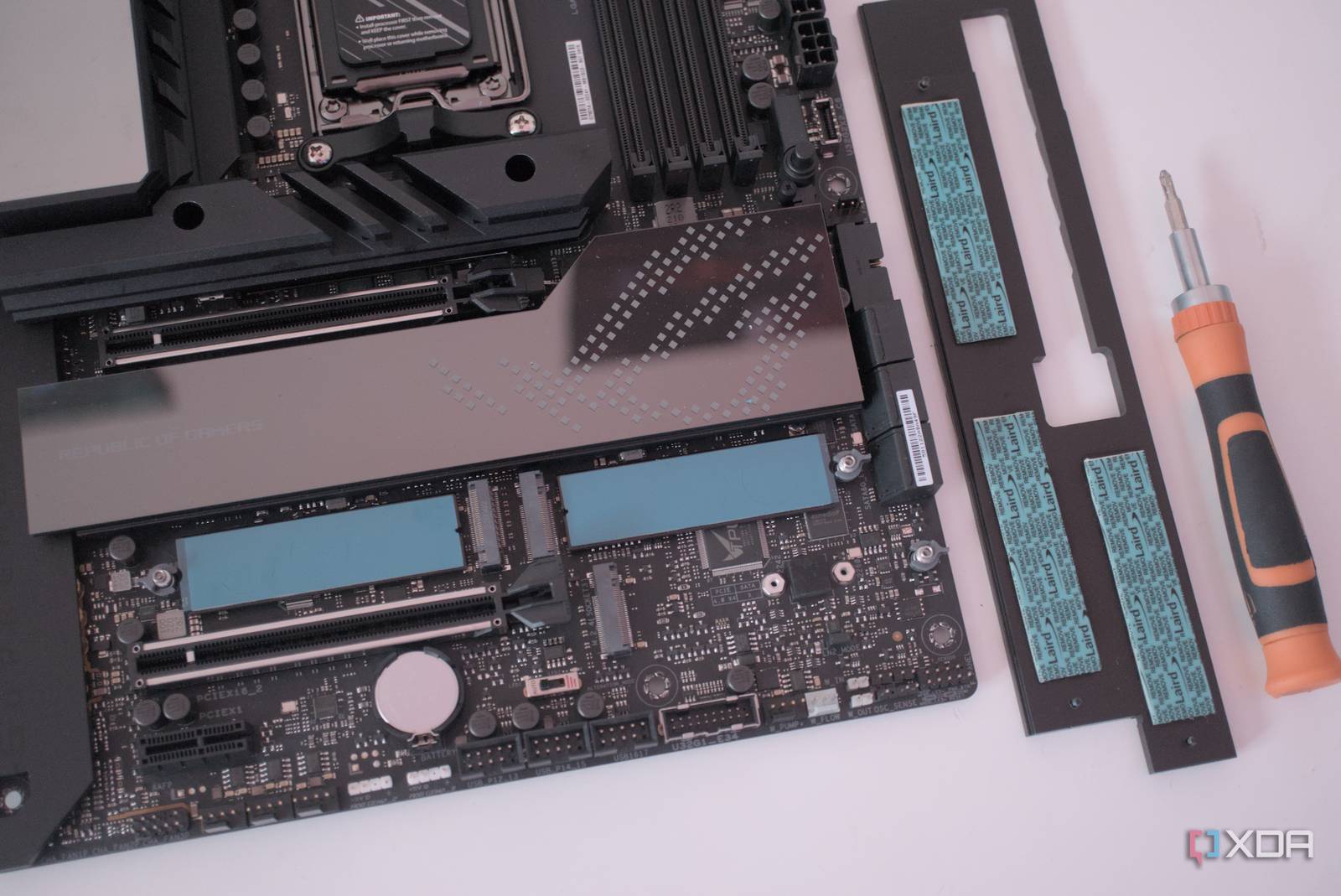
Introduction to M.2 Slots
When building or upgrading a PC, one component that often gets overlooked is the motherboard’s M.2 slots. However, these slots are not just limited to holding SSDs. Meanwhile, they can also be used for other peripherals, thereby enhancing the overall performance and functionality of your system. For example, some motherboards come with multiple M.2 slots, which can be utilized for Wi-Fi modules, capture cards, or even SATA SSDs.
What are M.2 Slots and Their Uses?
M.2 slots are small expansion slots on a motherboard that support various types of devices, including SSDs, Wi-Fi modules, and capture cards. Additionally, they can also be used for SATA SSDs, thereby providing more storage options. Therefore, it is essential to understand the different types of M.2 devices and their uses to maximize the potential of these slots.
Types of M.2 Devices
There are several types of M.2 devices available, including SSDs, Wi-Fi modules, capture cards, and SATA SSDs. Furthermore, some motherboards also support other types of M.2 devices, such as Bluetooth modules or Ethernet cards. However, it is crucial to check the specifications of your motherboard to determine which types of M.2 devices are supported.
Benefits of Using Extra M.2 Slots
Using extra M.2 slots on your motherboard can provide several benefits, including increased storage capacity, improved performance, and enhanced functionality. For instance, adding an SSD to an empty M.2 slot can significantly improve the loading times of applications and games. Meanwhile, installing a Wi-Fi module can provide a more reliable and faster internet connection.
Practical Tips for Using Extra M.2 Slots
To get the most out of your extra M.2 slots, it is essential to follow some practical tips. Firstly, ensure that you check the specifications of your motherboard to determine which types of M.2 devices are supported. Secondly, consider the compatibility of the M.2 device with your system. Finally, follow the installation instructions carefully to avoid any damage to the device or the motherboard.
Conclusion
In conclusion, extra M.2 slots on your motherboard are not just limited to holding SSDs. However, they can also be used for other peripherals, thereby enhancing the overall performance and functionality of your system. Therefore, it is essential to understand the different types of M.2 devices and their uses to maximize the potential of these slots. By following the practical tips outlined above, you can unlock the full potential of your extra M.2 slots and take your PC to the next level.
Frequently Asked Questions
Here are some frequently asked questions about M.2 slots:
- What is an M.2 slot, and what is it used for? An M.2 slot is a small expansion slot on a motherboard that supports various types of devices, including SSDs, Wi-Fi modules, and capture cards.
- Can I use an M.2 slot for a SATA SSD? Yes, some motherboards support SATA SSDs in their M.2 slots, thereby providing more storage options.
- How do I install an M.2 device? To install an M.2 device, follow the instructions provided with the device, and ensure that you handle the device carefully to avoid any damage.
- What are the benefits of using extra M.2 slots? Using extra M.2 slots can provide several benefits, including increased storage capacity, improved performance, and enhanced functionality.
- Can I use an M.2 slot for a Wi-Fi module? Yes, some motherboards support Wi-Fi modules in their M.2 slots, thereby providing a more reliable and faster internet connection.








