
Introduction to Big Data for Good
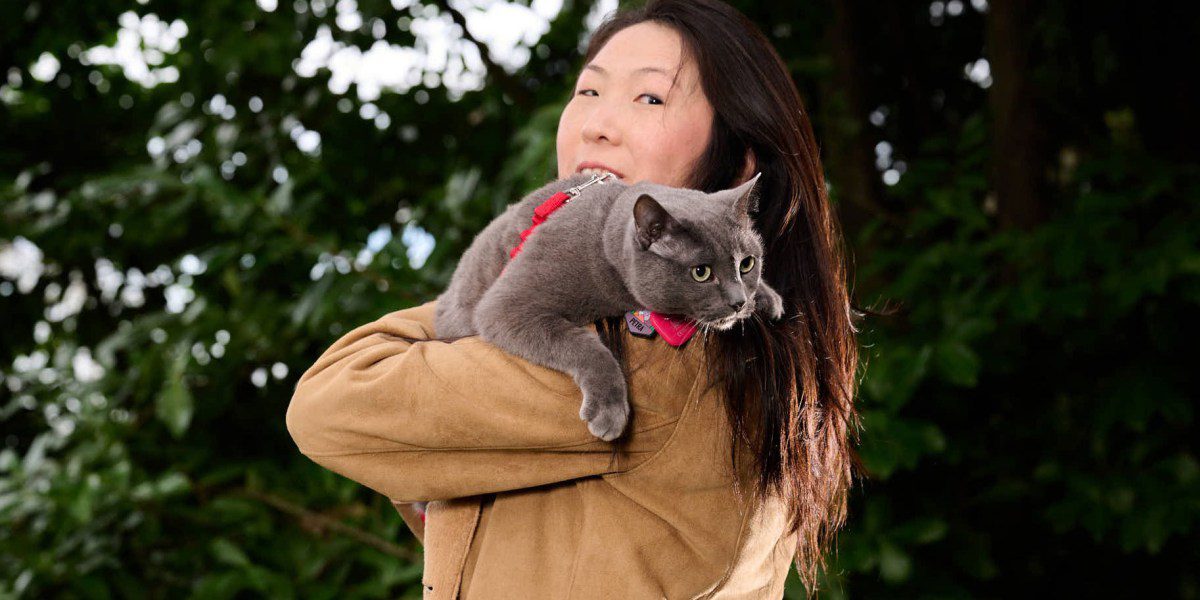
Charlie Lieu, a data expert and serial entrepreneur, has dedicated her career to harnessing the power of big data to improve the world. With a background in working on the Human Genome Project at the Broad Institute, Lieu has been at the forefront of leveraging massive data sets to drive scientific breakthroughs. Her latest endeavor, Darwin’s Ark, a community science nonprofit focused on pet genetics, is a testament to her commitment to using data for the greater good.
The Genesis of Darwin’s Ark
Lieu’s journey with Darwin’s Ark began when she reconnected with her former colleague, Elinor K. Karlsson, who had transitioned from working on the Human Genome Project to animal genetics. Karlsson was struggling to collect large-scale genomic data, and Lieu saw an opportunity to combine her expertise in big data platforms with Karlsson’s research. The result was the creation of Darwin’s Ark, an innovative platform that enables pet owners to contribute to scientific research by sharing data about their pets.
Revolutionizing Pet Genetics and Beyond
Darwin’s Ark has made significant strides in the field of pet genetics, with over 67,000 cats and dogs enrolled in its database. By pairing DNA data with extensive behavioral information collected from pet owners, the organization is unlocking new insights into pet health and behavior. One notable discovery is that only 9% of variations in dog behavior can be predicted by breed, challenging common stereotypes about certain breeds. This research has far-reaching implications, from debunking misconceptions about breeds like pit bulls to informing strategies for improving pet adoption rates.
The Human Connection: Advancing Cancer Research
Lieu’s work with Darwin’s Ark is not limited to pet genetics; it also has the potential to benefit human health. By studying the links between human and animal cancers, researchers can gain valuable insights into the development and treatment of complex diseases. Lieu’s experience working on the Human Genome Project and her personal connection to cancer research (her mother passed away from cancer, and she has had multiple tumors removed) have driven her passion for finding innovative solutions to these challenges.
Breaking Down Barriers in Data Collection
One of the significant hurdles in human medical research is collecting extensive data while maintaining patient privacy. Darwin’s Ark has successfully overcome this obstacle by engaging pet owners in the data collection process. By leveraging the strong bond between humans and their pets, the organization has created a platform that encourages individuals to share information about their pets, ultimately contributing to groundbreaking research.
Expanding Horizons: Cats, Conservation, and Beyond
In 2024, Darwin’s Ark expanded its focus to include cats, and the organization has made notable progress in developing new methods for extracting DNA from feline samples. By using shed fur or hair, researchers can collect DNA without causing distress to the animals. This breakthrough has significant implications for conservation efforts, where collecting DNA from endangered or sensitive species can be challenging. The potential for using naturally shed hair to unlock new frontiers in conservation is vast and exciting.
Open-Access Data for the Greater Good
Lieu and Karlsson’s decision to structure Darwin’s Ark as a nonprofit and make its data available for free to researchers is a testament to their commitment to advancing scientific knowledge. By sharing sequence data in public repositories, the organization is facilitating collaboration and driving progress in various fields, from pet genetics to human health and conservation.
Conclusion: The Power of Big Data for Good
Charlie Lieu’s work with Darwin’s Ark is a shining example of how big data can be harnessed for the greater good. By leveraging the power of community-driven research and open-access data, Lieu and her team are pushing the boundaries of scientific knowledge and driving innovation in pet genetics, cancer research, and conservation. As the organization continues to grow and evolve, its impact is likely to be felt far beyond the realm of pet owners and researchers, ultimately contributing to a better understanding of our world and our place within it.








