
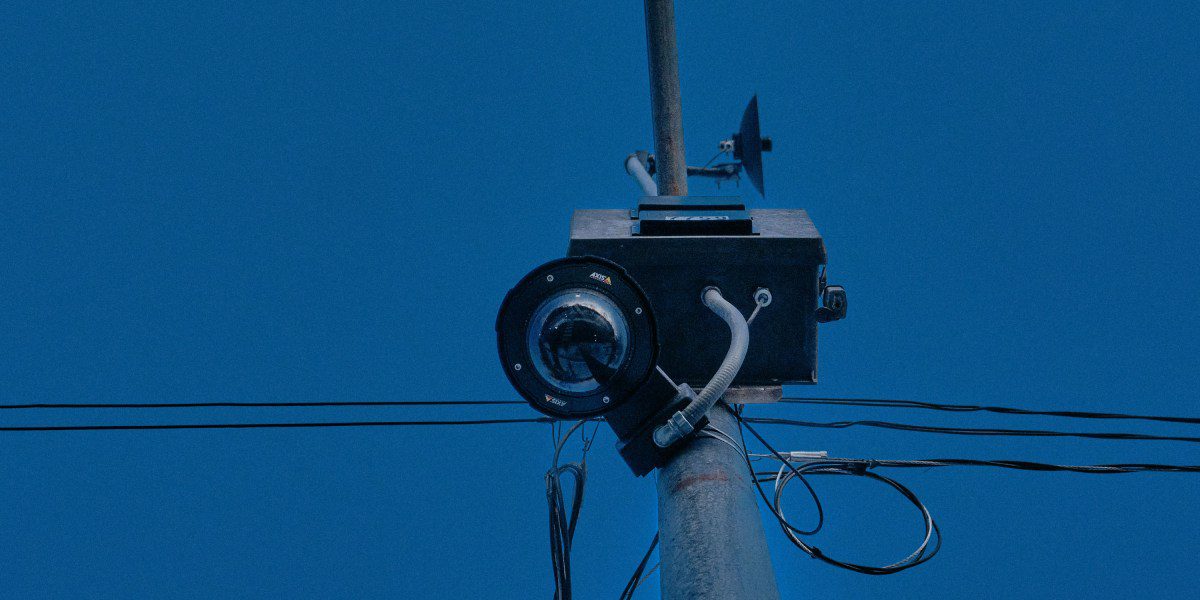
Introduction to Chicago’s Surveillance System
In the wake of the horrific mass shooting on a Chicago Transit Authority Blue Line train on September 2, 2024, the city’s surveillance network was swiftly activated. This digital dragnet, connecting thousands of cameras across the city, played a crucial role in the immediate response and subsequent investigation. The shooting, which resulted in the loss of four lives, highlights the importance and the controversies surrounding such an extensive surveillance system.
The Extent of Chicago’s Surveillance
Chicago’s surveillance network is one of the most comprehensive in the United States. With cameras installed at virtually every corner, the city’s ability to monitor and respond to crime has been significantly enhanced. However, this level of surveillance also raises questions about privacy and the potential for misuse of the collected data.
The Role of Surveillance in Crime Prevention and Investigation
The activation of the surveillance network following the Blue Line train shooting demonstrates its critical role in both preventing and investigating crimes. By providing real-time footage, these cameras can help identify perpetrators, track their movements, and ultimately lead to their apprehension. Moreover, the presence of such an extensive surveillance system can deter potential criminals, knowing their actions are likely to be captured on camera.
Balancing Security with Privacy Concerns
While the benefits of Chicago’s surveillance panopticon in enhancing security are undeniable, it also poses significant challenges in terms of individual privacy. Citizens are continually being watched, and the data collected can be sensitive. There is a growing concern about how this data is stored, who has access to it, and under what circumstances it can be used. Striking a balance between security needs and privacy rights is essential for the ethical operation of such a system.
Technological Advancements and Future Implications
Advancements in technology are continuously improving the capabilities of surveillance systems. Facial recognition software, for instance, can identify individuals in crowds, potentially preventing crimes before they happen. However, these technologies also introduce new ethical dilemmas, such as the potential for racial bias in facial recognition algorithms and the expansion of surveillance into new areas of public life.
Public Awareness and Participation
Raising public awareness about the existence, extent, and implications of surveillance systems is crucial. Citizens should be informed about how their data is used and what protections are in place to prevent abuse. Furthermore, public participation in discussions about the future of surveillance can help ensure that these systems serve the community’s needs while respecting individual rights.








