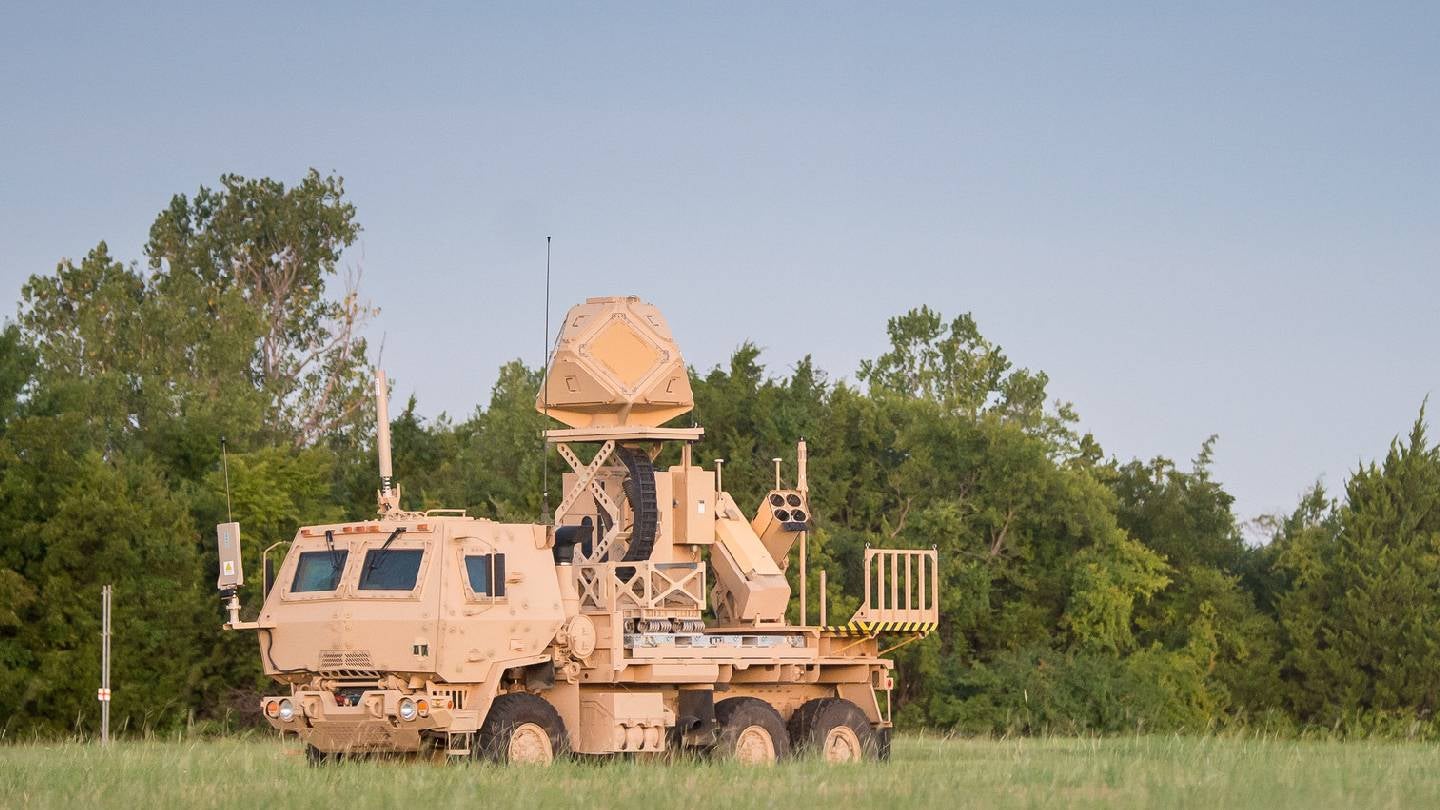
US Approves $280M KuMRFS Radar Sale to Jordan
The US Department of State has greenlit a $280 million Foreign Military Sale (FMS) of Ku band multi-function radio frequency system (KuMRFS) radars to Jordan. This deal, led by RTX Missile Defense Technologies as the principal contractor, aims to bolster Jordan’s defense capabilities against emerging threats like drones, rockets, and artillery fire.
What Is the KuMRFS Radar System?
The KuMRFS radar, also known as the Ku-band Radio Frequency System (KuRFS), is a 360-degree surveillance system designed to detect and track low-altitude threats. Developed by Raytheon (a subsidiary of RTX), it provides rapid deployment—within 30 minutes—on fixed sites or mobile platforms. The system integrates with defensive weapons such as the Phalanx Weapon System, 50-caliber guns, and high-energy lasers to neutralize threats effectively.
Key Features of the KuMRFS Radar
- 360-degree coverage for comprehensive threat detection
- Deployable in 30 minutes on fixed or mobile platforms
- Integration with weapon systems like Coyote and Phalanx
- Counter-UAS capabilities for drone defense
What’s Included in the $280M FMS Package?
The sale includes:
- KuMRFS radars and command-and-control systems
- Generators, GPS receivers, and spare parts
- Technical manuals and training devices
- Logistics support and program management reviews
- Contractor and US Government technical services
Strategic Implications for Jordan and the US
This transaction strengthens Jordan’s ability to counter regional threats while supporting US Central Command (CENTCOM) operations. The State Department emphasized that the sale aligns with US foreign policy goals, enhancing security for a key non-NATO ally in the Middle East.
Why This Deal Matters
Raytheon’s KuRFS technology has been battle-tested in Iraq and Afghanistan, proving its reliability in high-stakes environments. For Jordan, the system offers a scalable solution to address asymmetric threats, from mortar fire to drones. Meanwhile, the US gains a strategic partner capable of maintaining stability in a volatile region.
Raytheon’s Role in the FMS
As the principal contractor, RTX Missile Defense Technologies will oversee system integration, training, and logistics. The company’s expertise in radar systems ensures seamless deployment and long-term operational readiness for Jordanian forces.
Conclusion: A Win-Win for Defense and Diplomacy
The $280 million FMS deal underscores the US commitment to regional security and Jordan’s critical role in Middle Eastern stability. By equipping Jordan with cutting-edge radar technology, the US reinforces a strategic alliance while addressing shared security challenges. Stay informed about defense technology trends—subscribe to our newsletter for updates.
FAQs
What is the KuMRFS radar system used for?
The KuMRFS radar detects and tracks low-altitude threats like drones, rockets, and artillery, providing real-time data to defensive weapon systems.
How does the KuMRFS radar integrate with other systems?
It works with platforms such as the Phalanx Weapon System, Coyote, and high-energy lasers to neutralize threats effectively.
Why is Jordan a key partner for the US?
Jordan is a major non-NATO ally that supports regional stability and US operations in the Middle East.
What’s the timeline for the FMS approval?
The State Department notified Congress on February 26, 2026, with RTX leading the implementation.
How does the KuMRFS radar benefit military operations?
Its rapid deployment and 360-degree coverage make it ideal for mobile and fixed-site defense, enhancing situational awareness and response speed.