US Army Seeks Innovative Solutions for Ground Combat Vehicles
The US Army is seeking innovative solutions for ground combat vehicles, with a focus on rapid design, production, and delivery. This comes as the service reviews its longstanding programs in the ground vehicle portfolio.
Innovative Solutions for Ground Combat Vehicles
The Army published a Request for Information (RFI) from industry, seeking solutions for tracked vehicles with a weight of 40 to 80 tons. The RFI calls for a speedy timeline, with the possibility of acquiring 10 prototypes later this year and continuous production of up to 2,500 vehicles per year.
Meanwhile, the Army is also reexamining the XM30 Mechanized Infantry Combat Vehicle program, which is intended to replace the Bradley Fighting Vehicle. The service is actively assessing multiple, competing designs for the XM30 to foster a truly competitive environment.
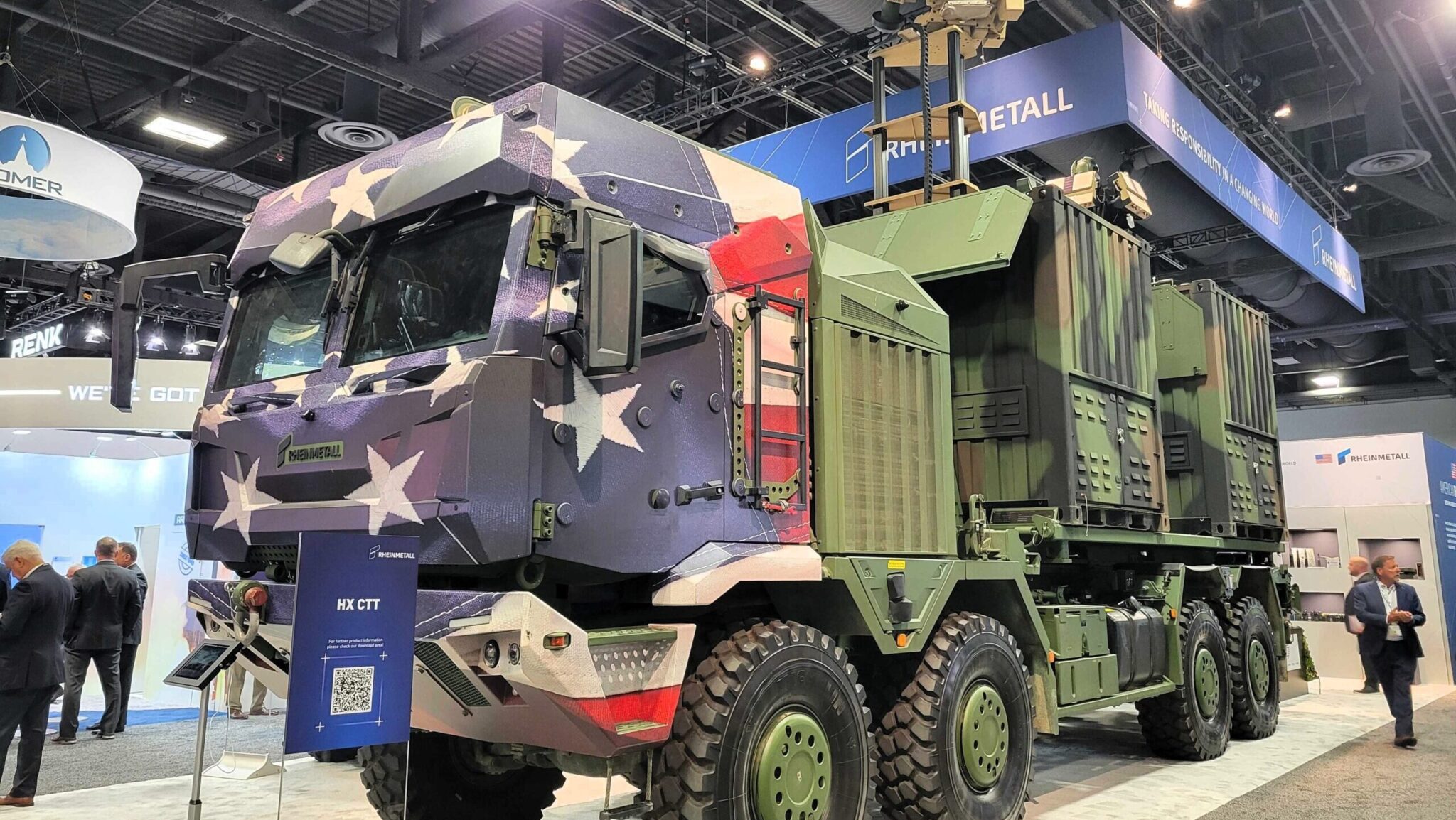
Common Tactical Truck Program
The Army is also reworking the Common Tactical Truck program, which aims to modernize the Heavy Tactical Vehicle Fleet. The service has announced a commercial solutions opening (CSO) for the program, which will speed up the acquisition timeline.
The CSO model will allow the Army to leverage commercially available solutions to deliver capabilities to the warfighter more quickly. This shift in acquisition strategy will accelerate the production of CTTs, pending available funding.
However, this change in acquisition structure could also mean that the Army will procure more than one type of CTT for the six different mission areas it is looking for the truck to fulfill. This could take the “common” out of the CTT, as awarding multiple vehicle variants may result in different companies being optimized for different missions.
Conclusion
In conclusion, the US Army is seeking innovative solutions for ground combat vehicles, with a focus on rapid design, production, and delivery. The service is reexamining its longstanding programs, including the XM30 Mechanized Infantry Combat Vehicle program and the Common Tactical Truck program.
As the Army continues to review its ground vehicle portfolio, it is likely that we will see more changes in the acquisition strategy and the procurement of vehicles. The service is committed to delivering capabilities to the warfighter more quickly, and it is willing to consider new and innovative solutions to achieve this goal.
For example, the Army is considering the use of commercial solutions to speed up the acquisition timeline. This approach has been successful in other programs, such as the Joint Light Tactical Vehicle (JLTV) program.
Additionally, the Army is looking to industry to provide innovative solutions for ground combat vehicles. Companies such as American Rheinmetall and General Dynamics Land Systems are already working on prototype vehicles, and the service is encouraging other companies to submit their proposals.
Finally, the Army is committed to ensuring that its ground vehicle portfolio is aligned with its modernization priorities. The service is working to ensure that its vehicles are capable of operating in a variety of environments, from urban to rural, and that they are equipped with the latest technologies, such as advanced propulsion systems and communication systems.
Overall, the US Army is taking a proactive approach to modernizing its ground vehicle portfolio, and it is likely that we will see significant changes in the coming years. As the service continues to review its programs and consider new and innovative solutions, it is clear that the Army is committed to delivering the best possible capabilities to the warfighter.
Therefore, it is essential for industry to stay informed about the Army’s plans and priorities, and to be prepared to provide innovative solutions to meet the service’s needs. By working together, the Army and industry can ensure that the warfighter has the best possible equipment to perform their missions.
Moreover, the Army’s focus on rapid design, production, and delivery is likely to have a significant impact on the ground vehicle industry. Companies that are able to provide innovative solutions and meet the Army’s requirements will be well-positioned to succeed in this market.
However, it is also important to note that the Army’s acquisition strategy is subject to change, and companies must be prepared to adapt to new requirements and priorities. By staying flexible and responsive to the Army’s needs, companies can ensure that they remain competitive in this market.
In conclusion, the US Army’s seek for innovative solutions for ground combat vehicles is a significant development in the ground vehicle industry. The service’s focus on rapid design, production, and delivery, and its willingness to consider new and innovative solutions, is likely to have a major impact on the industry.
As the Army continues to review its ground vehicle portfolio and consider new solutions, it is essential for industry to stay informed and be prepared to provide innovative solutions to meet the service’s needs. By working together, the Army and industry can ensure that the warfighter has the best possible equipment to perform their missions.