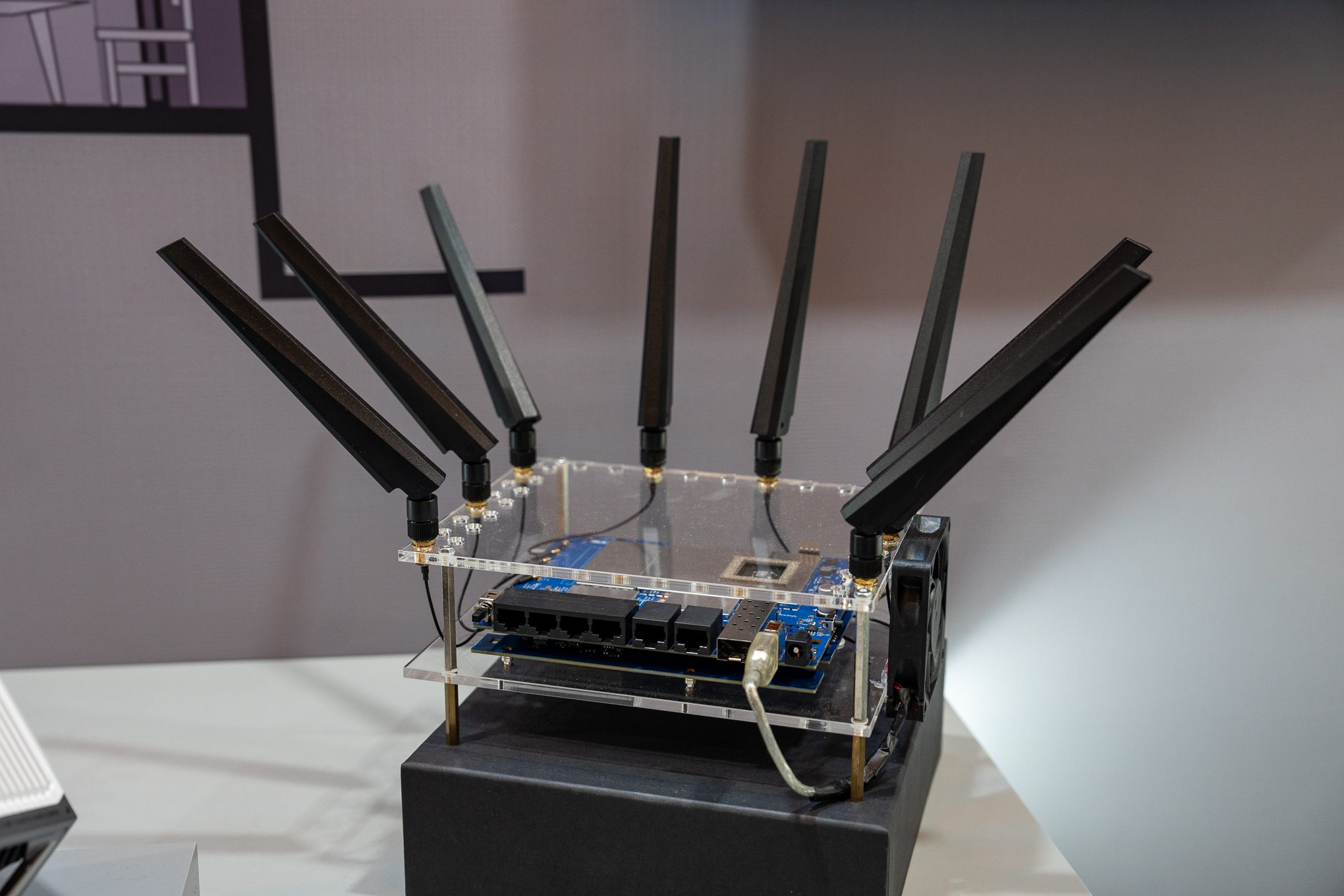
US Bans Foreign-Made Consumer Routers Over National Security Risks
The US government has banned consumer routers made outside the US, citing national security risks. This move follows a similar ban on foreign-made drones in December. The Federal Communications Commission (FCC) claims that foreign-made routers pose an unacceptable risk to the national security of the US.
National Security Concerns
The FCC has added all foreign-made consumer routers to its Covered List, effectively banning new devices from import into the country. Router makers will need to secure conditional approval to continue selling products in the US. Meanwhile, companies that have already gotten FCC radio authorization for a specific foreign-made product can continue to import that product.
However, the vast majority of consumer routers are manufactured outside the US, which means that most future consumer routers are now banned. The FCC has a National Security Determination that justifies these actions, claiming that allowing routers produced abroad to dominate the US market creates unacceptable economic, national security, and cybersecurity risks.
Router Vulnerabilities
It is true that many router vulnerabilities have surfaced over the years, making them a popular target for hackers and botnets. For example, the Volt, Flax, and Salt Typhoon cyberattacks targeted critical American communications, energy, transportation, and water infrastructure. Additionally, one China-founded company, TP-Link, is dominant in the US consumer market, which has raised national security concerns.
Therefore, the US government is taking steps to address these concerns. However, it is not clear how simply moving production of routers domestically would make them safer. In the Volt Typhoon hack, Chinese state-sponsored hackers primarily targeted Cisco and Netgear routers, which were designed by US companies.
Impact on Consumers
If you already have a Wi-Fi or wired router, you can continue to use it. However, companies that have not gotten FCC radio authorization for a specific foreign-made product will need to secure conditional approval to continue selling products in the US. Meanwhile, consumers may need to consider alternative options for their networking needs.
Finally, the US government’s ban on foreign-made consumer routers highlights the importance of national security and cybersecurity. As technology continues to evolve, it is essential to prioritize these concerns to protect the US economy and defense.
Meanwhile, router makers will need to adapt to these new regulations. For instance, they may need to establish manufacturing facilities in the US or secure conditional approval to continue selling products in the country. Additionally, consumers will need to be aware of these changes and consider their options for networking gear.
Conclusion
In conclusion, the US government’s ban on foreign-made consumer routers is a significant move to address national security concerns. While it may have an impact on consumers and router makers, it is essential to prioritize cybersecurity and national security in the face of evolving technological threats. Therefore, it is crucial to stay informed about these developments and consider the implications for your networking needs.
Moreover, the FCC’s decision highlights the need for a comprehensive approach to cybersecurity. This includes not only banning foreign-made routers but also investing in domestic manufacturing and promoting cybersecurity awareness. By taking these steps, the US can ensure a safer and more secure networking environment for consumers and businesses alike.
Furthermore, the ban on foreign-made consumer routers is part of a broader effort to address national security concerns. The US government has been taking steps to protect critical infrastructure and prevent cyberattacks. As technology continues to evolve, it is essential to stay ahead of these threats and prioritize national security and cybersecurity.
Finally, the US government’s ban on foreign-made consumer routers serves as a reminder of the importance of cybersecurity. As consumers, it is essential to be aware of the potential risks associated with foreign-made routers and to consider alternative options for your networking needs. By prioritizing cybersecurity and national security, we can ensure a safer and more secure online environment for everyone.
What’s Next?
The US government’s ban on foreign-made consumer routers is a significant development in the world of cybersecurity. As the situation continues to evolve, it is essential to stay informed about the latest developments and consider the implications for your networking needs. Meanwhile, router makers will need to adapt to these new regulations and prioritize cybersecurity and national security.
Additionally, the ban on foreign-made consumer routers highlights the need for a comprehensive approach to cybersecurity. This includes investing in domestic manufacturing, promoting cybersecurity awareness, and taking steps to protect critical infrastructure. By working together, we can ensure a safer and more secure online environment for everyone.
In the meantime, consumers can take steps to protect themselves from potential cybersecurity threats. For example, they can use strong passwords, keep their software up to date, and be cautious when clicking on links or downloading attachments. By prioritizing cybersecurity, we can reduce the risk of cyberattacks and ensure a safer online environment.
Practical Tips
Here are some practical tips for consumers to protect themselves from potential cybersecurity threats:
- Use strong passwords and keep them confidential
- Keep your software up to date
- Be cautious when clicking on links or downloading attachments
- Use a virtual private network (VPN) when accessing public Wi-Fi
- Consider using a router made in the US or from a trusted manufacturer
By following these tips, consumers can reduce the risk of cyberattacks and ensure a safer online environment. Meanwhile, router makers will need to adapt to the new regulations and prioritize cybersecurity and national security.
Finally, the US government’s ban on foreign-made consumer routers is a significant move to address national security concerns. While it may have an impact on consumers and router makers, it is essential to prioritize cybersecurity and national security in the face of evolving technological threats.