Introduction to the US-Iran Conflict
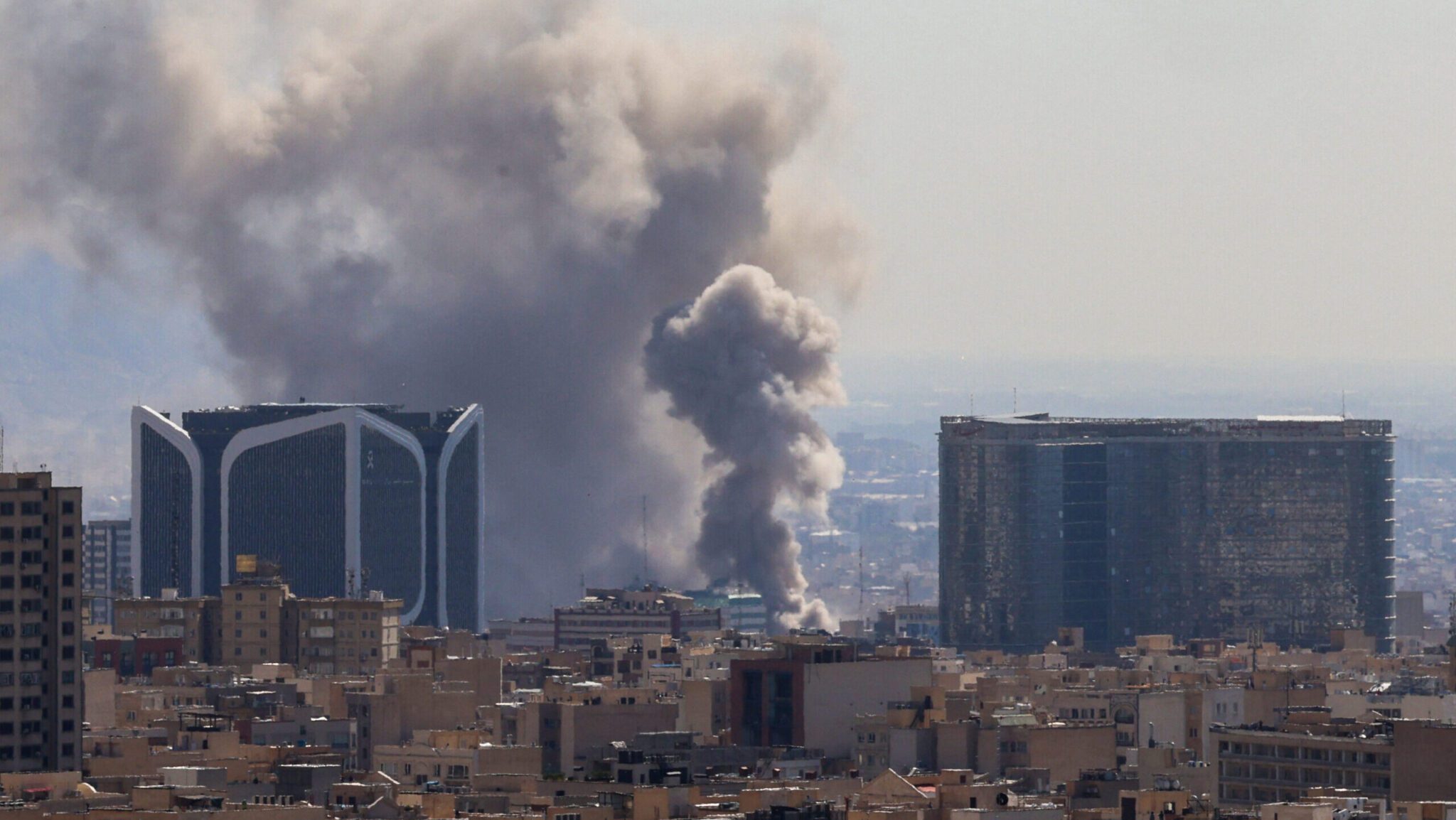
The recent escalation of the US-Iran conflict has sparked a new wave of debates regarding the use of military force without congressional authorization. Meanwhile, the role of the War Powers Resolution has become a focal point in this discussion. Additionally, the killing of Ayatollah Ali Khamenei, Iran’s supreme leader, has further complicated the situation.
However, the US Senate is taking steps to address this issue. For example, Democratic Sen. Tim Kaine plans to force a vote on a war powers resolution that would limit President Donald Trump’s ability to use military force in Iran without congressional approval. Therefore, this move is seen as an attempt to reassert Congress’s authority in matters of war.
Understanding the War Powers Resolution
The War Powers Resolution is a law that requires the president to notify Congress within 48 hours of deploying troops into combat. Furthermore, it also requires the president to obtain congressional authorization for military action that lasts more than 60 days. Nevertheless, the resolution has been the subject of controversy and debate over the years.
Meanwhile, the current situation in Iran has highlighted the need for a clear understanding of the War Powers Resolution. Additionally, the resolution’s provisions and limitations must be considered in the context of the ongoing conflict. However, the complexities of the resolution and its application in real-world scenarios can be challenging to navigate.
Key Provisions of the War Powers Resolution
The War Powers Resolution has several key provisions that are relevant to the current situation. For instance, it requires the president to:
- Notify Congress within 48 hours of deploying troops into combat
- Obtain congressional authorization for military action that lasts more than 60 days
- Withdraw troops within 90 days if congressional authorization is not obtained
However, the resolution also has some limitations and exceptions. For example, it does not apply to military actions that are authorized by a congressional declaration of war. Additionally, the president may invoke emergency powers to bypass the resolution’s requirements.
Implications of the War Powers Resolution for the US-Iran Conflict
The War Powers Resolution has significant implications for the US-Iran conflict. Meanwhile, the resolution’s provisions and limitations must be carefully considered in the context of the ongoing conflict. Additionally, the role of Congress in authorizing military action must be taken into account.
However, the current situation in Iran has highlighted the need for a clear understanding of the War Powers Resolution. Furthermore, the resolution’s application in real-world scenarios can be challenging to navigate. Therefore, it is essential to consider the implications of the resolution for the US-Iran conflict and the broader geopolitical landscape.
Conclusion and Call to Action
In conclusion, the War Powers Resolution is a critical component of the US constitutional system, and its provisions and limitations must be carefully considered in the context of the US-Iran conflict. Meanwhile, the role of Congress in authorizing military action must be taken into account. Additionally, the need for a clear understanding of the resolution and its application in real-world scenarios is essential.
Therefore, it is crucial to stay informed about the ongoing developments in the US-Iran conflict and the role of the War Powers Resolution. Furthermore, citizens must demand transparency and accountability from their elected representatives regarding the use of military force. However, the path forward will require careful consideration of the complex issues at play.
Frequently Asked Questions
Here are some frequently asked questions about the War Powers Resolution and the US-Iran conflict:
- What is the War Powers Resolution, and how does it apply to the US-Iran conflict? The War Powers Resolution is a law that requires the president to notify Congress within 48 hours of deploying troops into combat and to obtain congressional authorization for military action that lasts more than 60 days.
- What are the implications of the War Powers Resolution for the US-Iran conflict? The War Powers Resolution has significant implications for the US-Iran conflict, as it requires the president to obtain congressional authorization for military action that lasts more than 60 days.
- How can citizens stay informed about the ongoing developments in the US-Iran conflict and the role of the War Powers Resolution? Citizens can stay informed by following reputable news sources and demanding transparency and accountability from their elected representatives.
- What is the role of Congress in authorizing military action, and how does it relate to the War Powers Resolution? Congress plays a critical role in authorizing military action, and the War Powers Resolution requires the president to obtain congressional authorization for military action that lasts more than 60 days.
- How can the War Powers Resolution be used to limit the president’s ability to use military force without congressional authorization? The War Powers Resolution can be used to limit the president’s ability to use military force without congressional authorization by requiring the president to notify Congress within 48 hours of deploying troops into combat and to obtain congressional authorization for military action that lasts more than 60 days.