
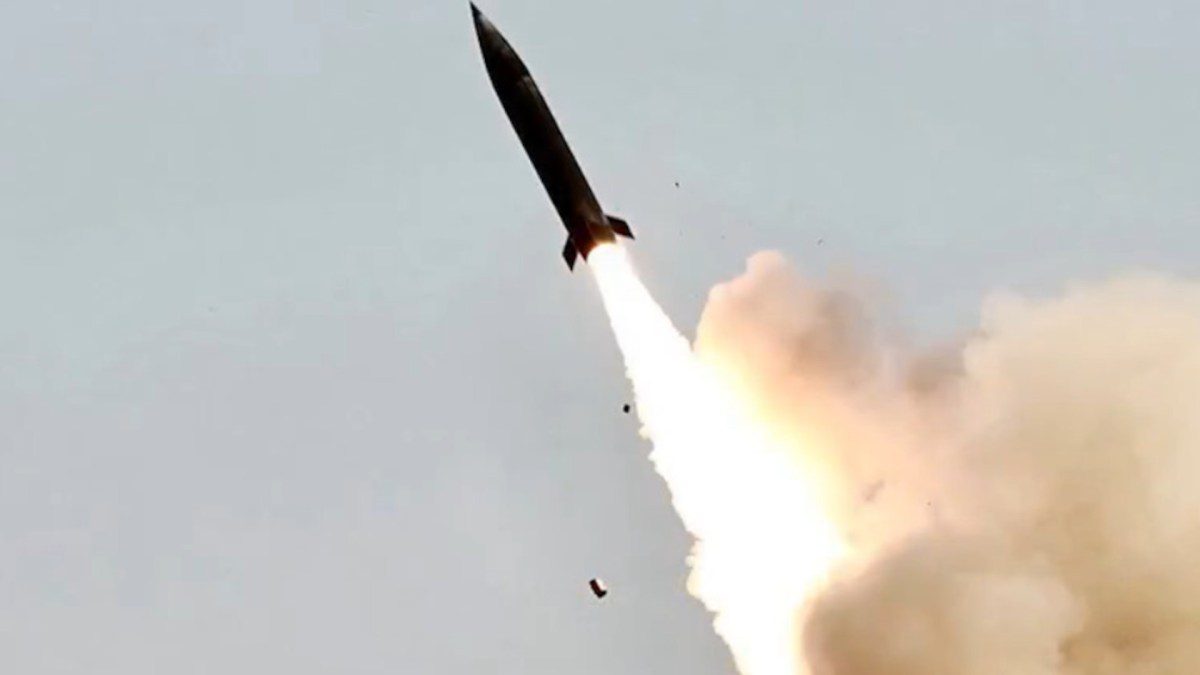
Introduction to PrSM Ballistic Missile
The US military has employed the new Precision Strike Missile (PrSM) short-range ballistic missiles as part of ongoing operations against Iran. This marks the first combat use of the PrSM, which only began entering service roughly two years ago.
Meanwhile, the operational debut of the new missiles showcases the significantly greater range they offer compared to their predecessors, the Army Tactical Missile System (ATACMS), and much expanded target areas that American units can now hold at risk as a result. However, the exact details of the operation remain unclear.
PrSM vs ATACMS: Key Differences
For example, the baseline PrSM variant, also known as Increment 1, has demonstrated its ability to hit targets at least around 310 miles (500 kilometers) away. Additionally, the U.S. Army has a stated goal to eventually stretch that out to around 400 miles (650 kilometers), if that has not already been achieved.
In contrast, the longest ranged variants of ATACMS can hit targets out to around 186 miles (300 kilometers). Therefore, PrSM offering roughly twice as much reach would substantially increase the total breadth of targets that could be held at risk from any location in the region.
Advantages of PrSM
Furthermore, ballistic missiles, in general, fly at relatively high speeds, especially as they come down in the terminal phase of flight. This makes them especially well-suited for employment against time-sensitive targets, like Iranian missile launchers and air defense assets.
Moreover, high speed also creates additional challenges for enemy air defenses attempting to engage them compared to other kinds of missiles, including some subsonic air-breathing cruise missiles. However, the importance of PrSM’s extended reach is often discussed in the context of a potential high-end fight in the Pacific against China.
PrSM in Combat
Meanwhile, demonstrating PrSM in real combat against Iran could also send signals to other American opponents. The use of PrSM against Iran puts a spotlight on the immense value its greater range, in particular, brings to the table.
Additionally, an anti-ship version of PrSM, also referred to as Increment 2, which features an additional seeker and is capable of hitting moving targets, is also now under development. However, we still have more to learn about how PrSM (as well as ATACMS) is being employed as part of Operation Epic Fury.
Conclusion and Future Developments
In conclusion, America’s newest ballistic missile is now a combat-proven weapon. Therefore, its use against Iran highlights the immense value its greater range brings to the table. Moreover, the development of new PrSM variants, such as Increment 2, will further enhance the capabilities of the US military.
Finally, as the US military continues to develop and deploy new missile systems, it is essential to stay informed about the latest developments and advancements in this field.
Frequently Asked Questions
Q: What is the range of the PrSM ballistic missile?
A: The baseline PrSM variant has demonstrated its ability to hit targets at least around 310 miles (500 kilometers) away.
Q: How does PrSM compare to ATACMS?
A: PrSM offers roughly twice the range of ATACMS, with a maximum range of around 310 miles (500 kilometers) compared to ATACMS’s 186 miles (300 kilometers).
Q: What are the advantages of PrSM?
A: PrSM’s high speed and extended range make it well-suited for employment against time-sensitive targets and create additional challenges for enemy air defenses.
Q: Is PrSM being used in combat?
A: Yes, PrSM has been used in combat as part of Operation Epic Fury against Iran.
Q: What future developments can we expect for PrSM?
A: The development of new PrSM variants, such as Increment 2, will further enhance the capabilities of the US military.








