The Breakthrough: How It Works
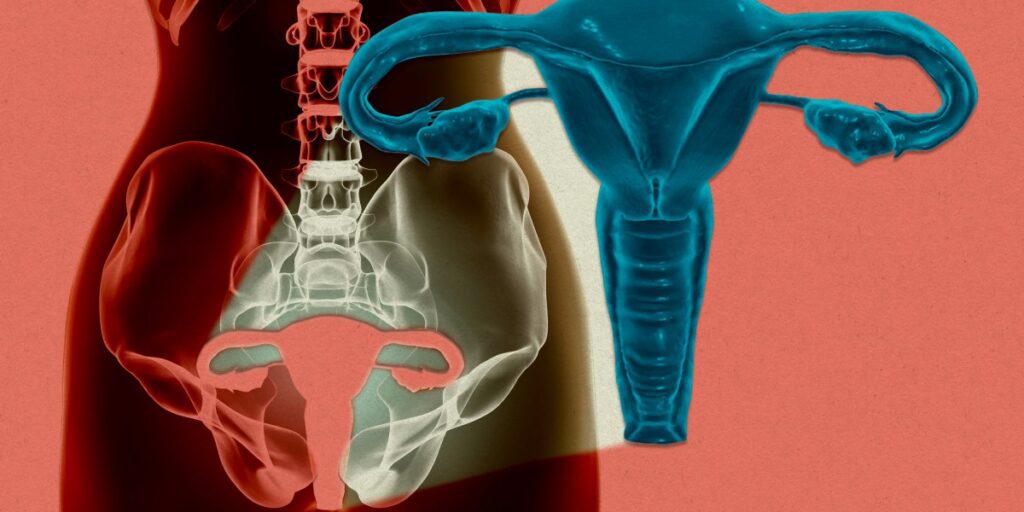
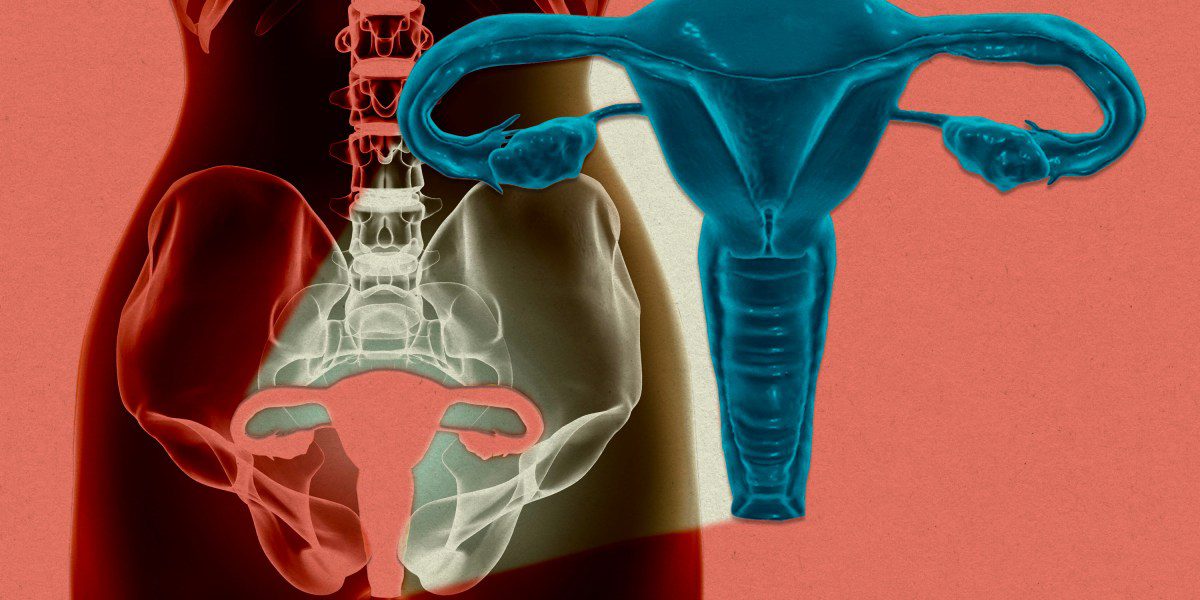
Scientists have achieved a groundbreaking milestone by keeping a human uterus alive outside the body for the first time. The Carlos Simon Foundation’s team in Spain developed a device called PUPER (Preservation of the Uterus in Perfusion), nicknamed “Mother,” to sustain donated uteruses using a modified blood perfusion system. This innovation mimics the body’s circulatory functions, delivering oxygen, nutrients, and waste removal through a network of tubes and sensors.
Inside the PUPER Device
- Blood Circulation: Human blood from a blood bank is pumped through the device, acting as a lifeline for the uterus.
- Oxygenation: An oxygenator filters carbon dioxide and adds oxygen, replicating lung function.
- Humid Environment: The uterus is kept moist and tilted to mirror its natural position in the body.
The team successfully maintained a donated human uterus for 24 hours—a critical step toward studying uterine health and pregnancy.
Potential Applications in Medicine
This technology opens doors for research on uterine disorders like endometriosis and fibroids. By observing a full menstrual cycle in a lab, scientists could better understand implantation—the process by which embryos attach to the uterine lining. This insight might improve IVF success rates, as implantation failure remains a major hurdle in fertility treatments.
Future Possibilities
While the team’s immediate goal is to extend organ viability to 28 days, the long-term vision includes sustaining human fetal development outside the body. Though still theoretical, this could revolutionize pregnancy for those with uterine infertility or medical complications.
Challenges and Next Steps
Despite the progress, challenges remain. Clotting and pressure fluctuations—like the incident that spilled a liter of blood during testing—highlight the fragility of the system. Experts like Gerald Brandacher note that 24 hours is a significant improvement over current uterus transplant methods, which rely on living donors and require rapid preparation.
Expanding Donor Options
The technology could eventually enable the use of deceased donors, broadening access to uterus transplants. However, the team prioritizes research applications over clinical transplants in the near term.
Ethical Considerations and Public Reaction
Keren Ladin, a bioethicist, emphasizes the need for careful regulation as the technology advances. While the potential for lab-grown pregnancies is exciting, it raises questions about accessibility, consent, and societal norms. Public engagement will be crucial to address these concerns responsibly.
Conclusion: A New Era for Uterine Research
The PUPER device marks a pivotal step in biomedical science. By bridging the gap between organ preservation and pregnancy research, it could transform fertility treatments and deepen our understanding of early human development. As the team refines their methods, the world watches closely for the next breakthrough.
Share your thoughts: What do you think about the future of lab-sustained pregnancies? Leave a comment below!