Valve Defends Loot Boxes Against Gambling Allegations
Valve, the game publisher behind popular titles like Counter-Strike, is pushing back against accusations that its loot boxes amount to illegal gambling. The company faces mounting lawsuits and regulatory scrutiny over the system.
Loot Boxes: Gambling or Not?
Valve argues that the random item boxes found in some of its games are closer to buying collectible products than participating in gambling. The company states that items from these boxes are cosmetic only and do not provide competitive advantages.
However, critics point to the visual design of the opening sequence, which resembles a slot machine and is intended to encourage repeated purchases. Additionally, the financial scale of the feature is another issue raised in court filings, with reports suggesting that Counter-Strike players opened enough cases in a single month to generate over $74 million in revenue.
Regulatory Scrutiny and Lawsuits
New York authorities and other critics have filed lawsuits against Valve, alleging that the sale of keys for randomized rewards violates state gambling laws. The company has tried to curb gambling tied to its ecosystem by blocking accounts connected to third-party gambling websites and adding systems to reduce fraud in item trading.
Meanwhile, Valve has also introduced measures such as trade cooldowns and the ability to reverse certain transactions to limit abuse. The company has locked over one million Steam accounts due to links to gambling activity, fraud, or stolen items.
Counter-Strike Case
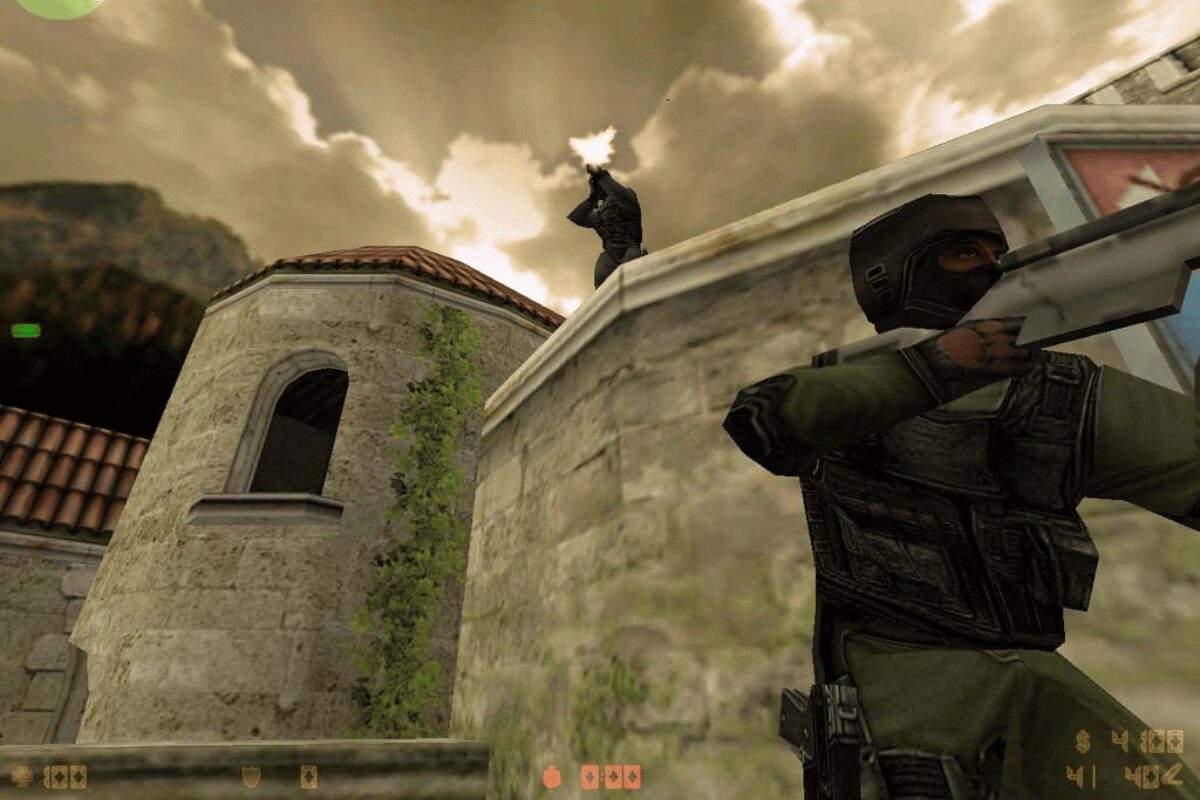
One federal class-action lawsuit claims that the mechanics of Counter-Strike’s loot box system resemble casino gambling. The complaint argues that players spend real money for a randomized outcome that can carry significant real-world value.
For example, players can earn sealed weapon cases during gameplay, but opening them requires purchasing a digital key that typically costs about $2.49. Inside each case is a randomly selected cosmetic weapon skin, and some rare versions can become highly valuable.
Conclusion and Call to Action
In conclusion, Valve’s loot box system has sparked controversy and regulatory scrutiny. While the company defends its system as not amounting to gambling, critics argue that the visual design and financial scale of the feature are concerning.
Therefore, it is essential for gamers and regulators to be aware of the issues surrounding loot boxes and to take action to protect consumers. If you are concerned about the impact of loot boxes on gaming, consider reaching out to your local representatives or supporting organizations that advocate for responsible gaming practices.
Finally, we will continue to monitor the situation and provide updates as more information becomes available.
Frequently Asked Questions
- What are loot boxes, and how do they work?
- Are loot boxes considered gambling?
- What is Valve’s stance on loot boxes?
- What are the regulatory implications of loot boxes?
- How can I protect myself from the potential risks of loot boxes?