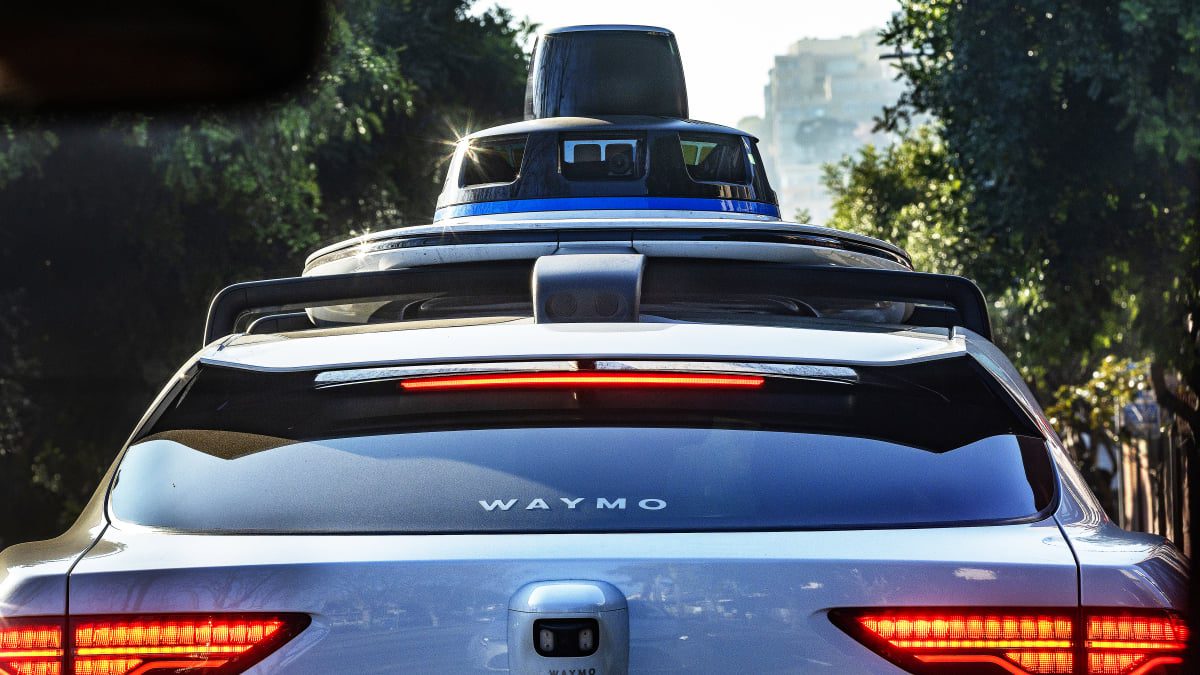
Waymo Expands Autonomous Testing to Chicago & Charlotte
Self-driving taxis are inching closer to everyday use, and Waymo is leading the charge. The Google-owned company recently confirmed test drives in Chicago and Charlotte, marking a significant step in its nationwide expansion. With $16 billion in fresh funding, Waymo is accelerating its mission to revolutionize urban mobility through autonomous vehicles.
How Waymo’s Testing Process Works
Waymo’s approach to expansion is methodical. Before launching driverless services, the company deploys human-driven test vehicles to gather critical data. These test drives help map local road conditions, traffic patterns, and edge cases—ensuring autonomous systems can handle real-world complexities.
- Human drivers first: Waymo uses experienced drivers to collect data during initial testing phases.
- Machine learning: The autonomous system learns from human decision-making during these trials.
- Gradual rollout: Cities transition from test drives to driverless operation after months of analysis.
Chicago & Charlotte: The Next Hubs for Robotaxis
Chicago and Charlotte join a growing list of cities where Waymo is preparing for full-scale deployment. Locals have already spotted test vehicles on the streets, signaling the company’s commitment to expanding beyond major tech hubs like Phoenix and San Francisco.
“Waymo’s testing in Chicago and Charlotte isn’t just about proving technology—it’s about understanding how autonomous vehicles integrate into diverse urban environments,” explains a spokesperson. The company plans to follow Nashville’s model, where driverless taxis now operate after successful test phases.
Waymo’s National and Global Expansion
Waymo’s ambitions stretch far beyond the U.S. The company is simultaneously testing in London, Washington, D.C., and Denver, while its full service operates in Los Angeles, San Francisco, and Phoenix. Through partnerships with Uber, Waymo also offers autonomous rides in Austin and Atlanta.
Recent expansions include:
- Orlando, Florida – Active testing underway
- Houston, Dallas, and San Antonio – Rolling out in 2026
- London – Preparing for driverless launches
What This Means for the Future of Mobility
Waymo’s $16 billion funding round underscores investor confidence in autonomous technology. The company aims to reduce costs, improve safety, and provide 24/7 transportation options. For consumers, this means fewer traffic accidents caused by human error and more accessible mobility for underserved communities.
“Autonomous vehicles could transform how we commute, shop, and connect with our cities,” says industry analyst Sarah Lin. “Waymo’s expansion is a glimpse into that future.”
Stay Ahead of the Curve
Want to experience robotaxis firsthand? Keep an eye on Waymo’s app updates. If you live in Chicago or Charlotte, you might soon hail a self-driving car with just a tap. For now, follow Waymo’s progress to see how this technology reshapes urban life.
Frequently Asked Questions
1. What cities is Waymo testing in?
Waymo is currently testing autonomous vehicles in Chicago, Charlotte, Nashville, London, Washington, D.C., Denver, and several U.S. cities including Phoenix, San Francisco, and Los Angeles.
2. How does Waymo’s testing process work?
Waymo deploys human-driven test vehicles to map local conditions before launching driverless operations. This phase helps autonomous systems learn to navigate complex urban environments.
3. When will Waymo launch in Chicago and Charlotte?
After months of testing, Waymo will transition to driverless operations in Chicago and Charlotte. Exact launch dates depend on regulatory approvals and system readiness.
4. How much funding has Waymo raised?
Waymo recently secured $16 billion in funding, fueling its expansion and development of autonomous ride-hailing services.
5. Can I ride a Waymo robotaxi now?
Yes, in select cities like Phoenix, San Francisco, and Los Angeles. Waymo also partners with Uber in Austin and Atlanta. Check the Waymo app for availability in your area.