
Introduction to Local Dev Environments
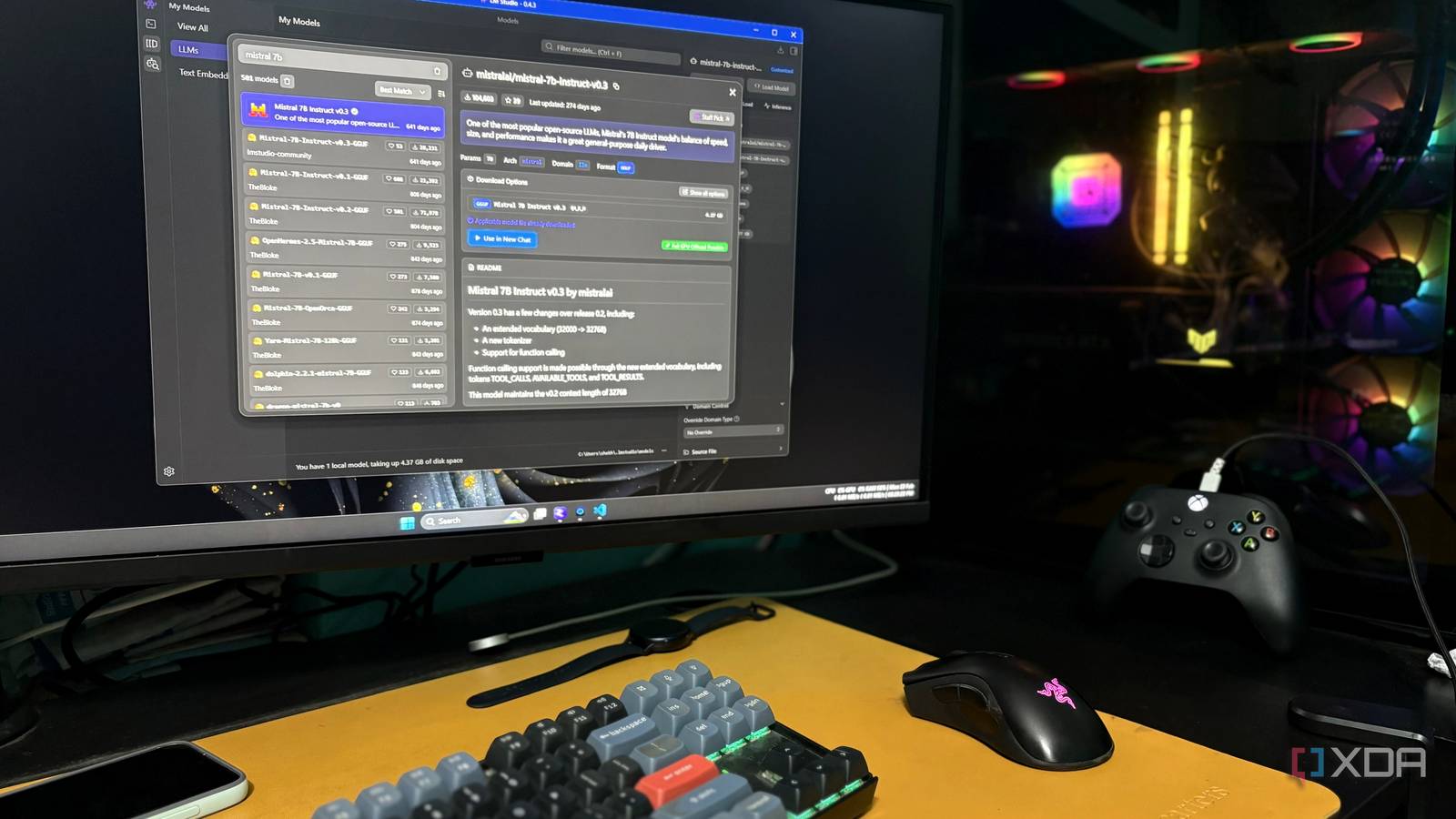
When it comes to setting up a local development environment, choosing the right model size is crucial. However, with the numerous options available, it can be overwhelming to decide. Meanwhile, I have found that 7B models offer the perfect balance between performance and resource usage. Additionally, they provide a seamless development experience. For example, they enable faster training times and more efficient use of system resources.
Benefits of 7B Models
One of the primary advantages of 7B models is their ability to handle complex tasks without requiring excessive computational power. Therefore, they are ideal for local dev environments where resources might be limited. Furthermore, they facilitate easier collaboration and knowledge sharing among team members. Moreover, 7B models are highly scalable, making them suitable for a wide range of applications.
Real-World Applications
In real-world scenarios, 7B models have been successfully used in various projects. For instance, they have been employed in natural language processing tasks, such as text classification and language translation. Moreover, they have been used in computer vision tasks, including image recognition and object detection. However, it is essential to note that the choice of model size ultimately depends on the specific requirements of the project.
Finally, when deciding on a model size for your local dev environment, consider the trade-offs between performance, resource usage, and complexity. By choosing a 7B model, you can ensure a smooth development experience without compromising on performance.








