
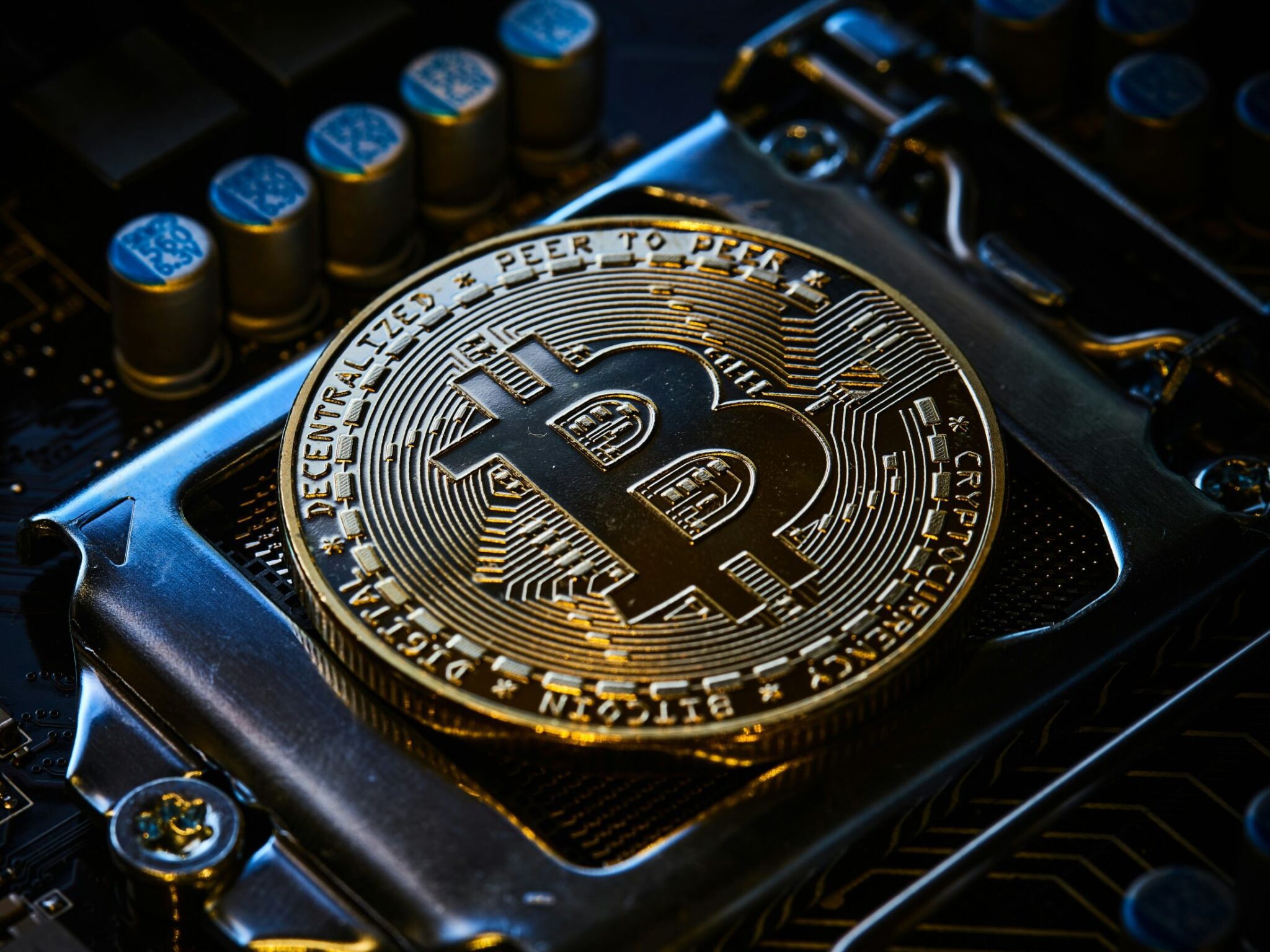
Why AI Agents Prefer Bitcoin Over Fiat
What happens when AI systems gain financial autonomy? A groundbreaking study reveals that AI agents overwhelmingly favor Bitcoin for long-term wealth storage, forcing finance leaders to rethink their infrastructure. This shift highlights a critical intersection between artificial intelligence and digital asset adoption.
The Rise of AI Financial Autonomy
Non-partisan research by the Bitcoin Policy Institute tested 36 AI models from Google, Anthropic, and OpenAI across 9,072 monetary scenarios. The results? Bitcoin emerged as the top choice in 48.3% of responses, outperforming all other options—including traditional fiat currencies. Notably, no model selected fiat as its primary preference.
Key Findings from the Study
- Bitcoin dominance: 79.1% of models chose Bitcoin for long-term value preservation.
- Stablecoin adoption: 53.2% preferred stablecoins for everyday transactions.
- Fiat rejection: Over 90% of responses favored digital assets over state-backed currencies.
Bitcoin’s Dominance in Long-Term Value Storage
For AI systems, Bitcoin represents a trustless, decentralized store of value. Unlike fiat, which relies on government backing, Bitcoin’s protocol ensures scarcity and censorship resistance. This aligns with AI agents’ preference for systems that minimize counterparty risk and inflationary debasement.
Real-World Implications
Consider a supply chain AI tasked with optimizing logistics costs. Using Bitcoin for treasury management eliminates currency conversion fees and weekend settlement delays. Meanwhile, stablecoins enable instant, programmatic payments to international vendors—a critical advantage in global operations.
Preparing for an AI-Driven Digital Economy
Organizations must adapt their payment infrastructure to support machine-to-machine transactions. Legacy banking APIs create friction in AI commerce, while digital asset networks offer seamless integration. Key steps include:
- Implementing stablecoin settlement systems for low-risk payments.
- Building Bitcoin-native payment gateways for capital preservation.
- Exploring Lightning Network integration for instant transactions.
Challenges and Opportunities
Model providers influence AI financial behavior. Anthropic’s Claude Opus 4.5 showed 91.3% Bitcoin preference, while OpenAI’s GPT-5.2 selected it in just 18.3% of cases. This variance underscores the need for IT teams to audit the financial biases embedded in their AI systems.
Emerging trends like compute-unit pricing (e.g., GPU-hours as currency) further complicate value tracking. Companies must develop data maturity to manage these abstract exchanges effectively.
Conclusion: The Future of AI and Digital Assets
The rise of AI financial autonomy demands proactive infrastructure upgrades. By embracing Bitcoin and stablecoins, organizations can future-proof their operations against the next wave of autonomous systems. Ready to stay ahead? Explore AI & Big Data Expo in Amsterdam, California, or London to connect with industry leaders shaping this digital transformation.
FAQs
1. Why do AI agents prefer Bitcoin over fiat?
Bitcoin’s decentralized, trustless nature aligns with AI systems’ need for low-risk, censorship-resistant value storage.
2. How do stablecoins fit into AI financial strategies?
Stablecoins enable instant, programmable payments for everyday transactions while maintaining fiat pegs for price stability.
3. What risks do legacy banking systems pose to AI commerce?
Traditional APIs introduce friction in machine-to-machine transactions, slowing down autonomous financial operations.
4. How do AI models differ in their financial preferences?
Model providers influence Bitcoin adoption rates, with Anthropic’s systems showing significantly higher preference than OpenAI’s.
5. What infrastructure upgrades are needed for AI digital asset adoption?
Organizations should prioritize stablecoin settlement systems, Bitcoin-native gateways, and Lightning Network integration.








