
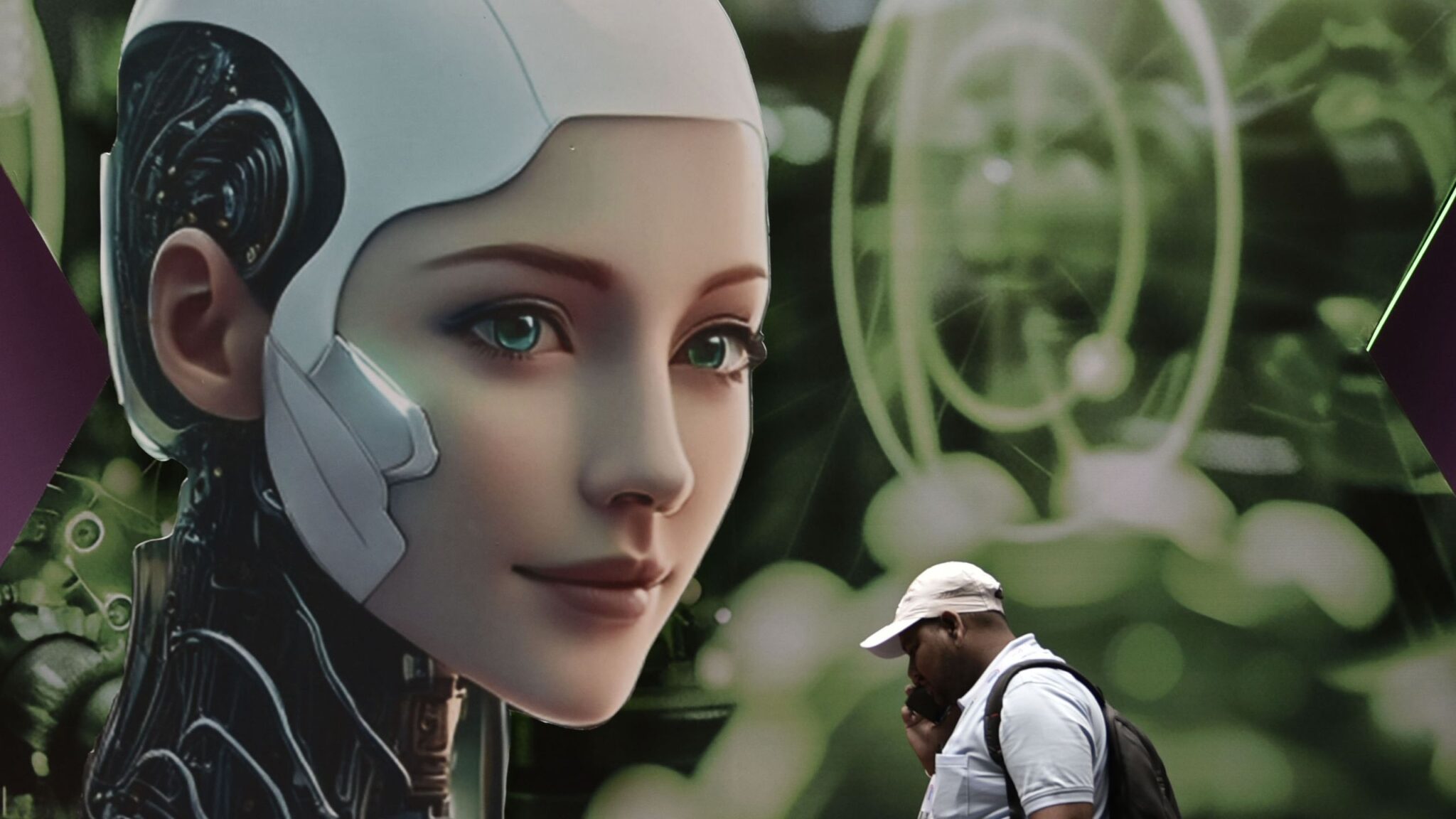
Introduction to AI Assistants
When you interact with AI assistants, have you ever wondered why many of them have female voices? Meanwhile, some AI tools offer a choice of voices, but the default setting is often female. Additionally, this trend is not limited to voice assistants, as many chatbots and AI-powered systems also tend to have feminine characteristics.
History of Female AI Assistants
Historically, the development of AI assistants was influenced by the availability of speech data, which was predominantly female. Furthermore, societal norms and expectations about gender roles have also played a significant role in shaping the design of AI assistants. For example, telephone operators, secretaries, and receptionists were often female, and these associations have been carried over into the digital world.
Research on Voice Preferences
Research has shown that people may find female voices more pleasant and trustworthy. However, these findings are not definitive, and preferences are shaped by social norms and cultural context. Moreover, some studies have challenged the idea that humans are wired to respond positively to female voices from infancy. Therefore, it is essential to consider the complexities of human preferences and avoid making assumptions about what people want.
Implications of Female AI Assistants
The perpetuation of female AI assistants can have significant implications for how we interact with technology and reinforce societal norms. Meanwhile, it can also influence our expectations about who serves, who assists, and who holds authority. Additionally, as AI becomes more embedded in our daily lives, it is crucial to consider the impact of these design choices on our relationships with technology and each other.
Conclusion
In conclusion, the prevalence of female AI assistants is a complex issue that reflects both historical and societal factors. However, as we move forward in developing AI systems, it is essential to consider the implications of these design choices and strive for greater diversity and inclusivity. Finally, by acknowledging the complexities of human preferences and avoiding assumptions, we can create more nuanced and effective AI systems that serve everyone’s needs.








