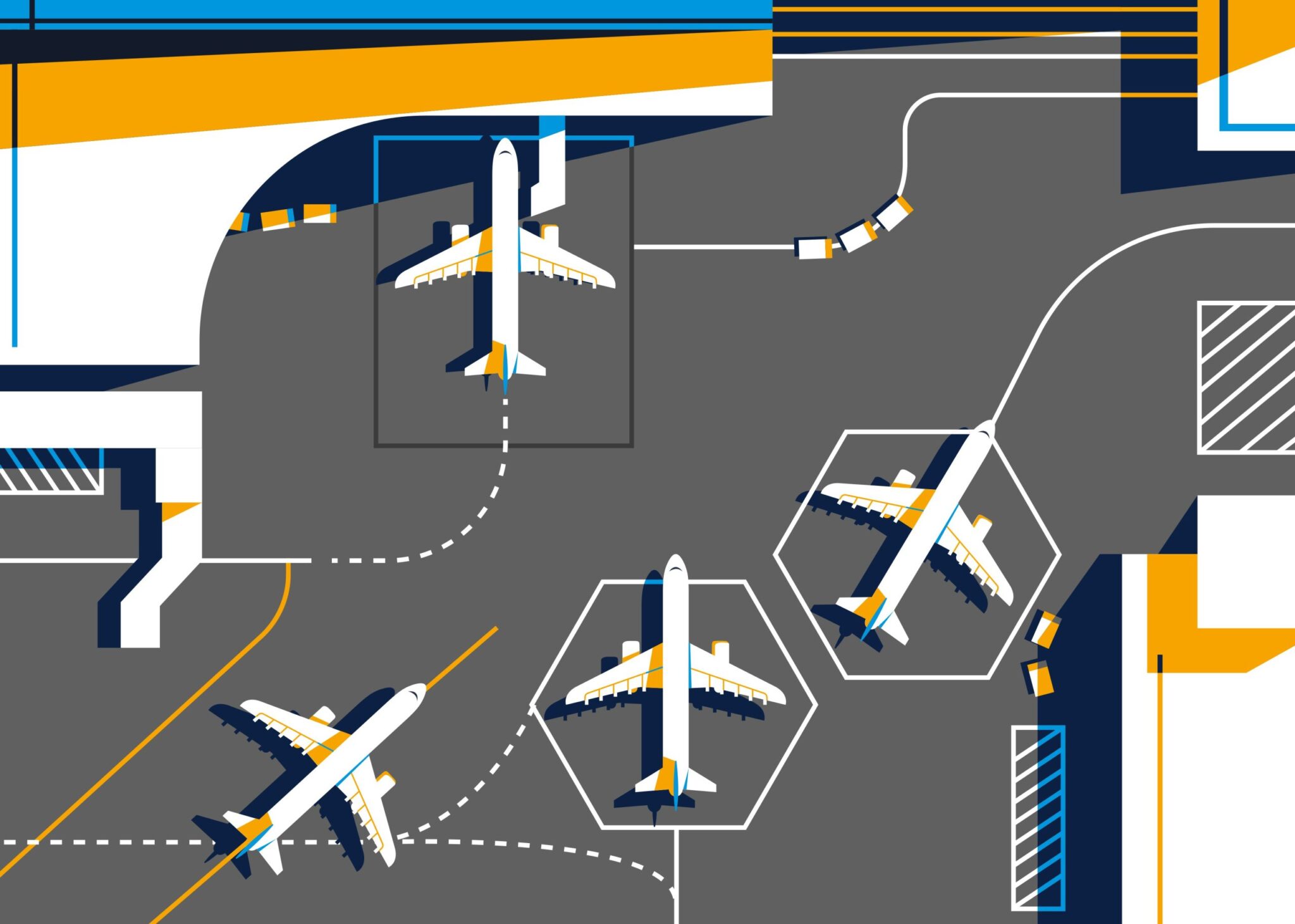
Why Enterprise Software Needs Air Traffic Control
In the fast-paced world of enterprise software development, complexity is inevitable. Just as air traffic control systems manage the chaos of global aviation, modern software projects require structured coordination to avoid collisions—both literal and metaphorical. Let’s explore why this analogy holds weight and how it can reshape how we approach software development.
Enterprise Software Development: A High-Stakes Environment
Enterprise software projects often involve hundreds of developers, multiple teams, and interconnected systems. Without a centralized oversight mechanism, miscommunication, duplicated efforts, and delayed deadlines become common. Like air traffic control, which ensures planes maintain safe distances and follow precise routes, software development needs a system to manage dependencies and streamline workflows.
Challenges in Enterprise Software
- Scalability: Managing growth without compromising performance.
- Integration: Ensuring compatibility across diverse platforms and tools.
- Coordination: Aligning cross-functional teams toward shared goals.
Lessons from Air Traffic Control
Air traffic control operates on three core principles: real-time monitoring, clear communication, and proactive problem-solving. Translating these into software development means:
1. Real-Time Monitoring
Implementing dashboards and analytics tools to track project progress, identify bottlenecks, and adjust priorities dynamically. This mirrors how air traffic controllers use radar to monitor flights and reroute planes when necessary.
2. Clear Communication
Establishing standardized protocols for team interactions, such as daily stand-ups, code reviews, and documentation. Just as pilots and controllers rely on precise language, software teams need clarity to avoid misunderstandings.
3. Proactive Problem-Solving
Anticipating risks through predictive analytics and scenario planning. For example, if a critical dependency is delayed, teams can pivot strategies before the issue escalates—much like rerouting flights during a storm.
Tools and Strategies for Software ‘Air Traffic Control’
Adopting the right tools can turn this analogy into a reality:
- Project Management Platforms: Tools like Jira or Asana provide visibility into tasks and deadlines.
- CI/CD Pipelines: Automate testing and deployment to reduce human error.
- Collaboration Software: Slack or Microsoft Teams keep communication centralized.
Conclusion: Build a System That Navigates Complexity
Enterprise software development thrives when it mirrors the precision of air traffic control. By adopting structured coordination, real-time insights, and proactive strategies, teams can navigate complexity with confidence. Ready to transform your approach? Start by evaluating your current workflows and identifying gaps in communication and oversight.
FAQs
1. Why does enterprise software development need air traffic control?
Because managing large-scale projects requires centralized coordination to avoid chaos, just like air traffic control ensures safe flight operations.
2. How can real-time monitoring improve software projects?
It allows teams to spot issues early, adjust priorities, and maintain alignment across distributed workflows.
3. What tools help with software ‘air traffic control’?
Project management platforms, CI/CD pipelines, and collaboration tools provide structure and visibility.
4. Can small teams benefit from these strategies?
Absolutely. Even small teams face coordination challenges, and structured systems scale effectively as teams grow.
5. What’s the biggest risk of ignoring this analogy?
Without oversight, projects risk delays, technical debt, and misaligned goals—common pitfalls in uncoordinated environments.