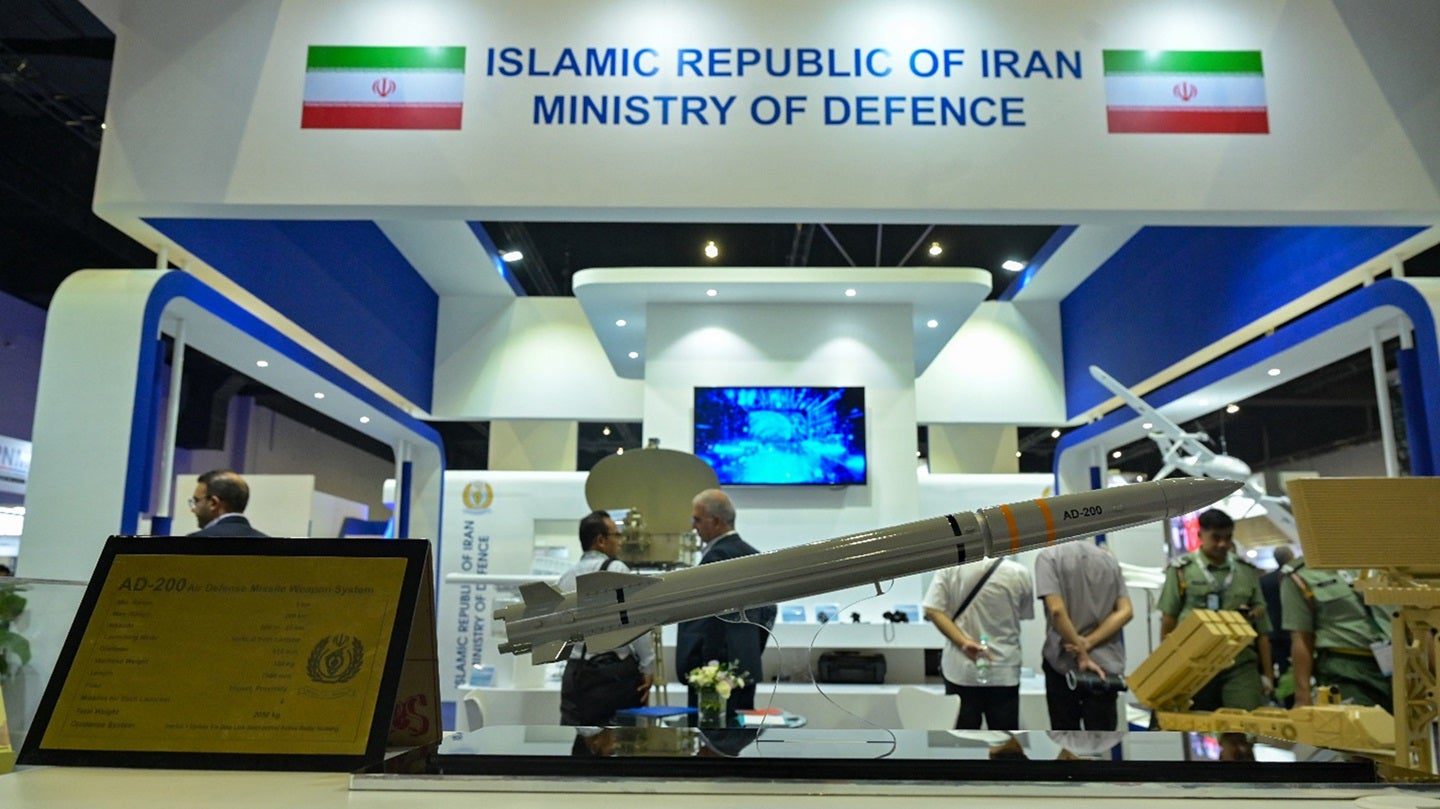
Why Iran’s Air Defense Network Failed
Iran’s air defense network has faced unprecedented challenges in recent conflicts, exposing critical vulnerabilities. From electronic warfare to resource depletion, the Islamic Republic’s struggles highlight systemic weaknesses in its military infrastructure. This article unpacks the factors behind Iran’s air defense failure and the strategic implications for regional stability.
The Immediate Impact of US-Israeli Strikes
From the outset of the 2026 campaign, US and Israeli forces achieved rapid air superiority. Precision strikes targeted over 2,000 Iranian sites, including command centers, airfields, and missile launchers. Analysts note that the IRGC’s missile stockpiles—already strained by the 2025 12-Day War—were further depleted, leaving Iran with limited retaliatory capacity.
Electronic Warfare: The Invisible Weapon
Electronic warfare (EW) has been a game-changer. Israeli-developed systems like the Icebreaker missile and Haroop loitering munitions disrupted Iranian radar networks. Dr. Tom Withington of RUSI explains, “The efficiency of EW operations has minimized losses for both nations, underscoring their technological edge.”
Strategic Division of Labor
US and Israeli forces adopted complementary strategies. The US focused on infrastructure and logistics, while Israel targeted leadership and Hezbollah. This division maximized impact while minimizing risk, a tactic that has left Iran’s defenses in disarray.
Depletion of Resources Over Years of Conflict
Iran’s military resources are stretched thin. The IRGC reportedly lost half its ballistic missiles in 2025, and its air defense launchers are incompatible with many missile types. GlobalData analyst Callum Kaye notes, “Replenishment is negligible due to sustained strikes, forcing Iran to rely on drones as a last resort.”
Sanctions and Reverse-Engineered Systems
Decades of sanctions forced Iran to reverse-engineer foreign systems. The Mersad (a modified HAWK) and Bavar-373 (modeled after the S-300) exemplify this approach. However, these systems lack the reliability of their original counterparts, and their integration into a cohesive network remains problematic.
The S-300 Shortfall
Russia’s S-300PMU-2 batteries, once a cornerstone of Iran’s defense, were heavily damaged in 2024 and 2025. Israeli familiarity with the system—gained through exercises with Greece—enabled precise EW countermeasures. This knowledge gap has crippled Iran’s long-range capabilities.
Copycat Systems and Their Limitations
Iran’s reliance on reverse-engineered systems has backfired. While the Ya Zahr (a HQ-7 copy) and Zoubin system offer short-range protection, they lack the sophistication to counter modern EW tactics. Analysts argue that these systems are “reactive rather than proactive,” failing to adapt to evolving threats.
Resource Constraints and Innovation Gaps
Iran’s defense industry struggles to innovate. Sanctions and limited access to advanced materials hinder development. As Kaye states, “The IRGC’s ability to replenish missiles is negligible, and their remaining stockpile will likely be exhausted within months.”
Electronic Warfare: The Invisible Weapon
EW has been the linchpin of US-Israeli success. Gallium-nitride-based jammers and AI-driven targeting systems have neutralized Iranian radars. Withington emphasizes, “Israel’s experience with Soviet-era systems since 1947 has given them an unmatched edge in countering integrated air defenses.”
Future Implications
Iran’s air defense failure signals a broader shift in military technology. Nations investing in EW and cyber capabilities will dominate future conflicts. For Iran, the path forward requires modernization—a costly and politically fraught endeavor.
Conclusion: Lessons for Global Defense Strategies
The collapse of Iran’s air defense network underscores the importance of adaptability and innovation. As conflicts evolve, reliance on outdated systems and sanctions-driven reverse engineering will prove unsustainable. What lessons can other nations learn from Iran’s struggles? Share your thoughts in the comments below.
FAQs
- What role did electronic warfare play in Iran’s air defense failure? EW systems like the Icebreaker and Haroop disrupted Iranian radars, enabling precision strikes without direct combat.
- How did sanctions impact Iran’s military capabilities? Sanctions forced Iran to reverse-engineer foreign systems, resulting in unreliable and outdated defenses.
- Why are copycat systems ineffective against modern threats? These systems lack the technological sophistication to counter advanced EW and cyber tactics.
- What is the significance of the S-300 in Iran’s defense? The S-300 was a key long-range system, but Israeli EW expertise neutralized its effectiveness.
- How can nations avoid similar vulnerabilities? Investing in indigenous innovation and EW capabilities is critical for modern defense strategies.