The Feature Arms Race Isn’t Enough
Microsoft has long relied on flashy new features to stay ahead in the gaming OS wars. But when it comes to competing with SteamOS, this strategy might not cut it. SteamOS, Valve’s Linux-based platform, thrives on simplicity and developer-friendly tools. Microsoft’s approach—adding more features, more hardware integration, more cloud gaming—risks becoming a gimmick-driven race. The real question is: What does SteamOS do that Microsoft can’t replicate?
User Experience: The Hidden Game-Changer
Why Simplicity Wins
SteamOS succeeds because it focuses on what gamers actually want: reliability and ease of use. For example, its Big Picture mode is optimized for living room gaming, while Steam Deck’s hardware-software synergy creates a seamless experience. Microsoft’s Windows, despite its power, often feels cluttered and fragmented. Even Xbox Cloud Gaming integration struggles to match Steam’s intuitive interface.
Developer Support Matters
Valve’s open-source approach attracts indie developers who want to build games without corporate red tape. Microsoft’s Xbox Game Pass and DirectX 12 Ultimate are impressive, but they don’t address the core issue: developers need tools that work, not just features that dazzle. SteamOS’s Proton compatibility layer, for instance, lets Linux users play thousands of Windows games—something Microsoft’s Xbox Cloud Gaming can’t replicate yet.
Ecosystem Integration Matters More Than Ever
Hardware and Software Must Work Together
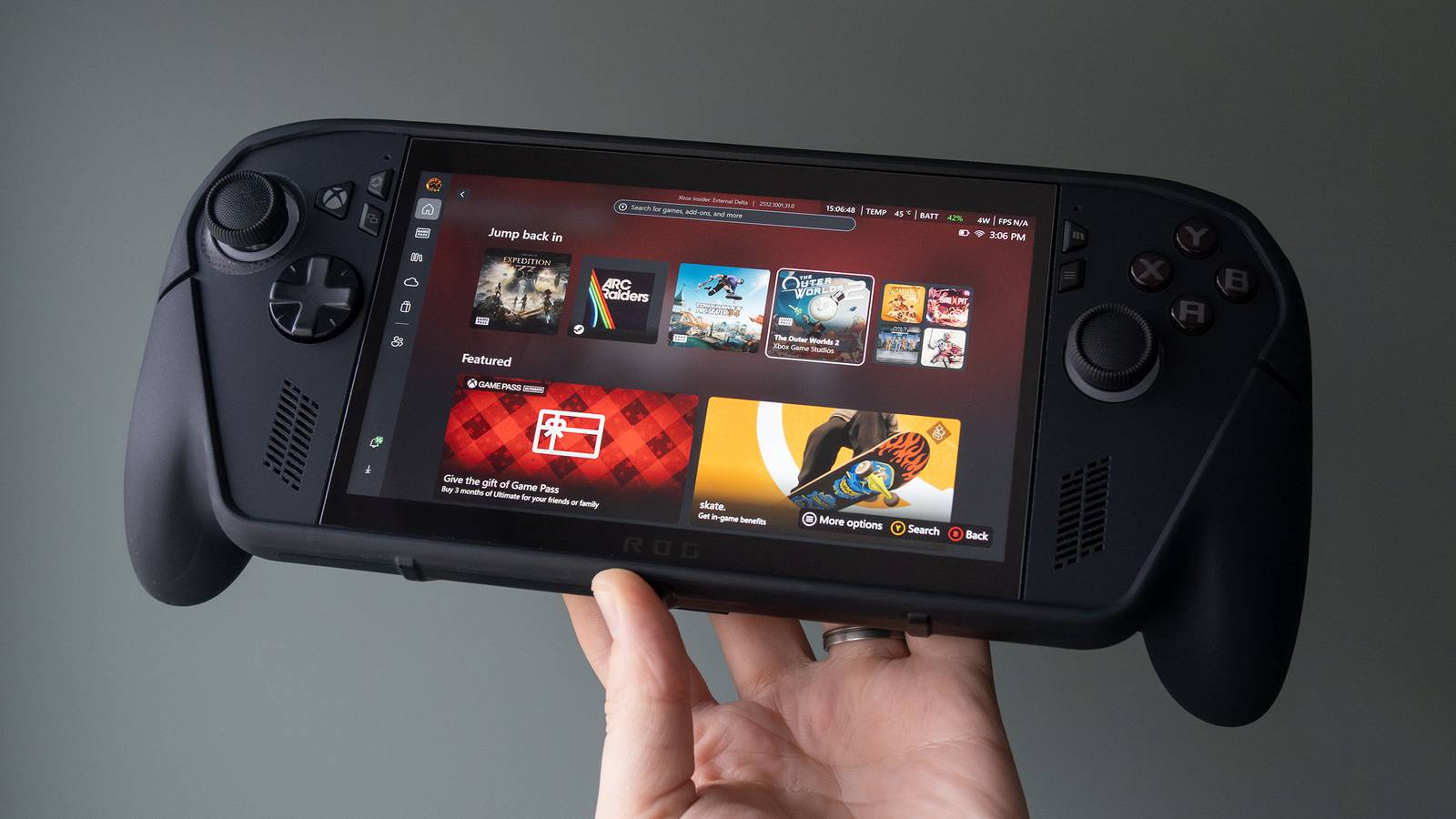
SteamOS excels by treating hardware and software as a unified system. The Steam Deck’s success proves that a streamlined, purpose-built device can outperform general-purpose PCs for specific use cases. Microsoft’s Surface devices and Xbox consoles are powerful, but they remain siloed. For example, Xbox Game Pass on PC still feels disconnected from the Xbox ecosystem, creating a fragmented user experience.
Cloud Gaming’s Role in the Future
Both platforms are betting big on cloud gaming, but SteamOS has a head start. Valve’s Steam PlayLink and Steam Link apps allow users to stream games to any device effortlessly. Microsoft’s xCloud project, while technically advanced, lacks the same level of cross-platform flexibility. Gamers want to play their library anywhere, not just on devices that Microsoft approves.
What Microsoft Can Learn From SteamOS
- Focus on core user needs: Prioritize stability and performance over feature bloat.
- Embrace open ecosystems: Make it easier for developers to build and distribute games.
- Unify hardware and software: Create seamless experiences across devices, not just within them.
Conclusion: Beyond the Feature Checklist
Microsoft’s battle with SteamOS isn’t just about who has the flashiest new feature. It’s about who understands what gamers truly value: reliability, flexibility, and an ecosystem that works together. While Microsoft has the resources to innovate, it needs to shift from a “more is better” mindset to a “better is better” approach. The next generation of gaming OSes will be won by the platform that listens to users, not just engineers.
What do you think? Share your thoughts on Microsoft vs. SteamOS in the comments below!