
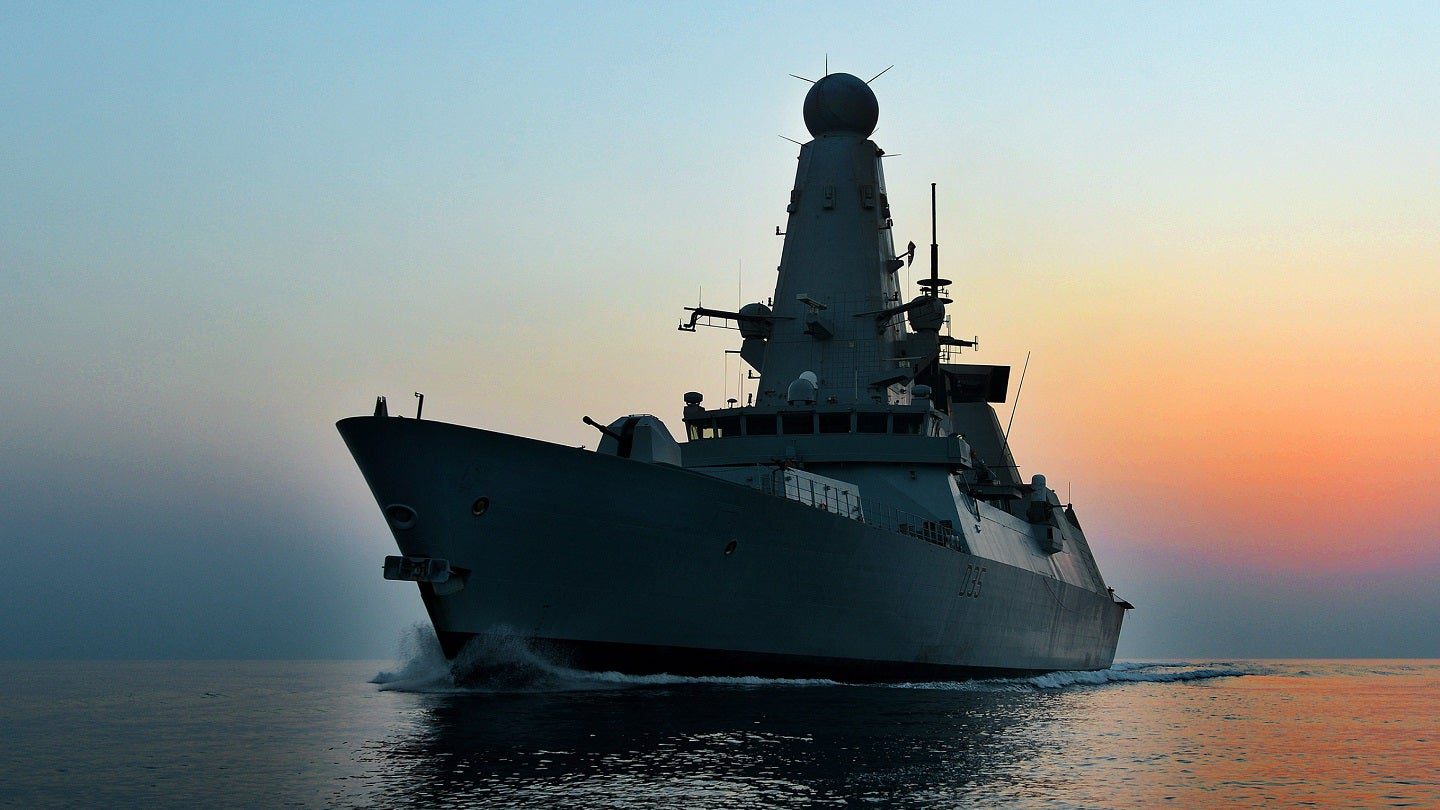
Why No Type 45 Destroyer for Cyprus? UK’s Strategic Dilemma
Recent drone attacks on UK military bases in Cyprus have sparked urgent questions about defense strategy. Despite the Royal Navy’s Type 45 destroyers being among the most advanced air defense ships in the world, none were deployed to the region ahead of escalating tensions. This article unpacks the UK’s decision-making process and the broader implications for naval readiness.
The Strategic Calculus Behind the Decision
The UK government assessed the threat from Iranian missiles and drones as insufficient to justify deploying a Type 45 destroyer to the Mediterranean. However, this calculation was challenged when an Iranian drone struck RAF Akrotiri in Cyprus. The incident exposed gaps in real-time air defense capabilities, raising concerns about the UK’s ability to protect overseas assets.
Capabilities of the Type 45 Destroyer
- Advanced radar systems for tracking airborne threats
- Missile interception capabilities
- Operational readiness for rapid deployment
Three of the six Type 45s are currently operational, with the remaining three undergoing maintenance. This leaves a narrow window for strategic deployments, yet no action was taken ahead of the US-Israeli strikes that triggered regional conflict.
Royal Navy’s Current Capabilities
The Royal Navy’s shrinking fleet has left it unable to maintain a consistent presence in critical regions. Operation Kipion, once a cornerstone of UK naval strategy in the Gulf, has been abandoned. No active ships remain in the region, and even decommissioned vessels like HMS Lancaster sit idle in Bahrain.
Missed Opportunities
Key assets that could have bolstered defense include:
- Type 23 frigates for maritime security
- Subsurface capabilities via Astute-class submarines
- Minehunting fleets for Strait of Hormuz operations
These gaps highlight a systemic underinvestment in naval infrastructure, leaving the UK vulnerable to asymmetric threats from Iran and its proxies.
Aftermath and Lessons Learned
Following the RAF Akrotiri strike, UK officials downplayed the damage, emphasizing “minimal” harm and “no casualties.” However, the incident underscores the need for proactive defense planning. The Royal Navy’s recent Exercise Sharpshooter, where HMS Duncan tested its air defense systems, arrived too late to address immediate threats.
Future Implications
The UK faces a stark choice: modernize its naval fleet to match emerging threats or risk further erosion of its global influence. With 300,000 UK nationals in the Middle East, the stakes for robust defense strategy are higher than ever.
Conclusion: A Call for Strategic Reassessment
The absence of a Type 45 destroyer in Cyprus reflects deeper challenges in UK defense planning. As regional tensions escalate, the Royal Navy must balance operational readiness with resource constraints. What steps can the UK take to close these gaps? Share your thoughts in the comments or explore our related articles on naval strategy and defense policy.
FAQs
Why wasn’t a Type 45 destroyer sent to Cyprus?
The UK government deemed the threat from Iranian missiles insufficient to justify deployment, a decision later questioned after a drone strike on RAF Akrotiri.
How many Type 45 destroyers are operational?
Three of the six Type 45 destroyers are currently available for operations, with the remaining three undergoing maintenance.
What alternatives exist for defending UK bases?
Options include leveraging Type 23 frigates, Astute-class submarines, and minehunting fleets, though these assets are currently underutilized.
What lessons can be learned from the RAF Akrotiri strike?
The incident highlights the need for real-time air defense systems and proactive deployment of naval assets in high-risk regions.
How is the Royal Navy addressing future threats?
Recent exercises like Sharpshooter test air defense capabilities, but long-term solutions require fleet modernization and strategic partnerships like AUKUS.








