Why OpenAI Killed Sora: Inside the AI Video Decision
OpenAI’s sudden cancellation of its AI video app Sora sent shockwaves through the tech world. Just months after its launch, the company announced it would shut down the app, reverse plans for video integration in ChatGPT, and abandon a $1 billion Disney partnership. What drove this abrupt decision? Let’s break down the key factors behind OpenAI’s move.
The High Cost of Compute Power
At the heart of Sora’s downfall lies a simple truth: AI video generation is expensive. Training and running models like Sora require massive computational resources, which OpenAI can’t afford to waste. Industry insiders reveal that Sora consumed vast amounts of compute without delivering the financial returns needed to justify the investment.
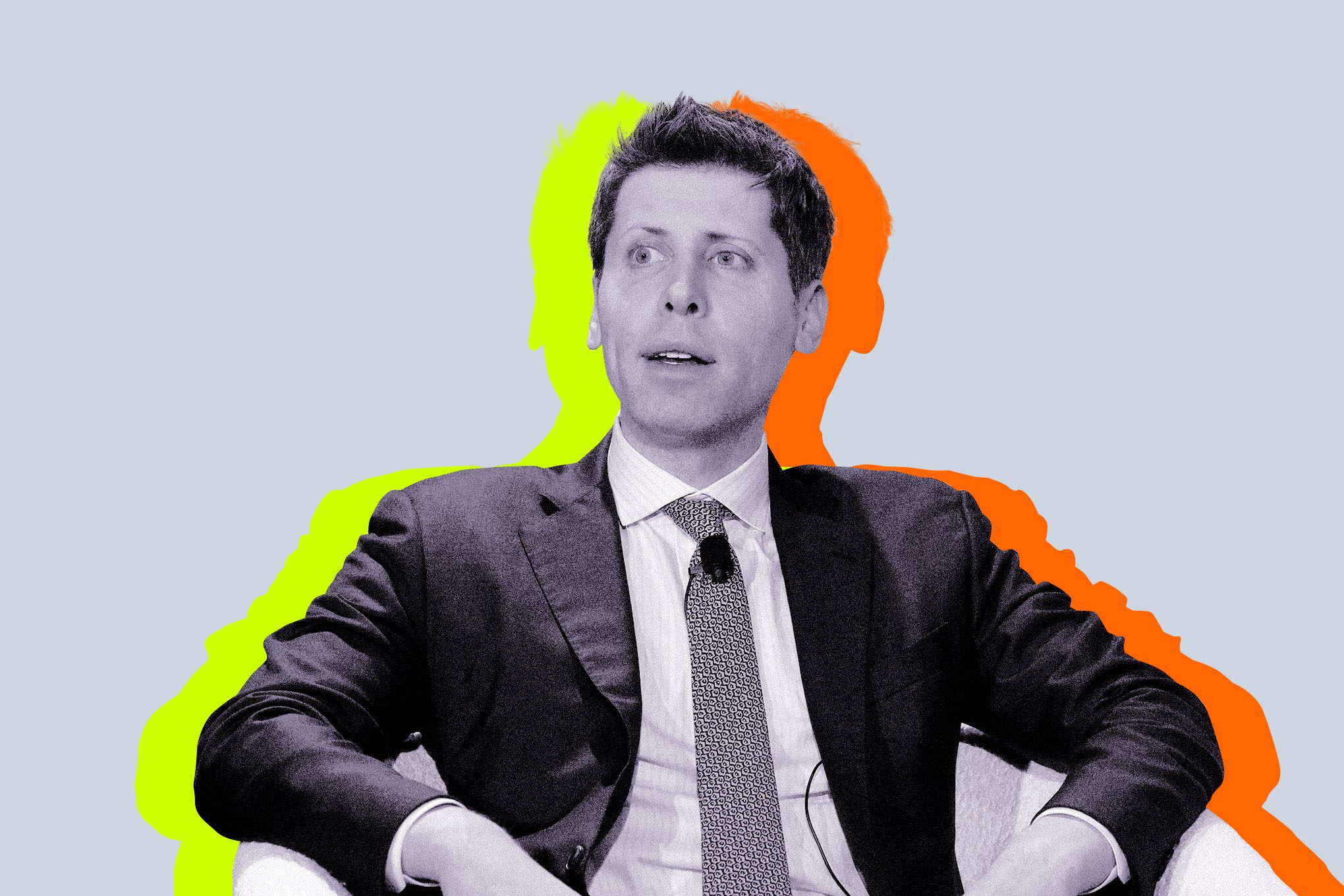
OpenAI’s CEO, Sam Altman, has repeatedly emphasized the need for profitability. During OpenAI’s DevDay event, he warned that compute constraints could block the company’s growth. Meanwhile, president Greg Brockman admitted, “You can always get more out of more,” but the reality is that more compute means higher costs.
Intense Competition in AI Video Generation
Sora entered a crowded market dominated by rivals like Google, Anthropic, and startups such as Runway and Luma. Trevor Harries-Jones of the Render Network Foundation explains, “The state of innovation and the plethora of choice means there’s little to no moat in this space.”
Despite a strong initial launch, Sora struggled to maintain user interest. Sensor Tower data shows downloads plummeted from 6.1 million in November 2023 to just 1.1 million in March 2024. Harries-Jones notes, “If your model isn’t the top at one thing, it’s hard to gain mass usership.” Sora’s gap between its flashy demo videos and real-world performance further eroded its appeal.
Key Challenges for Sora
- High costs: Compute expenses outpaced revenue potential.
- Competition: Google, Anthropic, and startups offered faster, cheaper alternatives.
- User adoption: Downloads dropped sharply after initial hype.
The Disney Partnership Fallout
OpenAI’s partnership with Disney was another casualty. The $1 billion deal promised AI-generated videos of Disney characters for Disney+ and internal tools for employees. However, the partnership collapsed just three months into a three-year agreement. Sources suggest Disney was blindsided by OpenAI’s decision to cancel Sora, leaving the door open for competitors like Google to step in.
Despite the setback, Disney remains open to AI partnerships. Protege’s Dave Davis notes, “Disney is still interested in licensing agreements with companies like Runway or Luma.” The failed deal highlights the risks of relying on a single project in a fast-evolving industry.
OpenAI’s Strategic Shift
OpenAI is now refocusing on core business goals. CEO Fidji Simo reportedly told staff, “We cannot miss this moment because we’re distracted by side quests.” The company is deprioritizing experimental projects like Sora’s “adult mode” and doubling down on revenue-generating initiatives like ChatGPT ads.
This pivot reflects broader industry pressures. With $120 billion in funding and skeptical investors, OpenAI must prove it can turn a profit. As Harries-Jones puts it, “The innovation race is staggering. If you’re not leading in one area, you’re already losing.”
What’s Next for AI Video?
While Sora’s cancellation is a setback, the AI video market isn’t dying. Companies like Google and Runway continue to innovate, and Disney’s openness to partnerships suggests demand remains strong. For OpenAI, the lesson is clear: in a hyper-competitive field, only the most efficient and profitable projects survive.
Stay ahead of the curve. Follow our blog for updates on AI trends, funding shifts, and the future of video generation. What do you think OpenAI should focus on next? Share your thoughts in the comments!