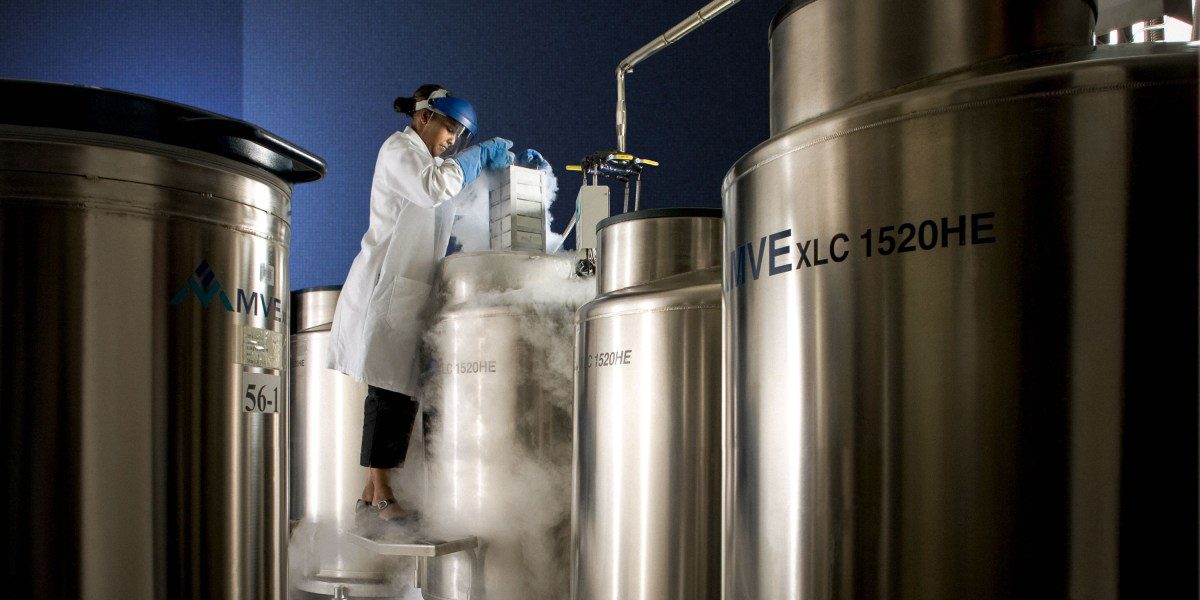
The Origins of Cryonics Preservation
In 1967, James Hiram Bedford became the first person to undergo cryonics preservation after dying of kidney cancer. His body was stored at -146°C by the Cryonics Society of California, a group led by a TV repairman with no scientific background. Today, Bedford’s body remains in storage at Alcor, a cryonics facility in Arizona. This marked the beginning of a controversial practice that now preserves around 5,000 to 6,000 people worldwide.
James Hiram Bedford’s Legacy
Bedford’s case set the stage for modern cryonics. The process involves using cryoprotective chemicals to prevent ice formation, which can damage tissues. While the science has evolved, the core idea remains: preserving biological material in hopes of future revival. Bedford’s body has been in storage for over 50 years, a testament to the long-term commitment required.
Why People Choose Cryonics
For many, cryonics preservation represents a gamble on medical progress. L. Stephen Coles, a gerontologist who died of pancreatic cancer in 2014, had his brain preserved at -146°C. He hoped future advancements might cure his disease. Similarly, cancer patients today might see cryonics as a last resort when modern medicine fails.
The Hope for Medical Advancements
Cancer death rates in the U.S. have declined since the 1990s, but for those facing terminal diagnoses, the future holds promise. Cryonics enthusiasts argue that breakthroughs in regenerative medicine or nanotechnology could one day restore preserved tissues. As Greg Fahy, a cryobiologist who studied Coles’ brain, notes, the preservation quality is “astonishingly well,” even if revival remains uncertain.
Philosophical and Existential Motivations
Some view cryonics as a way to defy aging itself. At events like Vitalist Bay, attendees discuss “obviating” death through science. A 2021 survey found that over a third of male respondents wanted to live indefinitely. For these individuals, cryonics preservation isn’t just about survival—it’s about transcending mortality.
The Cost and Practical Considerations
Cryonics preservation is expensive. Alcor charges $80,000 for brain storage and $220,000 for whole-body preservation. Companies like Tomorrow.Bio offer similar services, often requiring life insurance policies to cover costs. Despite these financial barriers, demand grows as more people see cryonics as an investment in their future.
Financial Barriers and Insurance Solutions
Emil Kendziorra, CEO of Tomorrow.Bio, reports 20–50 new signups monthly. Many use life insurance to fund preservation, treating it as a long-term bet. Critics argue the cost is prohibitive, but proponents see it as a small price for a chance at revival.
The Science and Skepticism
While cryonics facilities claim success in tissue preservation, revival remains unproven. Shannon Tessier, a cryobiologist, questions the ethics: “Would I want to wake up centuries later when my family is gone?” The scientific community remains divided, with some calling the practice dystopian.
Current Scientific Challenges
Even if tissues are preserved, reanimating a human requires solving complex biological and technological hurdles. Nick Llewellyn of Alcor admits the odds are “pretty low” but still signs up for brain preservation. For him, the possibility—no matter how slim—is worth the risk.
Philosophical and Ethical Debates
Cryonics raises tough questions about identity, consent, and societal impact. If revival becomes possible, who decides who gets to return? How would revived individuals adapt to a changed world? These dilemmas underscore the need for clear legal and ethical frameworks.
Conclusion: The Future of Cryonics
Cryonics preservation remains a niche but growing field. For some, it’s a last hope; for others, a philosophical stance against death. While science has yet to prove its viability, the allure of future revival keeps the dream alive. As research progresses, the line between science fiction and reality may blur.
Ready to explore the science of cryonics further? Dive into our latest biotech newsletter for insights on longevity, ethics, and the future of medicine.