
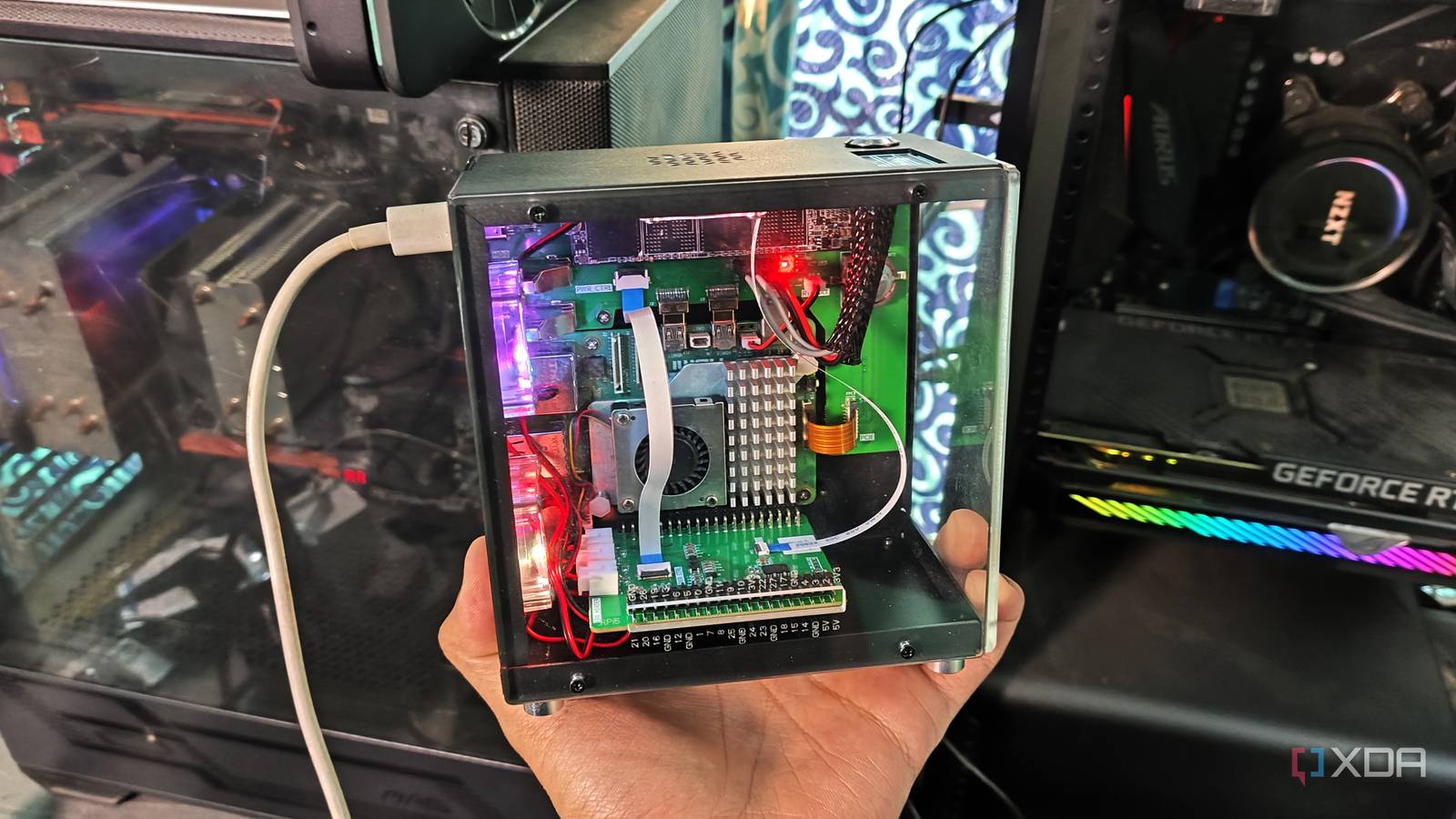
Why Raspberry Pi Isn’t a Desktop Replacement
When you first hear about the Raspberry Pi, it’s easy to assume it’s a budget-friendly alternative to a traditional desktop. However, this tiny computer isn’t designed for heavy workloads like video editing or gaming. Its hardware limitations—such as limited RAM, no dedicated GPU, and a single-core CPU—make it unsuitable for tasks requiring high performance. For example, running modern operating systems like Windows 11 or macOS on a Raspberry Pi often results in sluggish performance and compatibility issues.
Hardware Constraints
- 4GB RAM (upgradable but not ideal for multitasking)
- No discrete graphics card
- Single-core CPU with limited processing power
Software Limitations
Even with optimized software like Raspberry Pi OS, the device struggles with resource-heavy applications. Web browsing, office work, and basic coding are manageable, but anything beyond that pushes the Pi to its limits. This isn’t a flaw—it’s a design choice.
Why Raspberry Pi’s Limitations Make It Great
Here’s where the Raspberry Pi shines: simplicity. Its constraints force users to think creatively. Instead of replacing a desktop, it becomes a tool for learning, experimentation, and automation. For instance, hobbyists use it to build home servers, retro gaming setups, or IoT devices. Educators leverage it to teach programming and electronics without overwhelming students with complexity.
Perfect for DIY Projects
- Home automation hubs
- Media centers (Kodi, Plex)
- Network-attached storage (NAS) solutions
Cost-Effective Learning Tool
With a price tag under $40, the Raspberry Pi is ideal for beginners. It supports Python, Scratch, and other educational tools, making it a gateway to STEM fields. Its simplicity ensures users focus on coding and hardware integration rather than troubleshooting performance issues.
Conclusion: Embrace the Limitations
The Raspberry Pi isn’t a desktop replacement—it’s a catalyst for innovation. By accepting its constraints, you unlock endless possibilities in DIY, education, and automation. Ready to explore? Start with a simple project like a weather station or a retro gaming console. The Pi’s true power lies in what you can build, not what it can replace.
Call to Action
Grab a Raspberry Pi and dive into your next project. Share your creations in the comments below!








