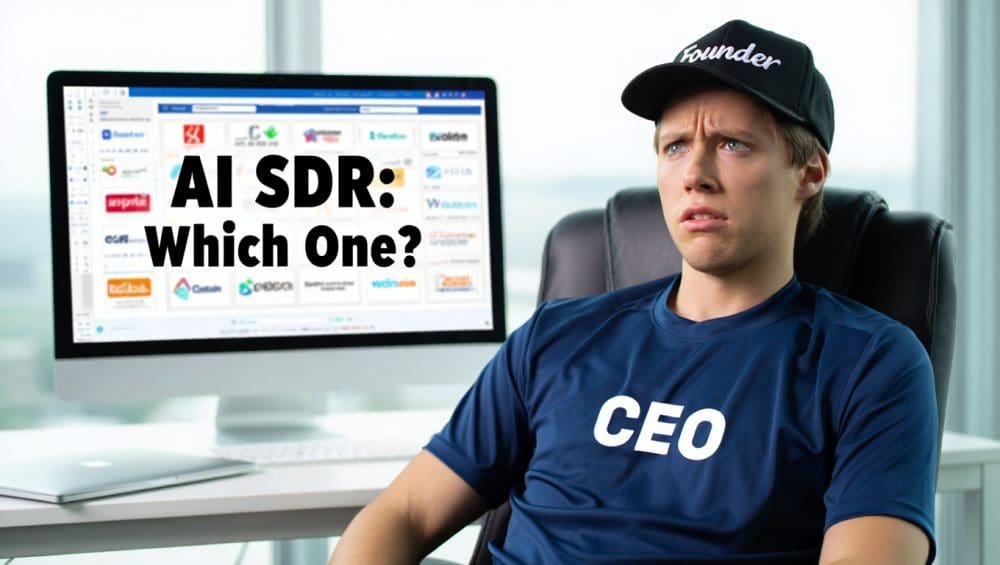
The AI Investment Surge and Its Exceptions
Billions of dollars are flowing into AI startups, but not all AI software-as-a-service (SaaS) companies are winning investor attention. While the tech world celebrates AI’s rise, venture capitalists are growing wary of certain trends. TechCrunch recently uncovered key red flags that signal when an AI SaaS startup is no longer investor-friendly.
Why Some AI SaaS Startups Fall Out of Favor
1. Overhyped AI Branding
Investors are tired of companies slapping “AI” onto their names just to ride the hype. A recent survey found 68% of VCs now question startups that rebrand without meaningful AI integration. Real value comes from solving specific problems, not just chasing buzzwords.
2. Lack of Differentiation
With over 10,000 AI startups launched in 2023 alone, standing out is critical. VCs look for clear competitive advantages—whether through proprietary data, unique algorithms, or exclusive partnerships. Generic AI tools with no clear edge rarely make the cut.
3. Poor Scalability
Many AI SaaS startups fail to prove their models can scale. Investors want to see evidence of repeatable revenue streams, efficient customer acquisition, and sustainable margins. Startups stuck in the “proof of concept” phase without a clear growth path struggle to attract funding.
What VCs Are Looking For Instead
- Real-World Impact: Startups solving tangible business problems (e.g., supply chain optimization, healthcare diagnostics) get more traction than those with vague AI promises.
- Sustainable Business Models: Investors favor companies with clear pricing strategies, customer retention metrics, and path to profitability.
- Strong Execution Teams: Founders with domain expertise and technical credibility consistently outperform those relying solely on AI hype.
Conclusion: Building an Investor-Ready AI SaaS
Success in AI SaaS requires more than just adding “AI” to your pitch. Focus on creating measurable value, building defensible advantages, and demonstrating scalable growth. For founders, this means prioritizing execution over buzzwords and proving your solution works in real markets.
Ready to Build a Fundable AI Startup?
Download our free AI Startup Checklist to identify and fix common investor red flags before seeking funding.