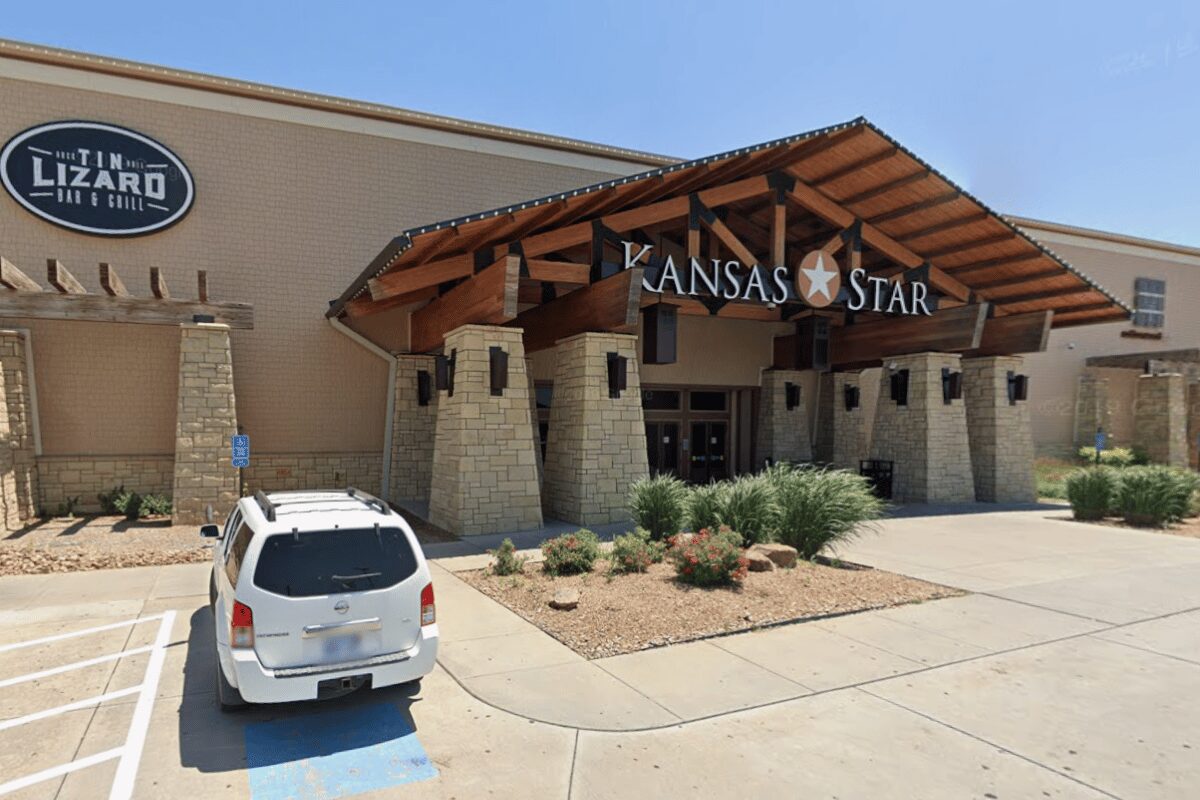
Wichita Man Faces Charges for Illegal Proxy Betting at Kansas Star Casino
A Wichita man has been arrested and charged for allegedly running an illegal proxy betting operation at the Kansas Star Casino in Mulvane, Kansas. The case, announced by Attorney General Kris W. Kobach, highlights the state’s strict stance on commercial gambling laws and the consequences of circumventing regulatory frameworks.
What Is Proxy Betting and Why Is It Illegal?
Proxy betting occurs when an individual places wagers on behalf of others, often for a fee or profit-sharing arrangement. Kansas law explicitly prohibits this practice, as it undermines the state’s oversight of gambling activities. By acting as an intermediary, proxy bettors bypass safeguards designed to ensure transparency and fairness in licensed casinos.
Key Details of the Case
- Quoc “Kevin” Phu Lam, 47, was arrested after an investigation by the Kansas Racing and Gaming Commission.
- Charges include two counts of commercial gambling, one count of unlawful wagering, and one count of solicitation to commit gambling offenses.
- Lam allegedly accepted money from coworkers and others to place bets on their behalf while employed at the casino.
- He attempted to recruit another employee to assist in collecting funds tied to the wagers.
Legal Implications and Kansas Gambling Laws
Kansas law restricts gambling activities to licensed facilities and prohibits any form of commercial betting outside these parameters. Proxy betting violates these rules by creating unregulated channels for wagering. The Kansas Racing and Gaming Commission emphasized that such actions threaten the integrity of state-sanctioned gambling operations.
Charges and Court Proceedings
Lam posted a $25,000 bond and is scheduled to appear in Sumner County District Court on March 12. If convicted, he could face significant fines and potential imprisonment. The case is being prosecuted by Assistant Attorney General Lauren Watson, who highlighted the importance of collaboration between law enforcement and regulatory agencies.
Why This Case Matters
The arrest underscores Kansas’s commitment to enforcing gambling regulations. By targeting proxy betting, authorities aim to prevent exploitation of loopholes and protect both consumers and licensed operators. The Attorney General’s office also encourages the public to report suspected violations to maintain compliance with state laws.
What This Means for Casino Operators
Casinos in Kansas must adhere to strict guidelines governing who can place bets and how transactions are conducted. Proxy betting disrupts these protocols, potentially enabling money laundering or other illicit activities. The case serves as a warning to employees and patrons about the legal risks of circumventing casino rules.
Conclusion and Call to Action
The Quoc Lam case illustrates the serious consequences of violating Kansas gambling laws. As the legal process unfolds, it also highlights the need for vigilance among casino staff and patrons. If you suspect proxy betting or other illegal gambling activities, report them to local authorities or the Kansas Racing and Gaming Commission.
FAQs
What is proxy betting in Kansas?
Proxy betting involves placing wagers for others in violation of state laws. Kansas prohibits this practice to maintain oversight of gambling activities and prevent unregulated betting.
What are the penalties for commercial gambling violations?
Penalties can include fines, imprisonment, and criminal records. The severity depends on the charges and whether the offense is classified as a felony or misdemeanor.
How does Kansas regulate casino operations?
Kansas allows gambling only in licensed facilities, with strict rules governing who can place bets and how transactions are processed. The Kansas Racing and Gaming Commission enforces these regulations.
Can I report suspected gambling violations anonymously?
Yes, the Kansas Attorney General’s office and the Racing and Gaming Commission accept anonymous tips to investigate potential violations of gambling laws.
Why is proxy betting considered a criminal offense?
Proxy betting undermines the state’s ability to monitor gambling activity, increasing risks of fraud, money laundering, and unfair practices. It also erodes trust in licensed casinos.