Wikipedia Bans AI-Generated Content: What You Need to Know
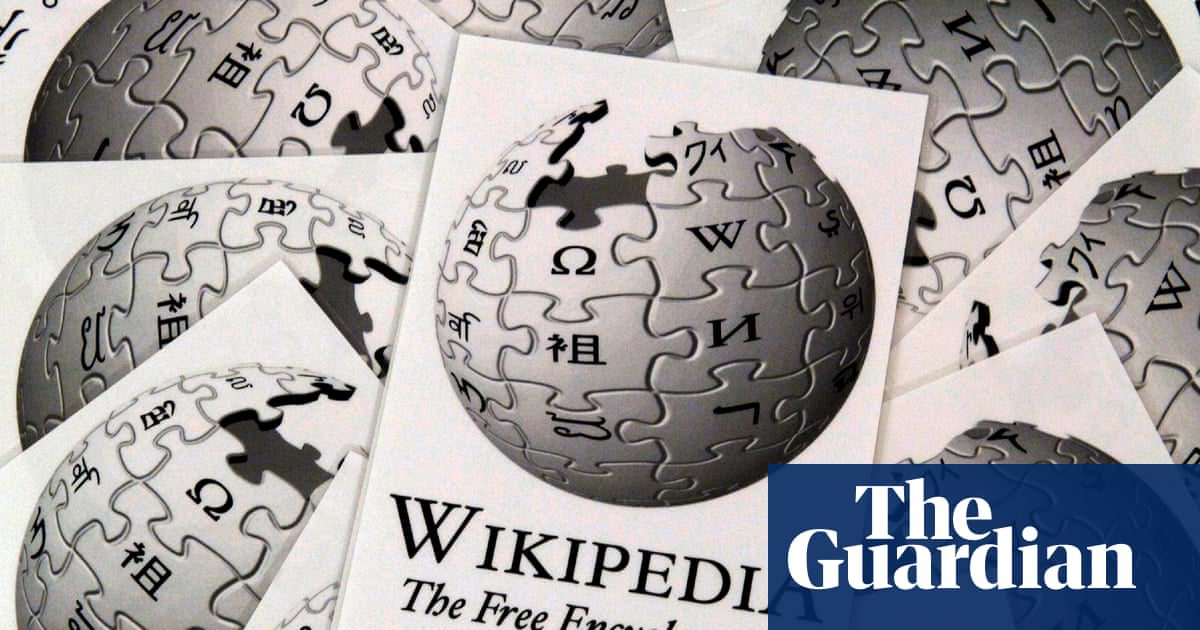
The English Wikipedia, home to over 7.1 million articles, has taken a firm stance against AI-generated content. In a recent policy update, the platform now prohibits the use of large language models (LLMs) for creating or rewriting articles. This decision, backed by a vote from volunteer editors, aims to preserve the integrity of one of the world’s most trusted knowledge sources.
Why Wikipedia Banned AI Content
Wikipedia’s new policy states that AI tools “often violate” its core principles of accuracy and reliability. While AI can generate text quickly, it risks introducing errors or “hallucinations”—unverified facts that mislead readers. Founder Jimmy Wales has previously called AI’s current state a “mess,” emphasizing that models aren’t yet reliable enough for critical tasks like article drafting.
Exceptions to the Ban
Not all AI use is off-limits. Wikipedia allows two specific applications:
- Translations: AI can assist in translating articles between languages.
- Minor Copy Edits: Editors may use AI for basic grammar fixes, provided changes are reviewed manually.
These exceptions ensure efficiency without compromising quality.
Community Support and Implications
The ban received strong backing from Wikipedia’s volunteer editor community. A 2026 vote confirmed the policy shift, reflecting concerns about AI’s growing role in content creation. Meanwhile, AI tools like ChatGPT have surpassed Wikipedia in monthly visits, highlighting the tension between innovation and accuracy.
Challenges of AI in Knowledge Platforms
AI’s limitations are clear. For example, LLMs may alter text in unintended ways, even when users request simple edits. Wikipedia’s policy warns that “LLMs can go beyond what you ask of them,” risking factual inconsistencies. This aligns with broader industry critiques, as tech companies integrate AI into search and email tools while grappling with its reliability.
What This Means for the Future
While Wikipedia’s ban is strict, it leaves room for future collaboration. Founder Jimmy Wales acknowledged AI could eventually aid Wikipedia, but not in the “short run.” He noted, “The latest models are still nowhere near good enough” for tasks requiring precision.
Key Takeaways for Users
Here’s what to remember:
- AI-generated articles will no longer appear on Wikipedia.
- Manual review remains essential for any AI-assisted edits.
- Transparency about AI use is critical for maintaining trust.
This policy sets a precedent for balancing technology and human expertise in knowledge-sharing.
Conclusion: A Step Toward Trustworthy Knowledge
Wikipedia’s AI ban underscores a commitment to accuracy in an era of rapid technological change. By restricting AI to specific, low-risk tasks, the platform safeguards its reputation as a reliable resource. As AI evolves, the debate over its role in content creation will continue—but for now, human oversight remains non-negotiable.
Share your thoughts: Do you agree with Wikipedia’s decision? Let us know in the comments!